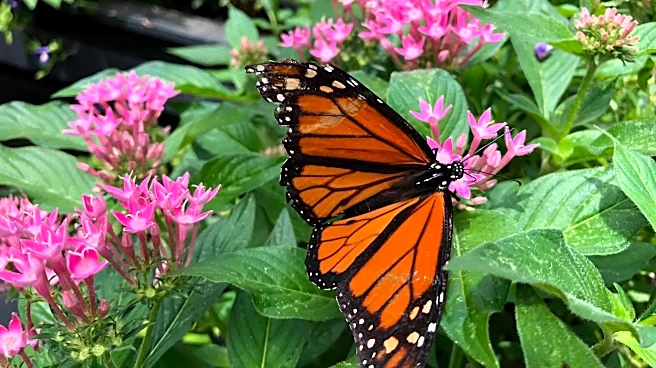









Birds aren't the only animals flying south for the winter. Georgians are sure to see plenty of iconic orange-and-black Monarch butterflies soon, if they haven't already.
Here's what we know as they flap their way to warmer regions for the winter:
When is fall Monarch migration season?
AccuWeather said the migration starts in August from southern Canada and northern United States. They typically peak across the upper parts of the South between late September and early October. The Monarchs should reach their final destination between late October and November.
@tedtoks When monarch butterflies migrate, they produce one of the most iconic wildlife spectacles in the world — and provide us with an important indicator of ecological health, says photographer Jaime Rojo. In his TED Talk, he tells a story
about our relationship to the natural world, shares his experience photographing these mesmerizing insects and dives into the latest research into the mysteries of their multi-thousand-mile journey. Visit the 🔗 in our ☣️ to learn more.
♬ original sound - TED Talks - TED Talks
Where do Monarchs migrate?
Monarchs are heading to the Gulf Coast and central Mexico.
What butterflies are native to Georgia?
Including the Monarch, Georgia Wildlife says this is the home of more than 160 species of butterfly. Here are a few of them:
- Red Admiral
- Summer Azure
- Cloudless Sulphur
- Pipevine Swallowtail
- Eastern Tiger
- Red-Spotted Purple
- Fritillaries
How many legs does a butterfly have?
Butterflies have sex legs, just like all other insects.
What do butterflies eat?
Butterflies eat nectar from plants using a long, straw-like tube called a proboscis. If you want to attract Monarchs, the State Botanical Garden of Georgia recommends planting native milkweed species, the only plants that support monarch caterpillars and nectar-producing native plants that provide food for the adult butterfly. Do not have common, tropical, or scarlet milkweeds in your garden. Instead, try growing these species:
- Whorled Milkweed
- Clasping Milkweed
- Butterfly Weed
- Red-ring Milkweed
Here are some other tips from UGA:
- Participate in a citizen science project like Project Monarch Health, Journey North, Monarch Watch, or Monarch Larva Monitoring Project.
- Don't try to raise butterflies in captivity. See a caterpillar? Leave it alone.
- Stop using or at least try to reduce your use of insecticides, especially neonicotinoids.
Miguel Legoas is a Deep South Connect Team Reporter for USA Today. Find him on Instagram @miguelegoas and email at mlegoas@gannett.com.
This article originally appeared on Savannah Morning News: When do Monarch butterflies fly south? Fall visitors coming to Georgia