





This coverage is made possible through a partnership between WABE and Grist, a nonprofit environmental media organization.
The Okefenokee Swamp in southeast Georgia is now a UNESCO World Heritage site, just the 27th such site in the US and the first natural site in the country to be added in three decades. It’s Georgia’s first World Heritage site.
“For generations, Georgians have enjoyed all that the Okefenokee National Wildlife Refuge has to offer as a valued natural treasure,” said Governor Brian Kemp in a statement. “An important part of our state's heritage and economy, this is a fitting recognition for the Okefenokee that will further strengthen rural communities that surround it.”
The UNESCO World Heritage list includes both cultural sites
like Independence Hall and the Statue of Liberty and natural sites like the Grand Canyon, Yellowstone National Park, and the Great Barrier Reef. Those are unique landscapes, said Georgia Rivers executive director Rena Peck, and so is the Okefenokee.

“It is the largest, most naturally functioning blackwater wetland in these parts,” she said. “So it is globally recognized as a place like no other.”
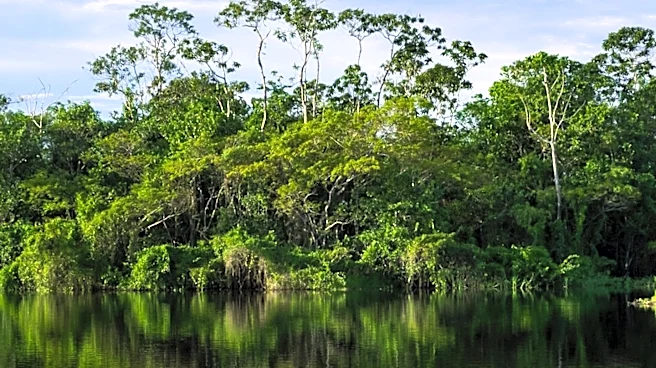
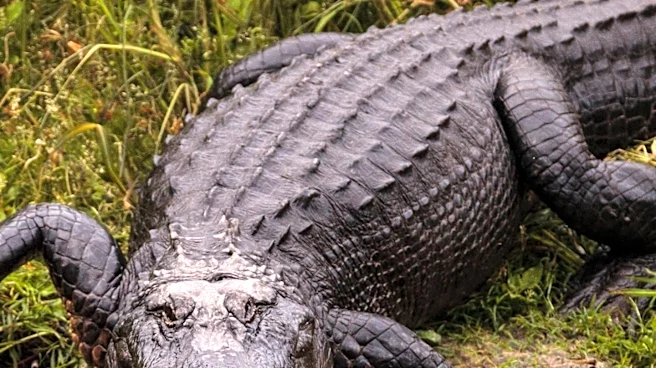
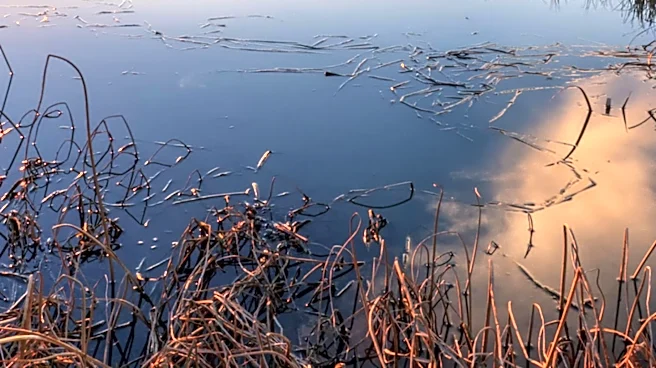
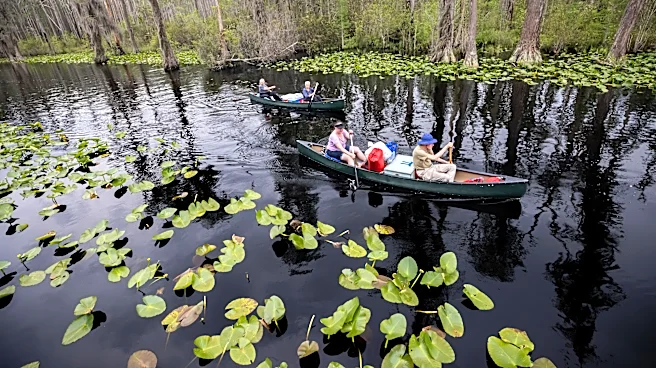
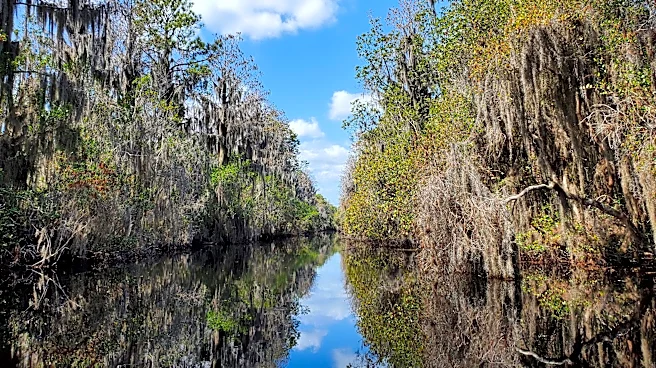
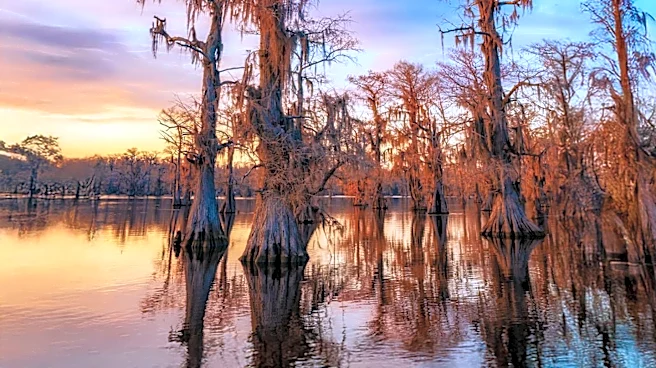
The Okefenokee is a 438,000-acre wetland, the largest intact ecosystem of its kind in North America. Home to alligators, longleaf pine and cypress trees, and some of the starriest night skies in the country, it’s been a beloved destination and place of spiritual connection for people in the area for thousands of years. It’s an important ancestral site for the Muskogean people – the name derives from a Muskogean phrase for “water shaking” – and a popular place to paddle, camp, and commune with nature.
UNESCO recognition could bring more visitors from around the world to the swamp and the small communities that surround it. One study by the Conservation Fund estimated visitorship could double over the next decade with the boost of World Heritage designation.
“That's good for our community,” said Kim Bednarek, executive director of Okefenokee Swamp Park. “It's having an extra family come in, stay at a local lodge, camp, eat at a local restaurant, rent a canoe or a kayak.”
All of those visitor activities translate to money in the local economy. Swamp tourism supports $79 million in economic output for the counties surrounding it, according to the Conservation Fund report. That could grow to more than $140 million.
The Okefenokee has drawn attention in recent years because of a proposal to mine for heavy minerals nearby that many worried could harm the swamp. Activists worked for years to stop the plan, pushing for state-level legislation to block the mine or others like it, and trying to get companies to promise not to buy the mined material.
Ultimately, the Conservation Fund negotiated a deal to buy the property. The group plans to transfer about half of it to the Georgia Department of Natural Resources to become a state wildlife management area, and half to eventually become part of the federal Okefenokee National Wildlife Refuge. Georgia DNR approved the first phase of the land purchase earlier this month.
The UNESCO designation doesn’t add any protections for the Okefenokee. But Bednarek and Peck said it could get more people invested in preserving the swamp.
“In order for the public to want to conserve a place, they have to know about a place and understand it and see its value,” Bednarek said.
This article originally appeared on Savannah Morning News: Okefenokee Swamp earns prestigious UNESCO status