





In 1966, the federal government passed the National Historic Preservation Act (NHPA), approving landmark legislation that codified and structured America’s historic preservation movement, underscoring the importance of protecting our nation’s history. The federal government also created a clear process, known as Section 106, that requires federal agencies to review and mitigate potential negative impacts of federally funded projects on historic resources.
The National Historic Preservation Act created a promise to save the places that are important to our nation’s history and provided the structure for the federal government to engage with state and local partners and to provide the resources necessary to document that history, so that it may
be shared, understood, and appreciated. Through the National Historic Preservation Act, we have been able to save, renovate, and repurpose America’s historic places while documenting the history of communities across the country. Section 106 is often used to identify this history and these places, providing important information to add sites to the National Register, utilize historic tax credits, support local communities, and learn from our shared past. It does not stop projects.
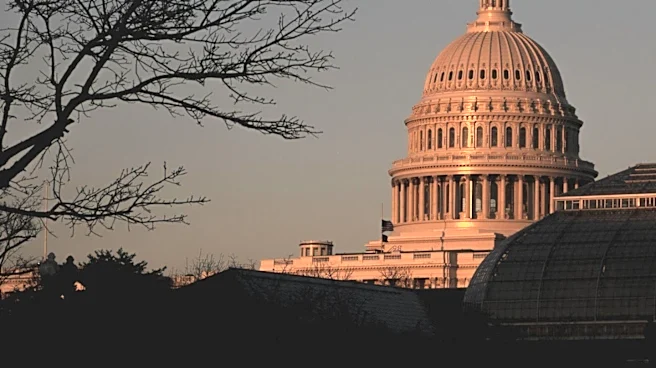
The National Historic Preservation Act also created the Advisory Council for Historic Preservation (ACHP), an independent agency charged with advising the president and Congress on preservation policy. This summer, the Advisory Council for Historic Preservation set out to rewrite the rules around Section 106 in an effort to streamline the review process to accelerate federal projects.
On July 17th, the ACHP issued troubling revisions to Section 106 that drastically change how federal government agencies and their partners evaluate historic places as well as the impacts they face from federal projects. If implemented, these new rules would dramatically diminish the effectiveness of the NHPA as well as the current legal protections for historic and cultural places.

Currently, federal agencies work with state and local partners to evaluate the history of places, understand the potential impacts of federal investment, and then mitigate those impacts together through various projects like resource surveys, oral history projects, or public history exhibits. With these latest rule changes, state and local partners are cut out of the process, giving federal agencies unilateral authority to evaluate and mitigate impacts. State and local partners would no longer have the right to be notified or the opportunity to comment when federal agencies propose to damage or destroy historic places within their jurisdiction.
The recent changes also restrict the type of projects that require Section 106 review to those directly administered by federal agencies, excluding projects and programs administered by state and local agencies, like housing authorities. In the past, Section 106 required agencies to evaluate the historic resources in a project area and engage the public through partnership with state and local groups, revealing countless stories and places that would have been lost to time had it not been for this collaborative process. The latest Section 106 rule changes remove local participation, centralize decision-making within federal agencies, and ultimately threaten local communities’ opportunity to learn about and preserve their history.
The Advisory Council for Historic Preservation approved these rule changes on July 24th, and they are now being reviewed before being posted for public comment. That doesn’t mean we have to wait. There are several things you can do right now.
First, inform yourself. The National Trust for Historic Preservation, the National Council for State Historic Preservation Offices, and Georgia Trust for Historic Preservation all have specific details about these changes and their potential impacts. I encourage you to visit their websites to learn more.
Second, email Buddy Carter, our congressional representative, as well as Sens. Raphael Warnock and John Ossoff, and ask them to work through legislative processes to block these changes and preserve coastal Georgia’s history. Lastly, be prepared to leave a public comment once the opportunity is open.
If Section 106 changes are implemented, historic sites in Savannah could be threatened by federal development, with no state or local recourse. We can’t stand on the sidelines and allow the federal government to break the promise it made in 1966 through the National Historic Preservation Act. We need to speak up now to protect Savannah’s remarkable legacy of preservation and to preserve America’s rich history for future generations.
− Collier Neeley is the president and CEO of Historic Savannah Foundation.
This article originally appeared on Savannah Morning News: Savannah preservation advocates warn about Section 106 changes | Opinion