






The proposed $20 billion OpenAI data center planned for Effingham County has sparked concerns over secrecy, environmental impacts and utility costs, forcing Georgia's top Senate contenders to stake out competing positions on how such projects should be approved.
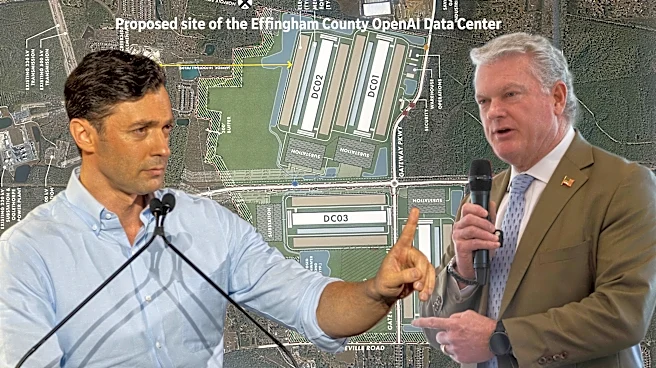
Dubbed “Project Camellia,” the data center is set to go online beginning in 2028 with phased development completed in 2032. The proposed 1,400 acre facility will be located just outside of Rincon, Ga. at the Savannah Gateway Industrial Hub — a 30-minute drive from downtown Savannah.
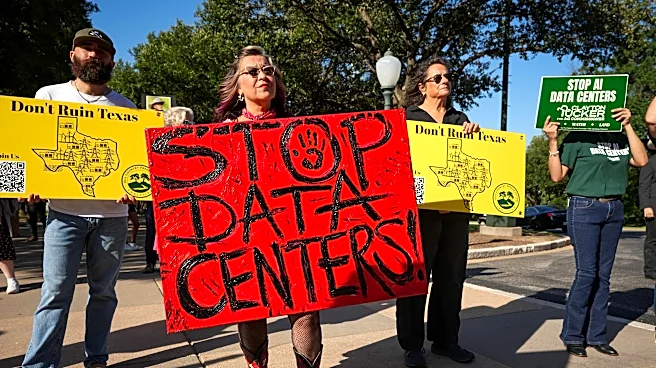
Since the partnership between Effingham County and OpenAI was announced to the public in late July without prior public comment or vote, residents have voiced their concern about anticipated impacts to water
quality, higher power bills and noise pollution.

Rep. Mike Collins (R-Ga.) said the decision should ultimately be left to local officials and residents, arguing that data centers are necessary to keep the U.S. competitive with China.
“I trust our communities to make sure the tax and job benefits for Georgians far outweigh any costs,” Collins said in a texted statement to the Savannah Morning News following repeated requests for in-person or over-the-phone interviews.
Sen. Jon Ossoff (D-Ga.) told SMN during an in-person interview on Aug. 14 that while he had not tracked the specific nature of the negotiation in Effingham County, he believes that the public deserves transparency.
“These should be decisions that communities make in the full visibility of the impacted resident, and the government should be open,” he said.
In April, Ossoff said in a release that his office was opening an investigation into AI data centers’ impact on rising power bills in Georgia and nationwide.
According to a study by the American Edge Project, a policy advocacy group, Georgia has seen $4.6 billion invested across AI-related venture capital since 2019. And Ossoff said in the release that during the same time period, Georgians are suffering from rising power bills.
“We’ve got to make sure that families and small businesses are not facing yet more inflation of their power bills as a result of these data centers,” Ossoff said during the interview.
OpenAI has said it will pay upfront for the energy and electrical-grid infrastructure associated with the project, according to a release by the Savannah Area Chamber of Commerce.

Projects such as Project Camellia are not expected to increase residential customers’ electric bills under Georgia Public Service Commission rules, the release further stated.
“The big tech companies have to be held accountable. We have to ensure that it’s not families and small businesses paying skyrocketing power bills to subsidize these data centers” Ossoff said during the interview.
Collins agrees, stating the importance of ensuring Georgians “aren’t footing the bill for these projects and that our water and infrastructure are secure.”
Project Camellia still faces regulatory hurdles
In a statement, OpenAI — owners and operators of ChatGPT — said Georgia families will not subsidize this project. Instead, the project will be one of the first data centers designed to proactively reduce its power consumption before residential customers are impacted during periods of high demand.
But the Southern Alliance for Clean Energy questions OpenAI, stating that the public does not know if they'll have to foot the bill for the additional power the data center will utilize.

Project Camellia has met initial requirements such as the zoning approval for the data center, but additional administrative review is required by county staff and state agencies. The county still needs to set the terms for how it will provide water and sewer to the site, approve the site plan and apply for a Land Disturbance Application.
On Aug. 26, the Georgia Public Service Commission approved a contract allowing Georgia Power to supply 3.2-gigawatts of power — akin to 2 million homes — to the data center in Effingham County.
While Collins argues local governments are best positioned to weigh the costs and benefits of major AI developments, Ossoff says communities deserve greater transparency before deals of this scale move forward, underscoring the growing debate over how Georgia should manage the rapid expansion of data centers.
Ansley Franco is a reporter with the Savannah Morning News, covering public safety and general assignments. You can reach her at AFranco@gannett.com.
This article originally appeared on Savannah Morning News: Ossoff and Collins weigh in on proposed data center | Exclusive