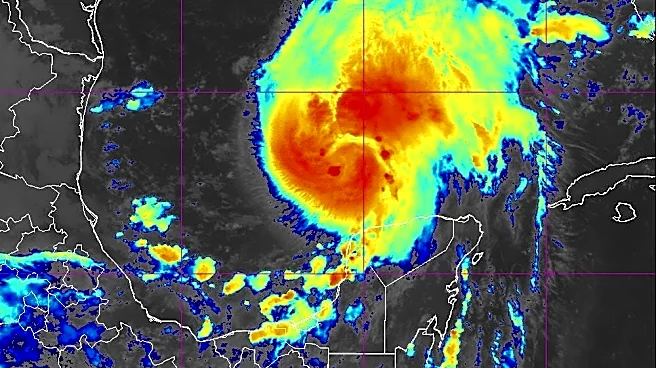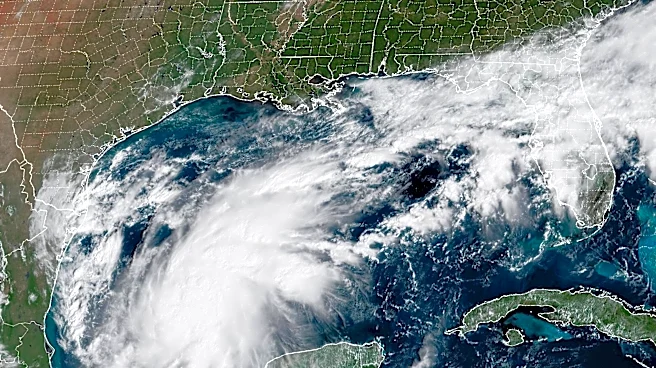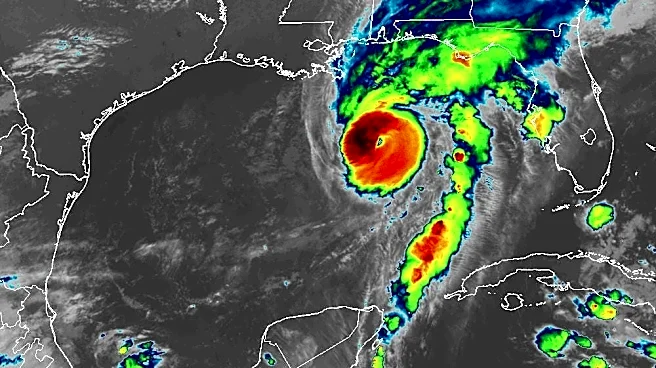





Gov. Brian Kemp has declared a statewide state of emergencyahead of Hurricane Isaias, but what does that actually mean for Georgians?
Kemp issued the declaration Thursday for all 159 Georgia counties as the state prepares for potential impacts from Isaias.
The governor's office said the order allows emergency management teams to make necessary arrangements and position resources ahead of the storm.
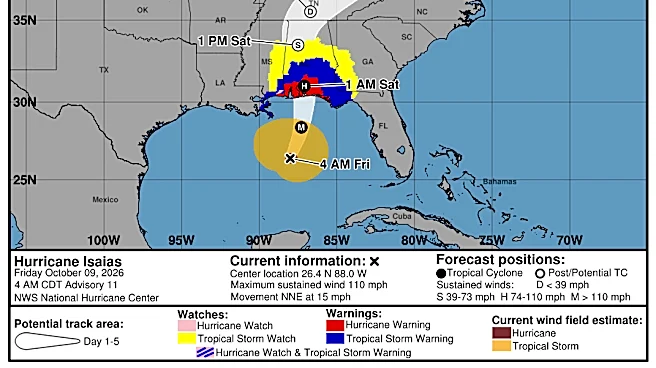
The declaration comes as Georgia prepares for heavy rain, strong winds, possible tornadoes and flooding beginning Friday night and continuing into Saturday.
Here's what a state of emergency means, and what it doesn't necessarily mean, ahead of Isaias.
What does a state of emergency mean?
Georgia law allows the governor to declare a state of emergency when an actual or impending emergency or disaster
affects the state.

Under state law, a declaration activates the emergency and disaster response and recovery portions of applicable state and local plans. It also provides authority for the deployment and use of forces covered by those plans, as well as the use or distribution of emergency supplies, equipment, materials and facilities.
For Isaias, Kemp's office said the executive order allows emergency management teams to make necessary arrangements and position needed resources ahead of the storm's impact.
Does a state of emergency mean Georgia is shutting down?
Not necessarily.
A statewide state of emergency does not automatically mean every business, school, road or government operation in Georgia must close.
The specific executive order and any additional orders from state or local officials determine what actions are required as conditions develop.
Georgia law does give the governor broad emergency powers while a state of emergency is in effect. Those powers can include using available state and local government resources, transferring personnel or functions of state agencies to facilitate emergency services and, when necessary, directing evacuations or controlling movement in a disaster area.
That does not mean all of those powers are automatically being used simply because a state of emergency has been declared.
Can the governor order an evacuation?
Georgia law allows the governor to direct and compel an evacuation from a threatened area when the governor determines it is necessary to protect life or mitigate a disaster. The law also allows the governor to prescribe evacuation routes, transportation methods and destinations.
However, the state of emergency itself is not the same thing as a statewide evacuation order.
Georgians should continue watching for instructions from state and local emergency officials if conditions change.
What happens to Georgia's emergency response?
Kemp has directed the Georgia Emergency Management and Homeland Security Agency, or GEMA/HS, to activate the State Operations Center beginning Friday afternoon.
GEMA/HS is the state's emergency management agency and works with local, state and federal partners during emergencies.
The agency's emergency operations plan uses different activation levels depending on the scope of an event.
A Level 1 activation is the agency's full activation, with emergency support functions and appropriate state and volunteer agency coordinators staffing the State Operations Center.
How long does a state of emergency last?
Under Georgia law, a state of emergency continues until the governor determines that the threat or danger has passed or the emergency conditions no longer exist.
A state of emergency generally cannot continue for more than 30 days unless the governor renews it. The Georgia General Assembly can also terminate a state of emergency by concurrent resolution.
For Isaias, the governor's office has declared the emergency for the entire state as preparations begin ahead of the storm.
What should Georgians do now?
The state declaration is primarily about preparedness and response, but residents still need to prepare themselves.
Kemp's office is encouraging Georgians to take the storm seriously and have necessities such as food, batteries, flashlights and water available ahead of the expected impacts Friday night through Saturday.
Georgia officials are also warning residents about flooding and downed power lines. GEMA/HS advises people not to drive or walk through standing water or around barricades and to stay away from downed power lines.
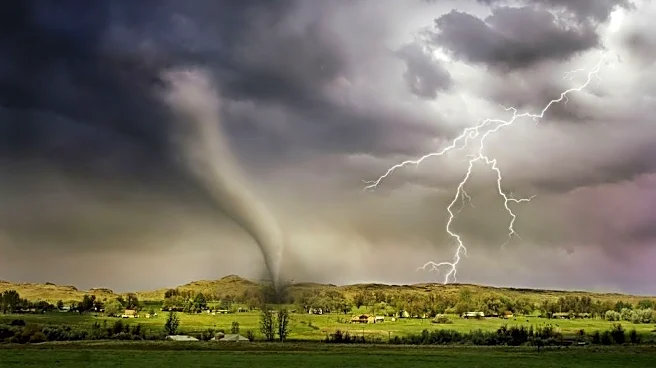
If a tornado warning is issued and an underground shelter is unavailable, GEMA/HS recommends moving to a small, windowless interior room or hallway on the lowest floor possible.
The state of emergency is ultimately a tool for Georgia officials to prepare, coordinate and respond to the storm. Residents should continue monitoring forecasts and follow any instructions issued by local emergency officials as Isaias approaches.
Vanessa Johns is the Trending Topics Reporter for the Deep South Connect Team Georgia, covering food and entertainment. Email her at Vcountryman@gannett.com.
This article originally appeared on Savannah Morning News: What is a state of emergency? What to know ahead of Hurricane Isaias in GA