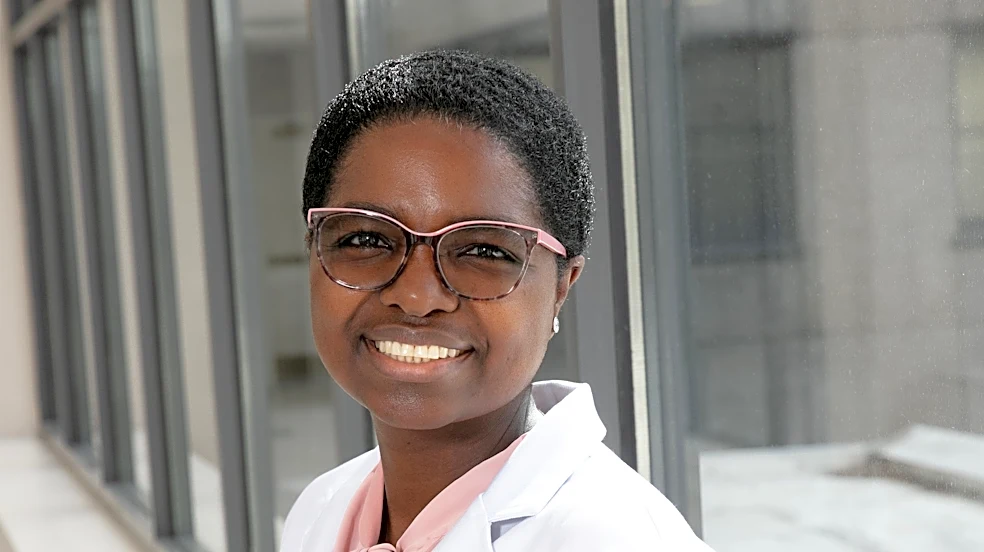








Throughout October, St. Joseph’s/Candler’s PAINT THE TOWN PINK breast cancer awareness campaign has cast a vibrant glow across Savannah, highlighting the life-changing power of early detection. But for patients facing a new diagnosis, the focus shifts from prevention to healing and survivorship. As a medical oncologist, I am excited to share that the landscape of breast cancer care has changed significantly in the last decade. We are now in an era of precision medicine that offers patients a future filled with hope.
Receiving a breast cancer diagnosis is an instantly overwhelming experience. No matter how strong a person is, just hearing the word “cancer” can bring a wave of profound anxiety. But I can also assure my patients of this: today’s
breast cancer care is highly individualized, exceptionally effective and intentionally designed to preserve your quality of life.

In the past, breast cancer was generally treated with a radical mastectomy and chemotherapy. Now, there is no longer a one-size-fits-all protocol. Treatment paths are dictated by the cancer's stage and its specific genetic biomarkers. Every tumor is tested for three distinct receptors: estrogen, progesterone, and HER2. Knowing these markers allows us to chart precise avenues of care, often sparing patients from harsher systemic treatments.
For patients with hormone receptor-positive cancers, advanced genomic tools like Oncotype or MammaPrint analyze the tumor’s specific genes to determine if chemotherapy is even necessary. Many low-risk patients can safely bypass chemotherapy and move straight to surgery, radiation and a hormone-blocking pill.
Even the subtypes that were considered the most dangerous have met their match. For instance, HER2-positive breast cancers once carried an exceptionally high risk of early recurrence. The discovery of anti-HER2 targeted therapies revolutionized this prognosis, bringing high-risk patients down to a lower risk profile and extending their life expectancy. Similarly, patients with triple-negative breast cancer—those whose tumors test negative for all three receptors and are historically the most aggressive—have seen a fundamental shift in survival, thanks to the recent introduction of immunotherapy regimens.
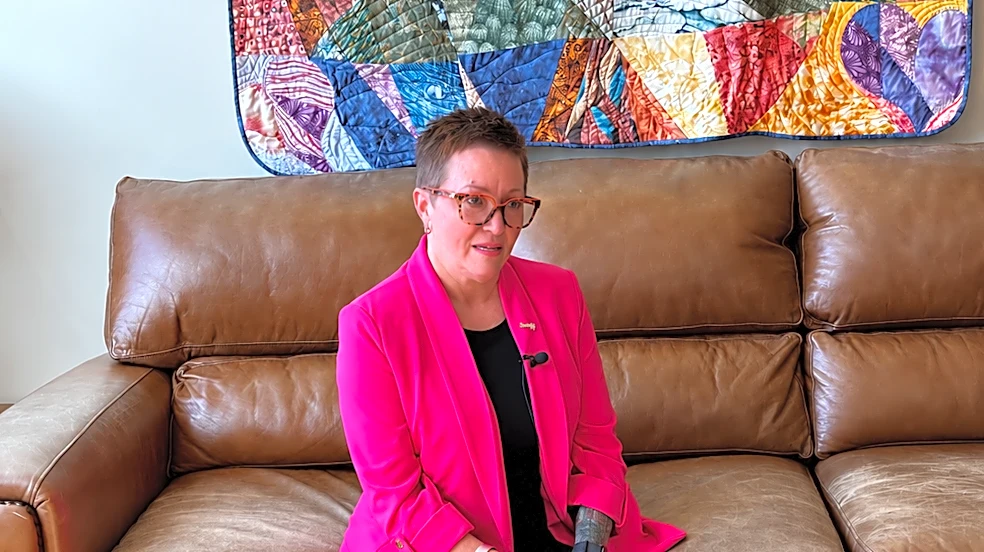
 Paint the Town Pink awareness campaign." id="92152730007">
Perhaps the most profound transformation has occurred in the management of Stage 4 metastatic disease. In the past, a metastatic diagnosis meant immediate, high-dose chemotherapy. Today, for many women with hormone-receptor-positive, HER2-negative metastatic cancer, the standard of care has shifted to two oral medications rather than systemic infusions. This regimen pairs an endocrine therapy, such as anastrozole or letrozole, with a CDK 4/6 inhibitor like Ibrance, Kisqali, or Verzenio. Under these protocols, we are seeing metastatic patients living well past the five, eight, or ten-year mark, and they have the energy to work, raise families and fully enjoy their lives.
Because certain aggressive subtypes are more frequently diagnosed in specific ethnic groups, including African-American women, taking an active role in your own medical journey is a vital component of today’s care. Patients should feel empowered to ask their medical team to break down their genomic reports, ensuring they understand why a specific treatment path is recommended for them.
My colleagues and I understand that guidelines established in large clinical trials need to be tailored to the patient in front of us. We routinely adjust starting dosages based on a patient's unique body type and tolerance, sometimes lowering an initial dose by 20 percent to mitigate side effects without sacrificing efficacy. The ultimate objective is to cure or control the disease while patients maintain their overall physical and emotional wellbeing.
Early detection of breast cancer can help us treat the disease more effectively, leading to less aggressive treatments and improved outcomes. That’s the message that St. Joseph’s/Candler has been sharing through the PAINT THE TOWN PINK campaign for the past 19 years. Annual mammograms starting at age 40—or earlier based on unique personal risk factors, breast density, and family history—remain the gold standard. While the screening process can be physically uncomfortable, it only lasts a brief moment. The result can bring you peace of mind and, in some cases, it could save your life.
This article originally appeared on Savannah Morning News: New precision medicine offers hope for breast cancer | Opinion