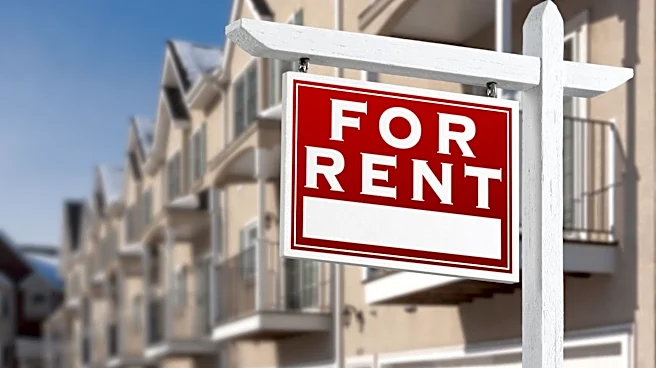








For Georgia renters, a lease renewal can sometimes come with a significantlyhigher monthly payment. But while the state does not have a statewidecap on how much rent can increase, landlords still have to follow certain rules.
According to a 2026 report from Hemlane, Georgia does not have statewide rent-control laws limiting how much a landlord can raise rent.
That means there is generally no set percentage or dollar amount that a landlord is prohibited from charging when a lease is renewed.
Here's what to know.
So, can rent be raised by any amount?
Generally, Georgia landlords have broad flexibility to set a new rental price when a lease term ends. Hemlane notes that Georgia law does not establish a statewide maximum increase from one year to the next.

However, that does not mean a landlord
can simply change the rent whenever they want.
A landlord generally cannot raise the rent in the middle of a fixed-term lease.
If a tenant signed a six-month or one-year agreement at a specific rental rate, that rate remains in effect for the duration of the lease unless the agreement itself allows otherwise.
How much notice does a landlord have to give?
According to Hemlane's summary of Georgia's rules, the required notice depends on the rental agreement.
- Month-to-month rental agreements: 60 days' written notice of a rent increase.
- Six- to 12-month lease agreements: Six months' notice before raising the rent.
The notice should be provided in writing and identify the new rental amount and when it will take effect.
There are still limits on rent increases
Although Georgia does not impose a statewide cap, landlords cannot use rent increases as a form of retaliation against tenants, according to Hemlane.
For example, a landlord cannot raise a tenant's rent simply because the tenant filed a complaint or requested necessary repairs. Rent increases also cannot be discriminatory under applicable fair-housing laws.
What if you can't afford the new rent?
Tenants don't have to agree to a proposed increase. If a landlord raises the rent for a new lease term and the tenant does not want to pay the higher amount, the tenant can choose not to renew and move when the current lease expires.
A tenant can also try negotiating with the landlord. Hemlane recommends communicating early and potentially asking for a smaller increase or another arrangement.
Importantly, rejecting a proposed increase does not by itself allow a landlord to immediately evict a tenant who is still within the current lease term and complying with its terms.
A landlord must follow Georgia's formal eviction process if an eviction becomes necessary.
For the full report, visit hemlane.com/resources/georgia-rent-control-laws.
Vanessa Johns is the Trending Topics Reporter for the Deep South Connect Team Georgia, covering food and entertainment. Email her at Vcountryman@gannett.com.
This article originally appeared on Savannah Morning News: Can Georgia have rent-control laws? When can landlords raise your rent?