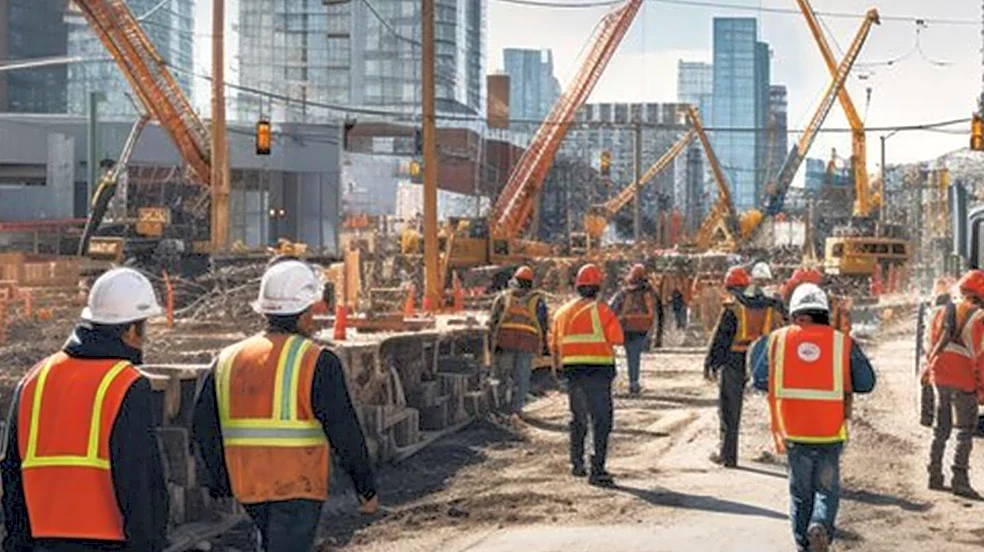





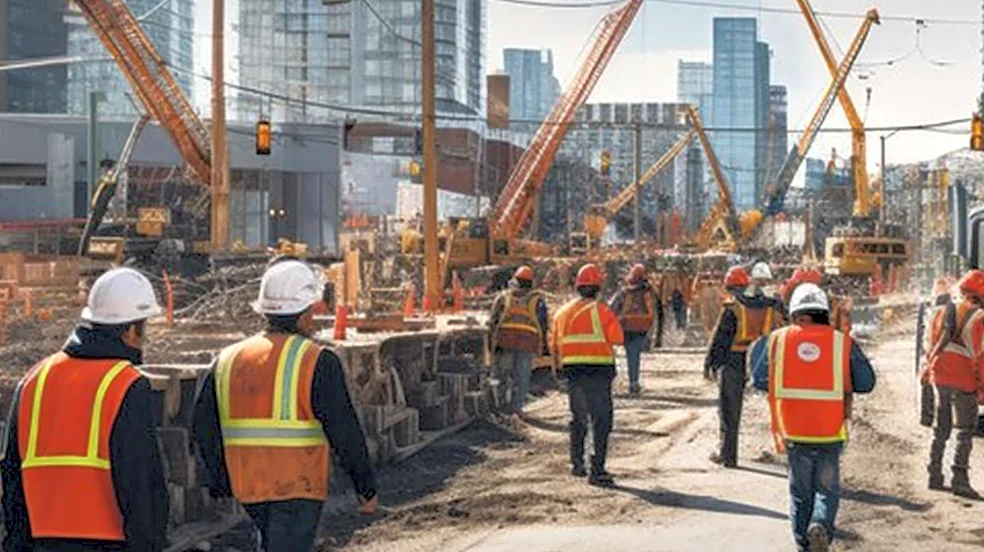

Construction fencing wrapped around the Dr. Martin Luther King Jr. Arena is as symbolic as it is practical.
It keeps passersby safe from the construction zone but it also signals change: the arena is coming down. But the Savannah green tarp hung along the fence tells an even deeper story.
It reads "Savannah Civic Legacy."
Such is the name the City of Savannah has given its redevelopment project at the civic center, a nod to the significance of the site and the opportunities ahead. Demolition of the arena will open 4 acres in the heart of downtown for development.
Yet the civic center is just one of three areas in the heart of the city slated for major change.
Blocks away across Martin Luther King Jr. Boulevard is the newly dubbed “Railroad District,”
drawing its name from the site's previous use as a train depot. Just northwest, on downtown’s outskirts and adjacent to numerous historic Black neighborhoods, is the Canal District anchored by Enmarket Arena.
The future of each area is explored in economic and land-use reports by city staff and consultants considering what development could better support a vibrant and livable city core. The reports were published by the city in September, culminating roughly two years of planning and community engagement.
“We took this as an opportunity to engage experts and bring some synergy together,” said Savannah City Manager Jay Melder.

Across the three projects, the city has conducted more than a dozen community engagement events over the past two years. Those events and related online surveys resulted in thousands of public comments from residents.
The events often featured visual aids showing potential development scenarios for resident consideration. They also provided opportunities for residents to articulate their values or specific desires for each district.
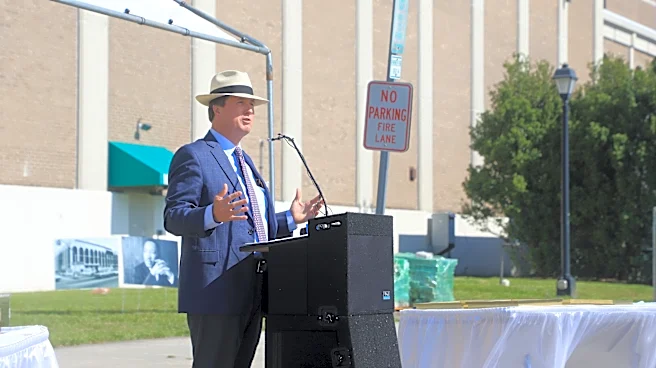
One consistent presence at the events was urban planner and city consultant Christian Sottile, principal at Sottile & Sottile.
He led presentations on the history of each area within Savannah’s broader story, showing how sites such as the civic center and Canal District came to be as they are today. His presentation eventually arrived at a map with three regions of Savannah’s downtown and western outskirts, each circled with borders touching.
The map made a point: The areas are connected.
That connection has been central to the city's approach in considering the future of each site. The city's project teams conducted the land-use and market analyses concurrently, along with the public engagement.
Melder said the concurrent planning allows the city to consider how it can fit all of the pieces of each district together. No one district has to “be everything at one time,” he said.
“The ability to look at all three really increases the opportunity in each district,” he said.

The reports, available for public viewing, synthesize the public engagement and economic study. For each site, they weigh what is economically feasible against what the community has signaled it wants or needs.
Melder said those reports contain critical information but do not represent final plans or the city's only way forward. Ultimately, the information will help city council make decisions about land use, project sequencing and development strategy in each district.
“(Having that information) is extremely helpful,” said Savannah Mayor Van Johnson at a September press briefing. “Ultimately people don’t realize land use determines development, so here is an opportunity for the city to really determine what is able to go in these places forever.”
While the city and its consultants conducted public engagement and developed the reports, work was underway to set the stage for larger decisions.
At the Civic Center, the city is tearing down the arena for restoration of multiple blocks of the original Oglethorpe Plan. Both actions are the result of a 2024 city council-approved resolution outlining the vision for the site’s future.
The Canal District already has its major anchor in Enmarket Arena, and the city began a $10 million construction project this year to stabilize the Water Works Building. The work follows years of deferred maintenance and will set the stage for a council decision on the building’s future uses.
Some residents perceive Savannah as a city that develops plans only to have them sit on a shelf. For example, the Canal District Master Plan adopted by council last year was originally developed in 2019.
Melder said he recognizes that planning is only one piece of the puzzle. Execution is another. And now may be as good a time as any to put that planning to work, he said.
For one, funding has already been designated for some projects. The Water Works redevelopment is supported by $20 million in hotel/motel tax money. The Civic Center redevelopment has $25 million from the Special Purpose Local Option Sales Tax 8 referendum approved by voters last year.
Then, there is the synergy of analyzing all three projects at once.
“What might make this opportunity a little more significant is we’re in a period of the city’s growth and development where we may have the resources, partnerships and interest to make some movement on the plans,” Melder said.
Evan Lasseter is the City of Savannah and Chatham County government reporter for the Savannah Morning News. You can reach him at ELasseter@savannahnow.com.
This article originally appeared on Savannah Morning News: Savannah takes coordinated approach on major projects | Exclusive