






The Chatham County Board of Commissioners unanimously approved an amended short-term rental ordinance Friday, creating new STR districts in the unincorporated area with license caps in each.
The new STR districts touch over 60 neighborhoods based on the Chatham County Police Response Neighborhoods. The ordinance caps the STR use at 5% of the residential properties within each district.
The changes also institute new noise restrictions and transparency requirements such as two points of contact being listed on the license. County officials have said the changes are aimed at increasing safety and accountability with STRs in the unincorporated area.
“There have been issues with specific residential neighborhoods where we have commercial owners renting
out these properties and there is no accountability,” said Assistant County Attorney Andre Pretorius. “We can’t reach them, we can’t cite them, we can’t find them.”

The commissioners’ approval of the changes followed a self-imposed moratorium on new STR licenses in July. The moratorium was approved to allow county staff extended time to draft new regulations, according to reporting by the Savannah Morning News.
The county had been considering changes to the ordinance since April of this year, when the county held a public meeting on the subject. The item was continued throughout the summer after community concerns about how new restrictions could impact some residents’ STR businesses.
The work on proposed changes also followed a high-profile public safety event involving an STR in September 2025. The incident entailed an STR party on Whitfield Avenue resulting in gunshots fired into a neighboring home.
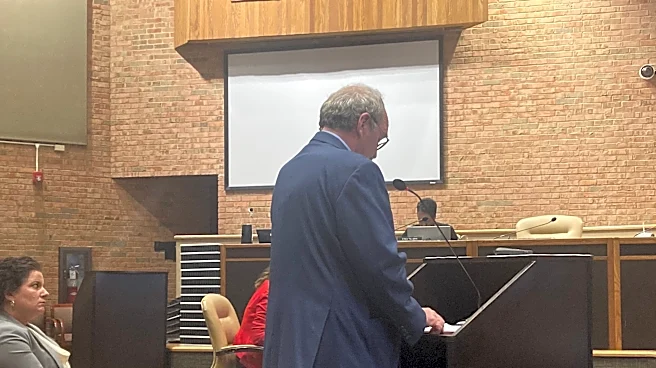
Some residents voiced their concerns with disruptive STRs at Friday's meeting.
Chatham County resident Diana Grahame said about 10% of the houses on her street are STRs, which can be “really disruptive to say the least,” she said. Grahame supported the ordinance approved by commissioners’ Friday.
“These changes will be a step in the right direction, and the residents of this county, including myself, are depending on you to protect the deep investments we have made in our neighborhoods and our homes,” she said.
Despite the proposed changes first surfacing with community meetings in April, the county’s proposal was continued throughout the summer. The item’s continuance allowed county staff to respond to some concerns that new restrictions would harm residents who operate STRs as a business.
The creation of the districts and percentage caps were a revision to the county’s original proposal, but still drew some concern from some STR-operating residents.
“If this current proposed ordinance passes, the reduction of short-term rentals will inevitably lead to a significant increase in unmonitored, undesirable, poorly maintained long-term rentals, lowering property values and worsening code enforcement challenges in the community,” said resident Ken Elwood in an opposition letter.
District 7 Commissioner Dean Kicklighter said he is open to having to tweak the ordinance in the future, admitting it may not be perfect. The county first passed its STR ordinance in 2020, and Kicklighter said Friday’s meeting was an example of having to tweak the original proposal.
“We’re just simply trying to strike a balance between residents and business owners,” Kicklighter said.
Evan Lasseter is the City of Savannah and Chatham County government reporter for the Savannah Morning News. You can reach him at ELasseter@savannahnow.com.
This article originally appeared on Savannah Morning News: Chatham County institutes new short-term rental regulations