





Georgiais home to an estimated 250,000 alligators, and while the reptiles are most common in the southern part of the state, there are several places where visitors have a better chance of spotting one.
From the Okefenokee Swamp to large lakes and coastal islands, Georgia's wetlands provide the warm, shallow waters and surrounding habitat alligators need.
The Georgia Department of Natural Resources considers the American alligator a fully recovered species in the state. DNR estimates the state's population at about 250,000, although the agency notes that accurately counting alligators can be difficult because their habitat is spread across a large area and their visibility varies.
Here are eight Georgia locations known for their alligator populations,
according to World Atlas.
Okefenokee Swamp
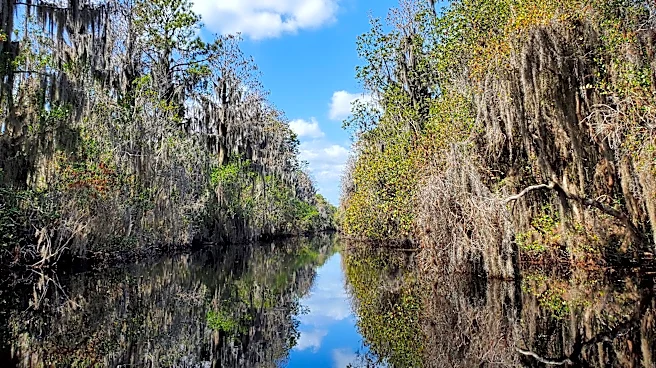
The Okefenokee Swamp is one of Georgia's best-known places to see an alligator.

The enormous wetland covers nearly half a million acres in southeastern Georgia and provides extensive habitat for the reptiles. An estimated 15,000 alligators are found throughout the swamp, according to WorldAtlas.
Much of the swamp is protected within the Okefenokee National Wildlife Refuge, where alligator hunting is prohibited except in a small designated area.
For visitors, the swamp's waterways offer opportunities to see alligators in their natural habitat.
Jekyll Island
Jekyll Island may be better known for its beaches and coastal scenery, but it is also home to a significant alligator population.

WorldAtlas reported that an estimated 115 alligators longer than 4 feet lived on the island as of 2024.
Alligator hunting is prohibited on Jekyll Island, and the reptiles can sometimes be seen around ponds and other freshwater areas.
Harris Neck National Wildlife Refuge
Harris Neck National Wildlife Refuge, located along Georgia's coast north of Jekyll Island, is another place where visitors may encounter large alligators.

The refuge encompasses roughly 2,800 acres of coastal habitat, including ponds and wetlands where alligators can be found.
The area has also produced sightings of particularly large reptiles, including a roughly 13-foot alligator photographed from the air in 2004, according to WorldAtlas.
Lake Seminole
Lake Seminole sits along the Georgia-Florida border and is known for producing large alligators.

The reservoir has a long history of trophy-size catches, including a nearly 14-foot alligator that was harvested there in 2013.
Lake Seminole also remains one of the state's notable locations for alligator hunting. Georgia's alligator harvest is managed through a quota system, with selected hunters receiving permits for designated zones.
Little St. Simons Island
Little St. Simons Island is another coastal Georgia location where alligators thrive.

The largely undeveloped island contains freshwater ponds and wetlands that provide habitat for the reptiles.
One of its best-known alligators is a roughly 13-foot animal nicknamed Norm, which has become associated with a pond on the island.
Phinizy Swamp
Just outside Augusta, Phinizy Swamp provides another habitat for Georgia alligators.

The Phinizy Swamp Wildlife Management Area covers approximately 1,500 acres, while the nearby Phinizy Swamp Nature Park protects another portion of the wetland.
Park officials have warned visitors not to feed or approach alligators. Feeding wild alligators can cause them to associate people with food and lose their natural fear of humans.
Walter F. George Lake
Walter F. George Lake, also known as Lake Eufaula, sits along the Georgia-Alabama border and is particularly well known for large alligators.
The lake produced Georgia's longest recorded hunter-harvested alligator: a 14-foot, 1.75-inch animal caught in 2019, according to WorldAtlas.
The area is designated as Georgia's Alligator Zone 1A and has a higher minimum legal harvest length than most other zones.
Skidaway Island
Skidaway Island near Savannah is another Georgia location with a notable alligator population.
The island's network of freshwater ponds and lagoons provides habitat for alligators, although encounters between people and the reptiles can become dangerous when animals are fed or approached.

Georgia DNR records show that alligator attacks on humans are rare. WorldAtlas cited nine reported attacks statewide between 1980 and July 2023, including one fatal attack on Skidaway Island.
When is alligator hunting season in Georgia?
Georgia's alligator hunting program is managed through a limited quota system. Hunters must apply for a quota hunt and be selected before receiving an alligator harvest permit.
The 2026-27 Georgia Hunting and Fishing Regulations list the alligator season as running from Aug. 15 at sunset through Oct. 6 at sunrise, with harvest limited to hunters with the appropriate permit.

Harvested alligators also must be reported through Georgia Game Check within 24 hours.
For anyone hoping to see an alligator rather than hunt one, Georgia's wetlands, lakes and coastal habitats offer plenty of opportunities, but wildlife officials advise keeping a safe distance and never feeding or approaching wild alligators.
For the full report, visit worldatlas.com/places/8-most-alligator-filled-places-in-georgia-s22y26.html.
Vanessa Johns is the Trending Topics Reporter for the Deep South Connect Team Georgia, covering food and entertainment. Email her at Vcountryman@gannett.com.
This article originally appeared on Savannah Morning News: Where do the most alligators live in Georgia? See the 8 hotspots