








This story was originally published byThe Imprint, a national nonprofit news outlet covering child welfare and youth justice. Sign up for The Imprint’s free newslettershere.
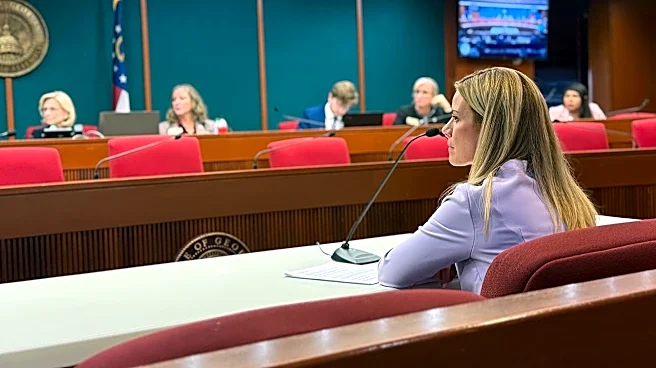
The head of Georgia’s child welfare agency testified Tuesday in the sentencing of a 16-year-old who will spend the rest of his life in prison for a mass school shooting — detailing a case she has personally attended to while the teen has been locked up.
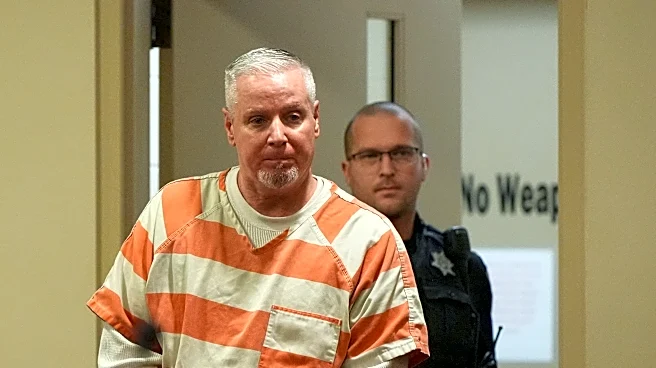
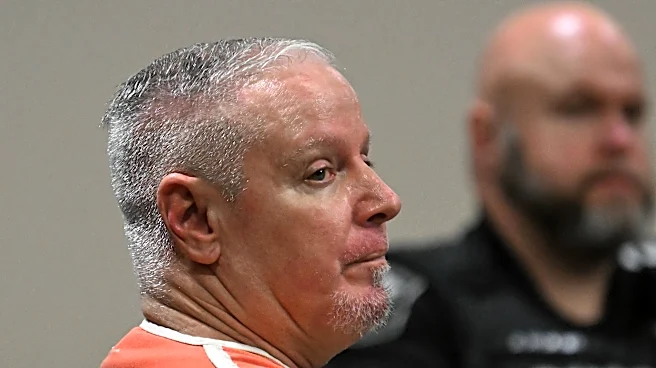
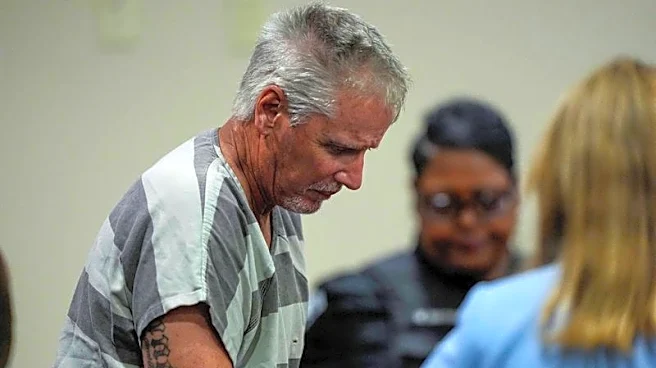
Judge Nicholas Primm handed down a sentence of life without parole, following three days of hearings in a Barrow County courtroom that revealed a troubled family home.
Colt Gray, 16, was charged as an adult and locked up in a juvenile facility while awaiting sentencing. Last week, he pleaded guilty to shooting and killing two
teachers and two students with an assault-style rifle on Sept. 4, 2024 at Apalachee High School. Nine others were injured in the mass shooting that terrified this rural, middle-class community in the greater Atlanta region.
At Tuesday’s sentencing, Primm acknowledged that Gray was failed by his family and greater society, “but that failure does not absolve you,” he told the teenager in court.
Candice Broce, director of Georgia’s Division of Family and Children Services, underscored those failures. Testifying for the defense, she described a long history of abuse and turbulence in Gray’s family and upbringing.
Since 2021, child welfare staff in multiple Georgia counties have substantiated more than 20 allegations of child abuse and neglect, she said. Broce described a pattern of truancy, physical and verbal abuse, substance abuse, domestic violence, as well as inadequate food, shelter, supervision and medical care.
Since his arrest, Broce said she has personally taken on case manager duties for the teen due to the situation’s “complexity.” Those duties have included visiting Gray in person and interviewing family members and clinical and educational staff who knew him.
Gray’s brother and sister are also currently in the department’s custody, she added, but other CPS staff are handling their care.
His father, Colin, is incarcerated on second-degree murder, involuntary manslaughter and child cruelty charges related to the shooting. He was convicted by a jury in March on charges that he gave his son the murder weapon. That case marks the first time in Georgia history, and the second time in U.S. history, that the parent of a school shooting suspect has been charged in connection with that crime, according to the Georgia Bureau of Investigation.
Gray’s mother Marcee has been barred from visiting or speaking with him in prison.
Broce described the harm caused by both Gray’s mother and his father. She said juvenile detention staff felt that Gray’s mother had been “fueling” his obsession with school shooters and derailing his progress in custody. After limiting contact with his mother and starting medication, she added, staff reported that Colt had become “essentially a different child.”
Broce said Gray personally expressed to her how much he misses his mother, but she added, “I don’t think it’s in his best interest for her to have contact.”
Gray’s maternal grandmother Deborah Polhamus has received limited legal authority, according to Broce’s testimony. But the child welfare case examining the circumstances of his home life is still ongoing.
Polhamus testified that her grandson would spend long stretches of his childhood with her, and called his parents “completely dysfunctional.”
The history of the mass shooting tragedy
On Friday, July 24, Gray pleaded guilty to 55 charges, avoiding a trial that was scheduled to take place in October. Because he was 14 at the time of the shooting, he is not eligible for the death penalty.
His victims include two 14-year-old students — Mason Schermerhorn and Christian Angulo — along with Richard “Ricky” Aspinwall, 39, and Cristina Irimie, 53. All four died in the 41-second attack on Apalachee High School.
Prior to Gray’s final sentence being handed down by Primm, Broce answered questions from Gray’s attorney W. Charlton Allen and Barrow County District Attorney Brad Smith.
She said the first report CPS received about the child was in August 2021, which alleged that the sixth-grader had searched “how to kill your dad” on a school computer. Later that year, Broce added, another report alleged that Gray’s mother slapped him and caused a swollen lip. But child welfare staff could not substantiate this due to “contradictory” accounts from the children.
In October 2023, Colin Gray was awarded custody of Gray and his two siblings due to their mother’s failed drug screens and corroborated abuse allegations. Colt “was the target of her ire,” Broce said.
But her department closed the case, believing the family was safe because they hadn’t received additional reports.
In October 2025, while incarcerated after the shooting, Gray was placed into “emergency custody” by a Barrow County juvenile court judge based on concerns that his mother was violating a court’s no-contact order with her son.
Broce also revealed insight into the teenager’s mental and physical history. She said she found no evidence that Gray had ever undergone a psychological evaluation before entering juvenile detention. Further, he appeared to have no health care history outside of one pediatric checkup as a child. She noted that the “complete absence” of such care is unusual — even for children in the most struggling families.
Broce said therapy referrals were part of the family’s case plans in the past, but they never complied.
Gray underwent comprehensive medical exams in juvenile custody, where he described longstanding mental health issues such as suicidal ideation, self-harm and family history of schizophrenia, she said. Broce testified that he was given various diagnoses that changed over time, from generalized anxiety to posttraumatic stress disorder to “social cognitive disorder.”
The prosecutor and Broce debated Gray’s clinical history. Smith said mental health experts testified that Colt was “malingering” — meaning faking or exaggerating symptoms. Broce said she thought that was no longer the case, but that she is limited to her own records.
These days, Gray’s grandmother visits him weekly in lockup. She told the court on Tuesday that she believes he can be rehabilitated with the right mental health treatment.
But she also blames herself.
Polhamus said she previously failed to secure the help her grandson needed, and for that, she added, “I’m probably the most guilty of all.”
This article originally appeared on Savannah Morning News: State welfare director details failures before teen shooter gets life