




Savannah is set to receive more than $2 million from state and federal grants to improve stormwater drainage in the city. Along with the city’s new stormwater utility fee, the funds will support efforts to alleviate chronic flooding.
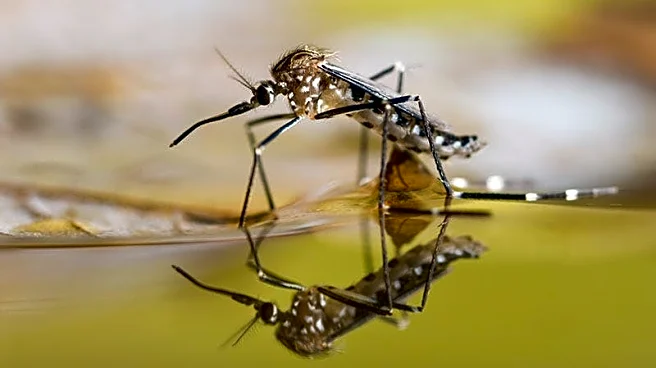
Eliminating standing water around the city could also result in fewer mosquitoes, particularly those that carry diseases like West Nile Virus.
Savannah’s downtown, historic and Victorian districts tend to see the highest numbers of mosquitoes testing positive for West Nile Virus, according to the Chatham County Mosquito Control Department. That’s because stormwater infrastructure in those areas is much older and tends to trap water, which then attracts mosquitoes. Catch basins in older stormwater drains have a “lip”
that is designed to catch garbage and other debris and keep it from flowing into local waterways. But that lip also holds water, creating a perfect breeding zone for mosquitoes. Older stormwater infrastructure also degrades over time, creating uneven spots where water starts to pool.
“The older the infrastructure, the more West Nile Virus we typically see in that area,” said Ture Carlson, director of the Chatham County Mosquito Control Department.
Carlson anticipates that the grant funding for Savannah’s Stormwater Master Plan will contribute to long-term fixes to the city’s drainage system, helping water flow more easily through it.

“Anytime you can make an improvement to drainage, that is the first step [to] long-term mosquito control,” he said. “Move water, make drainage better, every effort helps.”
In 2024, Savannahians witnessed the correlation between more floodwaters and higher numbers of disease-carrying mosquitoes. Standing waters left over from Hurricane Debby contributed to a massive spike in mosquitoes testing positive for West Nile Virus in Chatham County. The Mosquito Control Department detected 218 pools of up to 50 mosquitos infected with the virus, the largest number ever recorded in the county to this date. The highest transmission rates that year were in the heart of Savannah, where the population is densest and the stormwater infrastructure is oldest.
This year Chatham County has reported 34 West Nile Virus-positive mosquito samples so far; the majority have come from the Savannah River corridor. That number is “about as average as you can get” compared to previous years, said Carlson. The county has been consistently tracking West Nile Virus in local mosquito populations since 2003.

West Nile Virus infections in humans are relatively low this year, according to data compiled by the U.S. Centers for Disease Control and Prevention. Of the eight cases reported in Georgia, two were residents of Chatham County. The Georgia Department of Public Health has also confirmed one death this year from West Nile Virus.
The department would not disclose this person’s county of residency, but “Where someone lived is not necessarily where they were infected,” Communications Director Nancy Nydam Shirek wrote in an email. “What matters is that West Nile Virus is circulating in the state; prevention is key and applies the same everywhere.”
Savannahians do not have to wait for the city to make improvements to its stormwater drainage system before they can expect fewer mosquitoes. Eliminating standing water around the home and yard can go a long way to prevent mosquitoes.
With the new funding for the Stormwater Master Plan, the city’s first steps will be to conduct flood modeling that will identify and prioritize areas where drainage is particularly poor. Updating stormwater infrastructure in those areas will make mosquito control easier, says Carlson. “We can stretch our money further,” he said. “It’s an impact that goes a long way.”
Stephanie Castellano covers climate change and the environment in coastal Georgia. You can reach her at scastellano@usatodayco.com. This reporting content is supported by a partnership with Journalism Funding Partners.
This article originally appeared on Savannah Morning News: Flood control efforts may also reduce mosquito population | Exclusive