



Savannah has turned a vibrant pink, and for a very important reason. St. Joseph’s/Candler’s Paint the Town Pink campaign, held in partnership with the Savannah Morning News and WSAV, is raising awareness of breast cancer care through October.
We are also spreading the word about the Telfair Mammography Fund, which breaks down financial barriers for uninsured and underinsured women, helping them to receive the screenings and breast health services they need. As a breast surgeon, I know that this mission can change and save lives.
Many women hold a reasonable fear of getting a mammogram and what it may uncover. But if something malignant is discovered through a screening, patients
today have more options than ever before, and more importantly, they have reasons to be hopeful.
When I first started my career, a diagnosis often meant a mastectomy, the complete removal of the breast and underlying tissue. Today, advances in care have transformed what was once an inevitable treatment path into a personalized journey for each patient. A significant factor in this shift is how routine mammograms have improved the rates of early detection, when tumors are caught at Stage 1 or even earlier.
Today, a woman with a small tumor that was detected early often has a spectrum of options from which to choose. Many can keep their breasts intact. Research has shown that breast conservation, removing only the tumor, offers survival outcomes that are equal to or better than removing the entire breast.

Surgery itself has changed as well. My colleagues and I in Telfair Breast Surgery at St. Joseph’s/Candler are trained in oncoplastic techniques, which combine successful tumor removal with plastic surgery. This may involve special procedures that we perform ourselves or in conjunction with a plastic surgeon in the operating room.
For many patients, we can make incisions in discrete areas, like the crease beneath the breast or the edge of the areola, to hide any visible reminders of the disease. If a significant amount of tissue must be removed, we use immediate reconstruction to fill the void. The goal is not only to make our patients cancer-free, but to make them cancer-free with an exceptional cosmetic outcome.
Even when a mastectomy is necessary, some women are now candidates for a nipple-sparing form of the procedure, where we preserve the skin envelope and areola, reconstructing the breast through a single small incision at the bottom.
We have also successfully de-escalated our surgical approach to the lymph nodes, reducing fears of the chronic swelling of the arm known as lymphedema. By performing a sentinel node biopsy, removing just a few target nodes, we keep the risk of lymphedema at less than 5%.
This personalized care begins long before the operating room. Screening itself is evolving beyond just age to factor in genetics, family history, and breast density. New FDA regulations mandate that women receive clear letters grading their breast density from A to D. For women with categories C or D, meaning they have highly dense tissue that can mask tumors in standard breast imaging, physicians can recommend supplemental imaging like ultrasound or MRI.
Despite all of these developments, there is still some anxiety surrounding the screening, diagnosis, and treatment of breast cancer. That is completely understandable, especially when you consider that what patients hear about breast cancer from friends or the internet usually consists of worst-case scenarios. The frightening stories grab our attention, so those are the ones that everybody wants to share.
But the reality of cancer care is often less dramatic and much more encouraging. In recent years, I have seen more women coming into my office feeling empowered and educated, and choosing to keep their breasts. We have come a long way, and the future is looking brighter. The path forward is no longer defined by what a patient has to lose, and we are working harder and harder to eliminate some of the side effects from treatment.
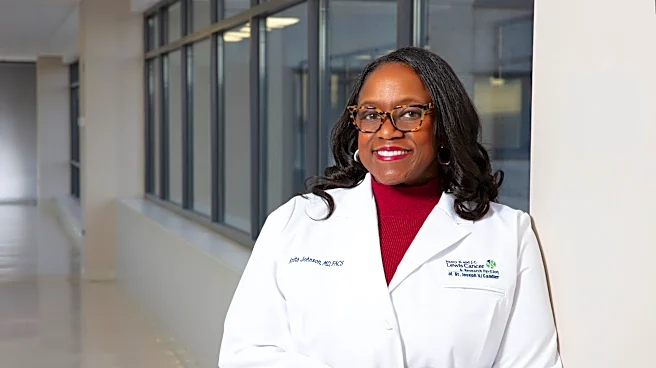
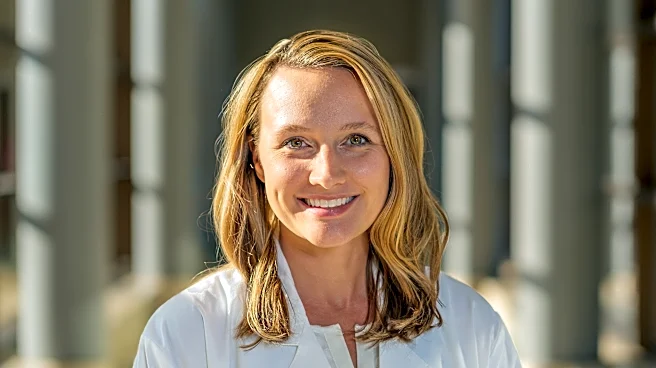
− Anita T. Johnson, MD, works with Telfair Breast Surgery and St. Joseph’s/Candler.
This article originally appeared on Savannah Morning News: St. Joseph’s/Candler highlights options for breast cancer care | Column