





This coverage is made possible through a partnership between WABE and Grist, a nonprofit environmental media organization.
A Georgia program designed to help people make their homes more energy efficient has doled out $50 million in federal funding. Administrators say it’s a major milestone.
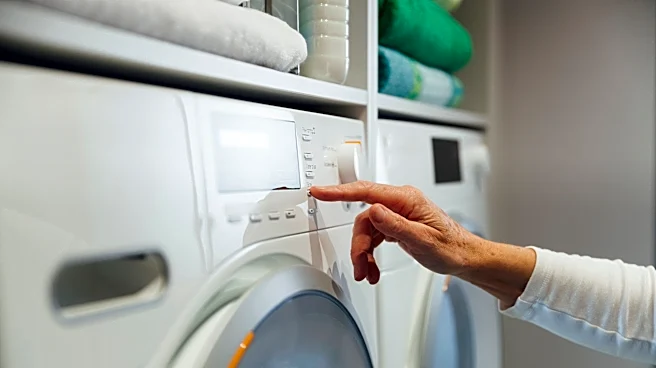
Georgia received more than $200 million under the Inflation Reduction Act — the Biden administration’s landmark climate law — to offer rebates for home energy efficiency upgrades. That could mean anything from a more efficient clothes dryer to better insulation to a whole new HVAC system.
The rebates have been popular, including with landlords and housing authorities managing rentals and apartment buildings, according to Anita Wilson, who manages the rebate program
for the Georgia Environmental Finance Authority.
“Historically, multifamily type of housing don't get to participate in programs like these to the extent that single-family can,” she said. “So that was a pleasant surprise for us to get interest there.”

The efficiency improvements covered by the program can help people save on energy bills. GEFA estimates an average $1,407 in savings annually for the 3,500 households that have participated so far. And the upgrades are often relatively simple, according to Tracy Martin with duct sealing company Aeroseal.
“We don't have to rebuild. We don't have to tear down walls,” she said. “Let's just make it work the way it was supposed to work.”
Because the rebates can be thousands of dollars and cover most or all of the up-front cost, Martin and Wilson both said many Georgians are skeptical, worried the program is a scam. They’re doing lots of outreach to make sure people know it’s an option that can really help.
Martin’s company is focusing on rural areas, because most of the approved contractors for the program are concentrated around Atlanta and because much of the low- and moderate-income housing in rural Georgia is manufactured homes. They can particularly benefit from duct sealing, she said. Typically, the ductwork is in a crawl space under a manufactured home.
“When it's 90-plus degrees, you got the AC cranking, but you're sweating inside — that crawl space might be a beautiful 70 degrees because all of that conditioned air is leaking through the ducts before it can reach the rooms in the home,” Martin said.
Sealing leaks like that, improving insulation, upgrading HVAC systems and other appliances, and the other efficiency measures covered by the program don’t just make the inside of a home more comfortable in summer and lower energy bills. Those steps can also help the whole energy grid by lowering overall demand for electricity. Because a lot of electricity is made by burning fossil fuels like coal and natural gas, decreasing demand can also help keep the greenhouse gas emissions that contribute to climate change in check.
“The more responsible we can all be in terms of how we consume energy, the less demand we can put on the grid, and hopefully those [electricity] rates won't continue to increase,” Martin said. “If we can all operate our homes more efficiently, it helps everybody.”
Georgians can check their eligibility and find contractors for the rebate program on GEFA’s website.
This article originally appeared on Savannah Morning News: Georgia offers rebates to lower your energy bills