






This story was originally published byThe Imprint, a national nonprofit news outlet covering child welfare and youth justice. Sign up for The Imprint’s free newslettershere.
A Georgia legislative panel examining state child welfare spending and the challenges driving up foster care costs held its final meeting Thursday and will deliver a report with next steps by December.
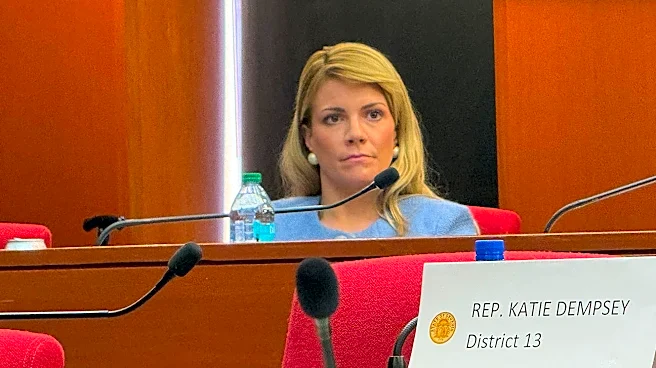
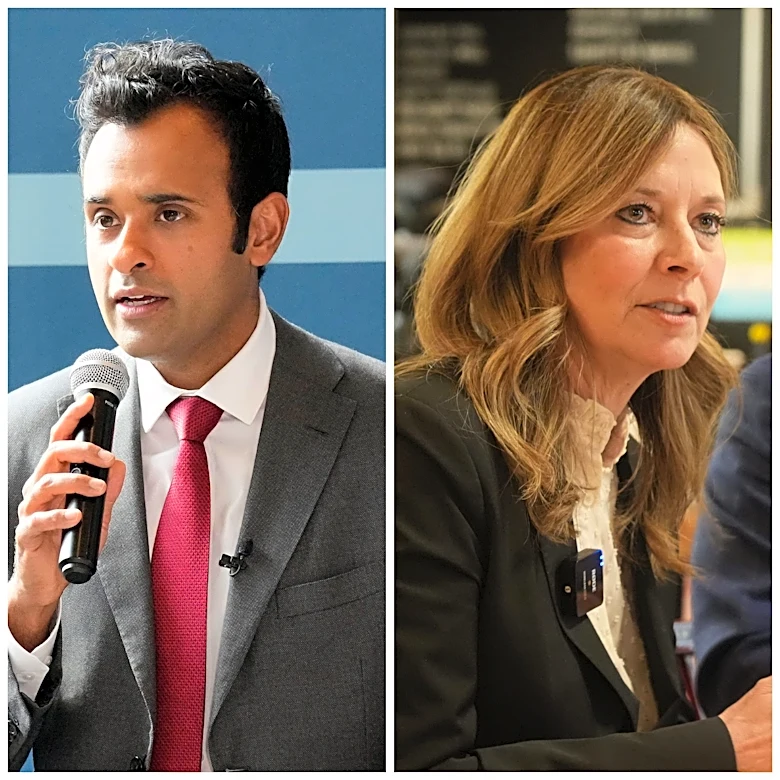
“I fully intend to ensure that we fulfill our oversight duties thoroughly and with a level of accountability that the people of Georgia deserve,” Rep. Beth Camp said.
The study committee was created last year in response to the Division of Family and Children Services’ projected $85.6 million budget deficit that drew widespread scrutiny. The state plugged the hole, but since
August, committee members have pressed the agency about the root causes of the fiscal crisis and its response to the reported shortfall. Some lawmakers have been particularly concerned that the state cut off contracts with nonprofit service providers and restricted access to court-ordered services for families.
The bipartisan committee includes 20 members of the House and Senate, nonprofit leaders, judges, and state officials. The director of the agency under review, Candice Broce, is also a member but has not testified.
The committee closed its public testimony today after hearing from leaders of national and state foster care agencies and advocates for children and families. It will release a final report with policy recommendations by Dec. 1.
Thursday’s meeting covered a wide range of issues plaguing the foster care system from the rise in Georgia’s use of hotels as foster care placements to a lack of foster homes and wait times of up to a year for therapy services to help children with autism.
Rep. Mary Margaret Oliver demanded clearer answers about transportation services for foster youth and their parents. During the committee’s August meeting, two juvenile court judges said the lack of access is impeding family visits.
Melody DeBussey, Georgia Department of Human Services’ chief policy officer, said during the hearing Thursday that there is “no ban” on transportation and that the state approves transportation services for court appearances, sibling visits and medical appointments. She acknowledged that other transportation-related requests may face “challenges.”
But Juanita Stedman, committee member and executive director of the statewide nonprofit membership association Together Georgia, told the committee that memos sent out by the state officials over the past year have caused confusion among local service providers and caseworkers.
Stedman said last year, the division effectively “shut down” transportation services when it implemented a more restrictive service authorization process. That has improved, she added, but there are still mixed messages at the county-level about what can and cannot be approved.
DeBussey told the committee that the division is committed to reviewing its process and finding ways to better communicate its policies with staff.
Wayne Naugle of the faith-based foster care agency Families 4 Families, said that transportation would not be such a challenge if children were placed closer to home and foster homes were more widely available.
“Provider capacity is way down,” he said. “Foster homes are way down. Children are being moved farther and farther from home, which is keeping them in care longer and longer, which is driving the cost of foster care up.”
This article originally appeared on Savannah Morning News: Georgia lawmakers wrap up foster care spending probe