
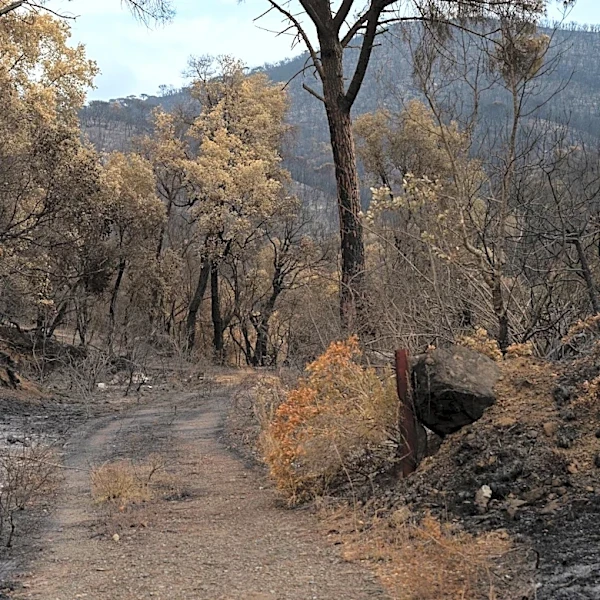




A wildfire on Wassaw Island has grown to hundreds of acres, sending smoke across parts of the Georgiacoast as firefighters work to contain the blaze.
The wildfire began Aug. 16 near the Fire Trail and Pavilion Trail areas of Wassaw National Wildlife Refuge after a lightning strike, according to local reports and refuge officials.
It was initially estimated at about 100 acres but has since expanded to about 340 acres, according to WJCL.
Here's what to know.
Current fire status
According to Western Fire Chiefs (WFC), the Wassaw Island fire was listed as a Type 4 incident and had reached 360 acres as of its latest update.

The fire was listed as 20% contained, with 160 acres of growth reported over the previous 24 hours.
The listing also reported:
- Cause: Natural
- County: Chatham
- Region: Southern
- Incident duration: 5 days active
- Responders: 2
- Discovery date: Aug. 14, 2026
- Latest update: 19 hours ago
- Last checked: 11:20 a.m.
Please note: Fire reports
currently show some discrepancies. WFC lists Aug. 14 as the fire's discovery date and its size at 360 acres, while multiple local reports identify Aug. 16 as the date the wildfire began and report 340 acres. USA TODAY fire data also lists the fire at 360 acres, but gives a discovery date of Aug. 13. Due to these differences, this story relies on the most recent and locally reported information where available.
Smoke reaches nearby communities
Smoke from the fire has been visible across the coastal region, including Tybee Island, with haze also reported farther north near Hilton Head Island, South Carolina.
Officials said smoke conditions can change quickly depending on wind direction.
The fire is burning through vegetation and debris that have dried out amid a prolonged lack of rain, providing fuel for the flames.
How long will the fire last?
Officials said the length of the fire will depend heavily on weather conditions, particularly rainfall.
Based on the extended forecast, the fire could potentially continue burning for another two to three weeks.
Officials said it could take several inches of rain to completely extinguish the fire, potentially requiring rainfall associated with a tropical weather system.
The fire has also moved into an area affected by a previous burn. An old burn scar from a fire near Pavilion Trail about two years ago has less vegetation available to fuel the current blaze, helping slow the fire in some locations.
Why the fire is significant
Wassaw Island is part of the National Wildlife Refuge System and has been protected for decades.
The refuge was established in 1969 and encompasses more than 10,000 acres of maritime forest, salt marsh and coastal dunes.
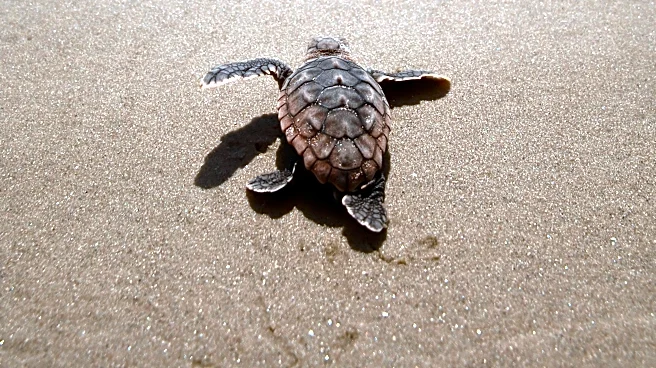
The island provides habitat for wildlife including loggerhead sea turtles and migratory birds.
While officials said wildlife generally has opportunities to move away from advancing flames, the fire is still burning through sensitive coastal habitat.
Dry conditions have also left vegetation and trees stressed, which could increase the long-term effects of the fire.
How is it being monitored?
Wildland firefighters remain on Wassaw Island and are working from existing trails and firebreaks to help control the fire's movement.
Georgia Forestry Commission pilots have also conducted aerial patrols.
Natural features including beaches, marshes and open water can serve as barriers to the fire. Officials said portions of the blaze have already burned toward the beach.
At this time, officials said the fire does not pose a threat to nearby communities, people or the island's limited structures.
Refuge officials have restricted access to areas affected by the fire while crews continue their work.
The Fire Trail and Pavilion Trail areas have been among the locations affected by closures. Officials are urging boaters and visitors to avoid restricted areas.
For more information, visit fws.gov/refuge/wassaw.
Vanessa Johns is the Trending Topics Reporter for the Deep South Connect Team Georgia, covering food and entertainment. Email her at Vcountryman@gannett.com.
This article originally appeared on Savannah Morning News: Why this Georgia island wildfire could keep burning for weeks