





As the Trump administration is finding out more and more, there is great truth in Winston Churchill’s maxim that “there is only one thing worse than fighting with allies, and that is fighting without them!”
In today’s multi-polar world, where there is no longer one hyperpower that everyone else listens to, a nation’s image matters.
And until very recently America was seen around the globe as the world leader in a number of key categories: military might; economic power; science and technology; democratic values; diplomatic prowess; popular culture; and higher education.
These critically important elements have been largely responsible for our security, prosperity, and recognized reliability as an ally.
Regrettably, we seem to be slipping on all
fronts, and in most cases we are doing it to ourselves.
One specific area which is especially concerning is how the Trump administration is discouraging international students from coming to U.S. universities.
It’s an undeniable fact that the research and students our universities produce are one of the major reasons for every one of America’s historic strengths. And because we have the best higher education system in the world, our universities have historically attracted the best and brightest students and researchers from around the world.
It’s counterintuitive to think of our higher education as an export industry, but that’s exactly what it is.
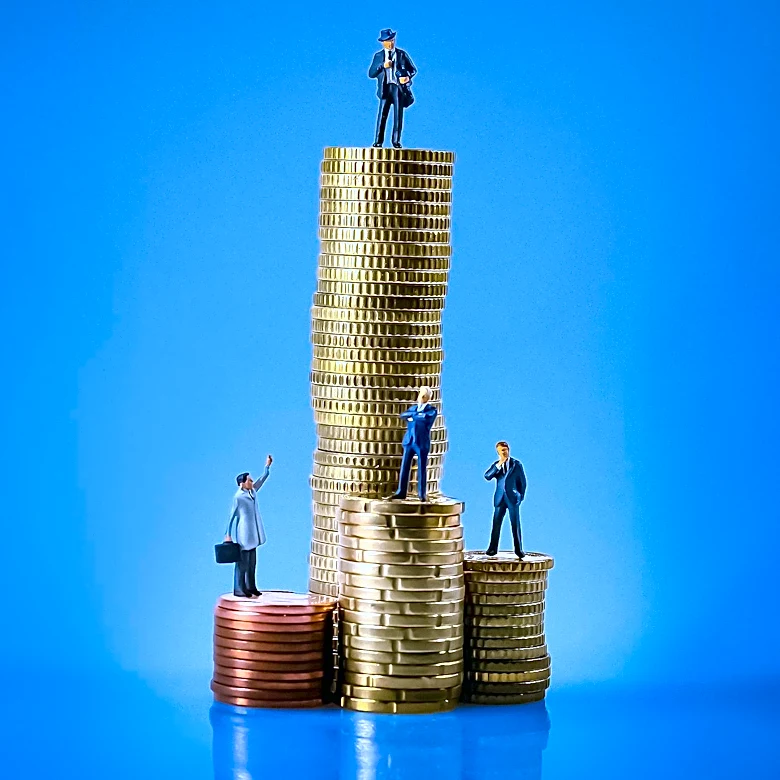
Foreigners who come here to study or do research are buying a “product,” to the tune of $43-50 billion annually!
This compares to about $42 billion for liquified natural gas. Our “export” of higher education also generates a trade surplus each year of over $40 billion.
And – Lubbock-area businesses take note – for every three international students, one local job is created.
There is also a long list of key inventions patented in the U.S. by people who started out as international students, including Google search, PayPal, and Kevlar.
And a large portion of Silicon Valley tech company founders also started here as international students.
Since I served both as a long-time U.S. diplomat, and then as Vice Provost for International Affairs at Texas Tech University for 15 years, I can appreciate the issue from both sides: how to make sure foreigners coming to America don’t create a threat, and how America can greatly benefit from international students.
At Texas Tech and in Lubbock, I was delighted to find an institution and a community which embraced its internationals and recognized the valuable contributions and income they brought.
Between 2004 and 2018 we increased international enrollment from miniscule numbers to a point where almost 25% of graduate students and 8% of undergraduates were internationals, and those numbers remain about the same today.
From my experience, internationals tend to pay full tuition, maintain a high grade point average, and most importantly, several key university departments – especially in engineering and computer sciences - could not be financially viable without them. And with current domestic enrollments declining across higher education, the only viable alternative is filling the gap with internationals.
During my 20-plus years representing America while serving in eight African countries, I consistently encountered two groups of people who were head over heels fond of our nation: those who got to know a Peace Corps volunteer in their home countries and those who studied at a U.S. university.
This made me very proud of our country, and of the contribution our universities were making to the global image of America. As with my experience on the ground in Africa, our Texas Tech internationals went home overwhelmingly praising America, Texas and Lubbock.
Putting my diplomat’s hat back on, I also understand and support our Administration’s concern with the negative aspects of foreign students and scholars: visa overstays; gaining critical knowledge which can be used against us; stealing our technology; presenting a security threat; etc.
These should be concerning to all Americans.
But they can all be mitigated, just as we handle risks related to selling other U.S. products and services to foreigners. I know from my own experience that consular interviewers at our embassies, especially since 9/11, are already tough in vetting visa applicants – so the “front door” is well guarded.
One point of laxity in managing international students and scholars has to do with monitoring their activities during the time they are on campus.
That responsibility rests with higher education institutions’ international offices - some of which are strict and follow the rules scrupulously; others, less so. This is an area where our government could do better by tightening standards and assuring uniformity.
One approach would be requiring the heads of international offices to be certified by Homeland Security as to their knowledge of current rules and regulations. And each office should be periodically visited by a government official and audited for compliance.
Failure to follow the rules would result in that institution losing the right to host internationals – a huge incentive to do right. With such a system, if our government decides, for example, that students or researchers from certain countries must not have access to sensitive subjects – e.g. large language models used in artificial intelligence - the university international office would assure compliance and be held liable for failing to do so.
Unfortunately, instead of fixing the current system, the Trump administration’s policy appears to be to discourage international students from coming to America.
This is especially true for parts of the world which are rapidly developing with a newly emerging wealthy class who are the very people wanting to send their college age kids to the U.S. By dramatically reducing the number of U.S. Embassies which issue visas, applicants must go on long and expensive journeys to other countries with lengthy waits just to get an interview.
Those who do get visas are now limited to four years of study in the U.S. with a cumbersome waiver process for those who need to stay longer. With such restrictions, the message internationals hear is “stay away or go elsewhere.” And they are doing that since other countries are eager to take them and benefit from the talents and skills internationals bring. This will also mean losing thousands and thousands of future friends and supporters of America across the world.
The new impediments international students and scholars face in coming to U.S. universities are just more example of the Trump administration’s hostility in engaging with the globe writ large.
There is an unending flow of actions and statements which seem designed to insult one foreign audience or nation after another – even longtime friends and allies.

No wonder visitor numbers, whether regular tourists or students, are dropping significantly.
While alienating international students and scholars does harm our prosperity, intellectual achievements, and global support, it is by no means an existential threat.
But when the administration alienates key allies who have supported us through the Cold War, the Iraq Wars, the global war on terrorism, and Afghanistan – that’s another matter.
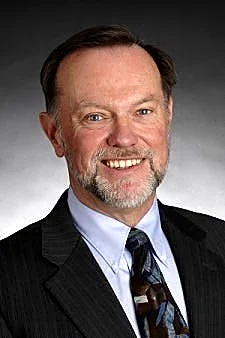
Ambassador Tibor Nagy most recently served as acting Under Secretary of State for Management in the second President Donald Trump administration. He also served as Assistant Secretary of State for Africa in the first Trump administration after serving as Texas Tech’s Vice Provost for International Affairs following a 30-year career as a U.S. Diplomat. Follow him on Twitter @TiborPNagyJr.
This article originally appeared on Lubbock Avalanche-Journal: Tibor Nagy warns discouraging international students hurts the U.S.