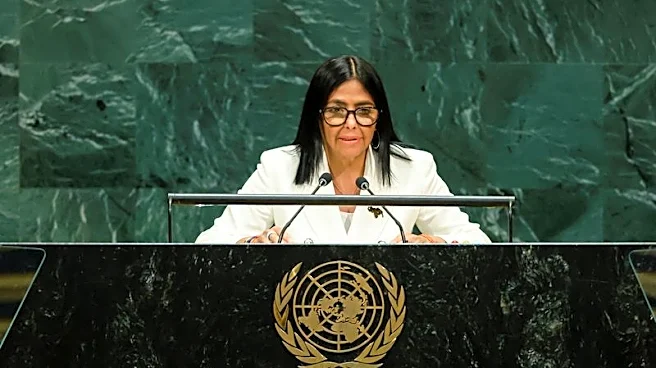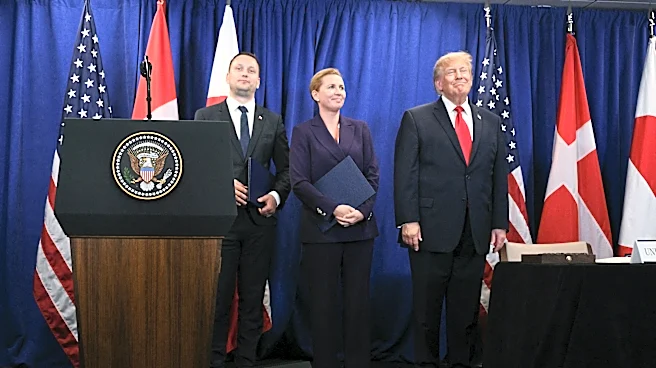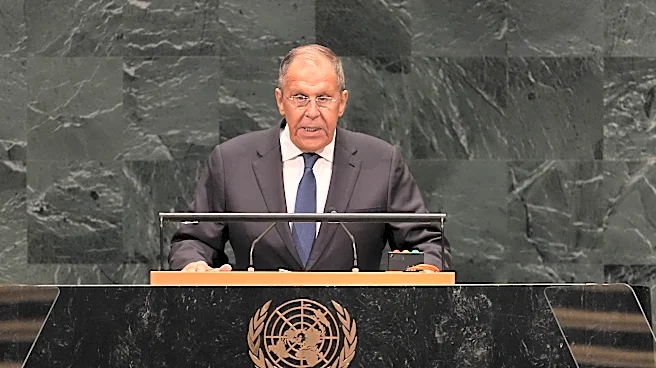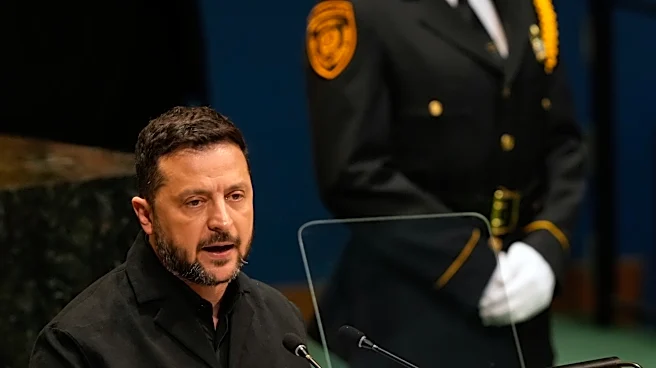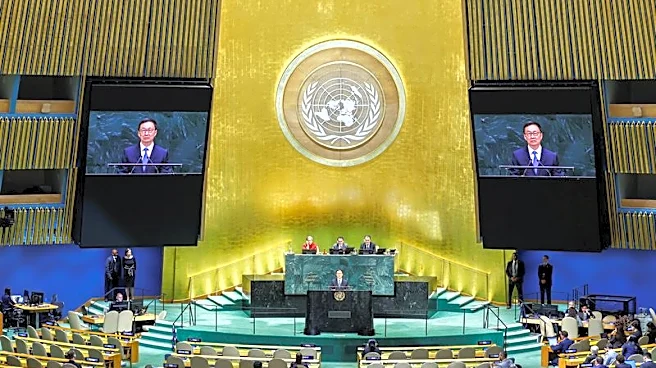




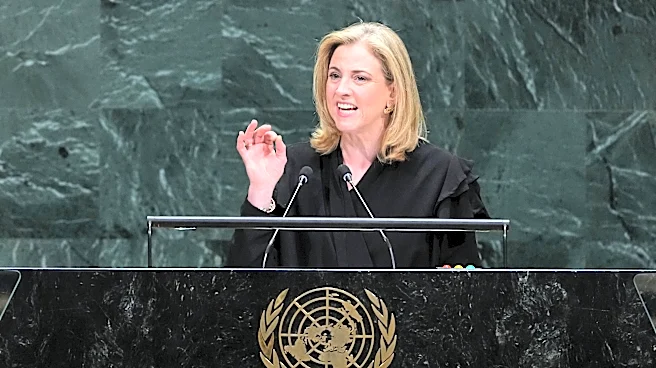
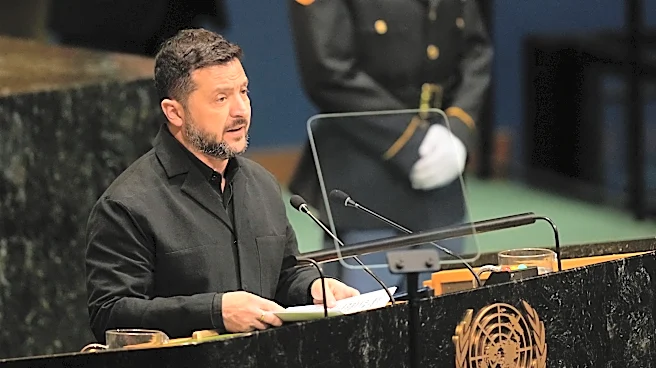
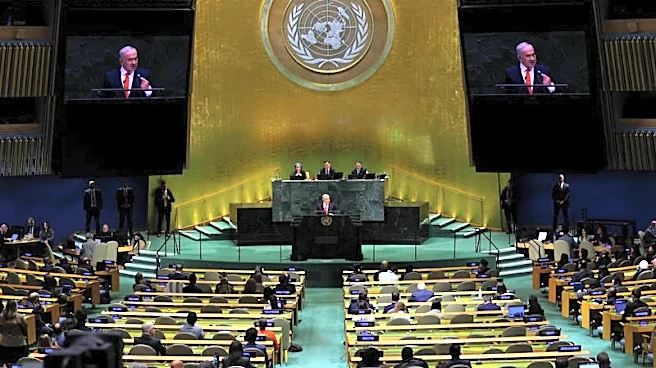
The largest annual gathering of world leaders takes place from the fourth Tuesday of every September when heads of state and government from most of the United Nations 193 member states congregate in New York to attend the UN’s General Assembly.
It’s also one of the biggest circuses in the world. During the week, the heads of state/government follow one another onto the rostrum to speak to the assembled dignitaries – with many exceeding the “suggested” 15-minute time limit – to highlight their nation’s priorities and how they view the state of the world. By tradition Brazil is the first to speak, followed by the U.S., as host nation.
For the rest it’s a complicated speaking order based on a strict protocol formula.
In addition to the General Assembly
speeches, the week is filled with conferences on current “hot button” topics, requiring attendance by high-ranking officials below the presidential/prime minister level. High Level Week is mostly theater, with lots of words but few results.
The real action is neither in the General Assembly Hall nor the official conferences, it takes place in meetings “in the margins” (unofficial events, including meals or receptions) or in “bilats” (one-on-one meetings, with note takers and interpreters, between officials from two countries).
Because of the large number of such events, the U.S. Department of State in Washington is empty during the week with most senior officials in New York.
Every visiting world leader would like time with the U.S. President – who at best can only meet with a handful of counterparts.
These always tend to be our closest friends or leaders of countries with major global impact – e.g. Ukraine.
Beyond our President, the next most sought-after U.S. official is Secretary of State Rubio.
His meeting agenda is also limited so State Department offices compete with each other to persuade the Secretary on which leaders to meet.
When I was Assistant Secretary for Africa, then Secretary Pompeo told me that I could offer only three of my countries for his bilats.
Not an easy choice when I had 50 countries in my region.
Beyond Secretary Rubio, there is a descending hierarchy of State Department officials to take bilats: the Deputy Secretary, several Undersecretaries, and the Assistant Secretaries.
There is also a smattering of senior officials from other Cabinet Departments who come to New York to discuss specific topics – e.g. global economic issues, etc. Suffice it to say, every visiting delegation wants to meet with the highest possible U.S. official; which is physically impossible.
While the UN has many meeting rooms, there are never enough, so some of the building’s public spaces such as hallways are divided into small cubicles for bilats. These are right next to each other so confidential discussions are impossible.
While you are engaged with some Minister in a French conversation, from the partition next door might come a loud conversation in Arabic.
Some delegations prefer meeting in their hotel suites or at their New York consulates, which member nations maintain year-round.
While most locations are less than a mile apart, given that traffic in the area is totally paralyzed during High Level Week, the only practical way to get quickly to meetings outside the UN building is by foot. The only exceptions are the highest-ranking VIPs who can zip through the traffic with sirens, armored limousines and security escorts.
Since Africa has more nations than any other Continent, my “dance card” was beyond full. I literally ran from meeting to meeting with African officials at multiple locations.
My staff would hand me the points for the next bilat, or remarks I was to read at a conference, as I ran from one event to the next. My hope was always that I had the right set of notes. The entire process was akin to diplomatic “speed dating” – with similar skimpy results. It was full of ceremony and symbolism, but short on substance.
Beyond US and foreign officials, the week draws hundreds and hundreds of representatives from lobbying firms, businesses, consultancies, think tanks, NGOs, etc., eager to pursue their particular interests with visiting delegations. Businesses, especially, spare no expense in hosting visitors to lavish means and receptions.
Given the crush of high paying customers, New York hotels and restaurants jack up their already sky-high prices to stratospheric levels. But most galling are those large delegations from impoverished nations which receive millions of dollars of foreign assistance parading through Five Star hotel lobbies decked out in London or Paris fashions, wearing Rolexes, and carrying shopping bags full of purchases from Manhattan’s most exclusive shops. There is a perverse logic that the poorer a country, seemingly the larger their High Level Week delegation.
While I have never been a fan of the United Nations I also reluctantly accept the truism that “if it didn’t exist, we would have to invent it.” This is especially true of the UN’s Specialized Agencies which regulate global standards for an A-Z list of vital functions like aviation protocols, processing mail, telecommunications frequencies, etc. Today’s interconnected world and rapid technological advances require bodies to set rules for activities which drive our prosperity and well-being. These agencies are essential and worth keeping!
My biggest complaint with the UN is that in its present form it has outlived its usefulness. The overall operation is inefficient, hypocritical, and wasteful. And the Security Council is simply dysfunctional – it no longer has anything to do with global security. Meanwhile, it is American taxpayers who are the largest funders of the institution. The US is currently assessed about $5 Billion annually; this represents 22% of the UN’s core budget and 26% of its peacekeeping operations. We also make generous additional voluntary payments to fund certain global disasters and emergencies.

UN High Level Week simply reinforces my misgivings of the UN as an institution. The anodyne speeches, countless meetings with meaningless declarations, and “feel good” media statements cost much but accomplish little.
While the UN, created by the US in the aftermath of World War Two, well represented that time period, it no longer reflects the reality of today’s world. Without major restructuring the UN will degenerate into a zombie institution going through symbolic motions supported by a global bureaucracy but no useful role. And we’ll keep paying for paralysis and disfunction exemplified by “peacekeeping” missions that don’t bring peace, UN bodies which act to defeat the very functions they should advance (like having egregious human rights violators on the UN Human Rights Council), and a structure made for process rather than results. May High Level Week R.I.P.
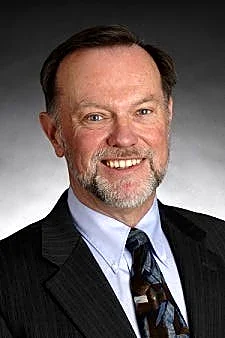
Ambassador Tibor Nagy most recently served as acting Under Secretary of State for Management in the second President Donald Trump administration. He also served as Assistant Secretary of State for Africa in the first Trump administration after serving as Texas Tech’s Vice Provost for International Affairs following a 30-year career as a U.S. Diplomat. Follow him on Twitter @TiborPNagyJr.
This article originally appeared on Lubbock Avalanche-Journal: Tibor Nagy on why United Nations 'High Level' week is a waste of time