






Editor’s Note: Jack Becker, Librarian Emeritus, Texas Tech Libraries, is the editor of Caprock Chronicles. He can be reached at jack.becker@ttu.edu. He would like to thank Dale Peterson for the pictures that accompany this article.
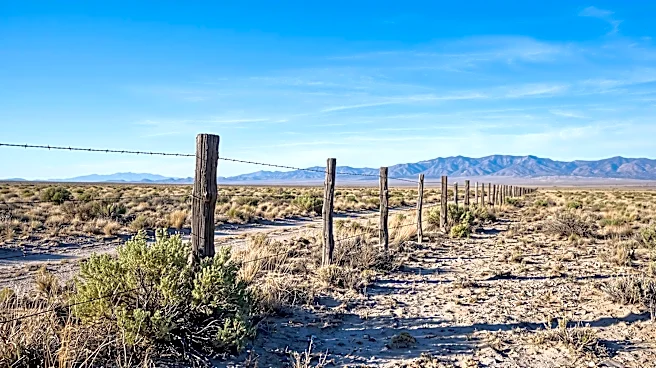
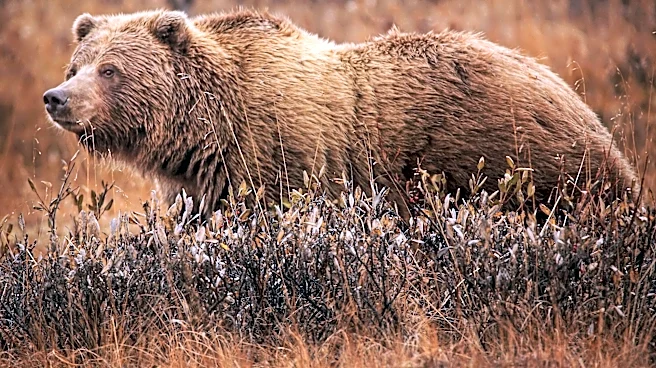
Did Grizzly Bears once roam the South Plains? Did the largest predator and the most feared animal in North America ever inhabit the Llano Estacado? Historians and biologists have mixed opinions on the subject. No written accounts from the settlement period mention one, no stories describe an encounter with ursus arctos horribilius, which surely would have been remembered. There are Native American tales of encounters with “bears” on the Llano, but they do not distinguish the breed of bear encountered.
Bear fossils suggest
bears migrated from Asia about 8 million years ago and separated into two white bears that populated polar regions and a smaller black bears that inhabited forested regions. Grizzlies evolved from white bears about 200,000 years ago and spread far into the Great Plains feeding on the large ungulates that grazed there.
Bear names populate place names throughout America; Bear Wallow, Bear Creek, and even Cub Run testifying to the wide-ranging habitat of bears. Undoubtably most bear names are from encounters with Black Bears, but the further one travels west the more likelihood bear place names were named for Grizzlies. To the untrained eye and depending on the season and the climate, distinguishing the difference between the two bears was difficult.
The only written account of a Grizzly bear encounter in west Texas occurred in the Davis Mountains in 1890. The encounter did not end well for the bear.
During their annual fall hunt, C. O. Finley and John Z. Means shot and killed a large male bear who it was believed wandered into the trans-Pecos of West Texas from either Sonora, Mexico or from the mountains of eastern New Mexico.
It was estimated that the bear weighed 800 pounds. It took four men to lift its hide onto a mule that carried it back to their camp, twenty miles away.
An encounter with a Grizzly was truly an encounter you would not easily forget.
Adult males could tip the scales at 1,100 pounds; they could reach the height of seven feet but it was their temperament more than their sheer physical size that terrified people. When startled, or threatened, or in the case of a sow, if she felt her cubs were in danger, grizzlies would attack a person in the most terrifying manner. Remarkably fast for their size, they can outrun a man, even in rough mountainous terrain.
One’s only hope if caught in this situation was a nearby climbable tree. A human had little chance of surviving a Grizzly mauling.
Early explores of the American West and Great Plains relate that great numbers of Grizzlies which populated the Great Plains. In Lewis and Clark's famous “journey of discovery” their journals relate several encounters with Grizzlies while they traveled across the Great Plains before they reached the Rockies.
Grizzlies probably occurred sparingly on the Caprock up until the early exploration of West Texas. Some historians and biologists believe the Great Plains was a “primary Grizzly range” since the scavenged remains of bison played an important part of their diet. In the early 19th century when you entered buffalo country you entered Grizzly country.
Grizzlies played an important role in the ecology in which they lived, not only were they the “key stone” predator preying upon, bison, deer, elk and a variety of smaller game, but as omnivores they ate a wide variety of plants especially in the spring after their winter hibernation ended.
Although Grizzlies in southern climates may not have hibernated.
But with the disappearance of the buffalo on the South Plains in the late 1870’s, Grizzly’s natural range shrank and they retreated back into more isolated mountainous areas. Therefore, early ranchers and settlers of the Llano did not record any encounters with Grizzlies.
It is surmised that in 1600 at least 56,000 Grizzlies roamed the lower 48 states, with their range extending from the shores of California, where they prospered, all the way east to the 100 meridian. But pressures from unrestricted hunting, loss of habitat to cattle ranchers, and loss of the traditional food sources sealed their doom. By 1950, only 750 Grizzly bears remained in the continental United States.
But today the outlook for Grizzlies appears to be good as their numbers are on the increase in the states of the inter-mountain west, Alaska, and Yellowstone National Park. With careful management and increased public awareness perhaps one of the most iconic animals in North America, second only to the bison, can once more prosper in its “home range.”
This article originally appeared on Lubbock Avalanche-Journal: Caprock Chronicles on if grizzly bears once roamed the South Plains