







When I began practicing obesity medicine in India 43 years ago, I had a patient who was previously treated by another doctor.
He was beaten with a wooden bat, supposedly to break down body fat so it could be shed.
The bruises on that patient were a vivid reminder of the frustration and desperation experienced by many with obesity and how easily they can be exploited by quacks.
That experience helped shape my career, as I dedicated myself to studying the causes and contributing factors of obesity, now one of the most pressing public health challenges globally.
Obesity is a chronic disease with biological causes, much like diabetes or high blood pressure. Yet society often treats it differently. You cannot tell by looking at someone whether they have
diabetes or high blood pressure.
Obesity, however, is a disease people “wear,” making those living with it vulnerable to judgment and criticism.
The stigma is so strong that even people with obesity may believe they are lazy, greedy or simply lack self-control. The American Medical Association recognizes obesity as a disease, but many people still view it as a personal failure. Hence, people often seek weight-loss advice from friends or neighbors, instead of health-care providers. Obesity is often considered a lack of willpower – which it is not.
Why do we gain weight?
Food provides our cells the energy (measured as calories) to survive and function. The body stores surplus calories mainly as fat. Historically, this ability to store fat helped humans survive when food was scarce. Our ancestors often experienced cycles of feast and famine. Those who could efficiently store energy as fat during the “feast” time had a better chance of surviving famines. What once served as a survival advantage can make losing excess fat difficult today when “feasts” are generally more common than “famines.”
Our bodies have mechanisms in place to keep fat stores within a healthy range. Hormones tell us when we are hungry or full. Our bodies can adjust how much energy they use. So why do some people develop obesity?
Obesity can occur when one or more of these mechanisms are impaired. Think about swelling caused by water retention. It is not because of drinking excessive water. It happens when organs that regulate fluid balance, such as the kidneys or heart, are not functioning properly.
Similarly, obesity can result from impaired mechanisms that regulate energy storage, usage or appetite. These problems can range from changes in a single gene to many biological factors that we do not yet fully understand. The factors also interact with a person's environment. Instead of blaming people for being weak-willed or undisciplined, we should ask what is causing the impairment.
Different causes, different treatments
One example is a defect involving a brain receptor called melanocortin-4 receptor (MC4R). People with this genetic condition have difficulty feeling full. From childhood, they may eat large amounts of food and develop severe obesity.
Fortunately, a U.S. Food & Drug Administration-approved medication is now available for people with this condition to produce substantial weight loss. In such cases, blaming television, lack of exercise or fast food, misses the real issue. Understanding the cause can lead to more specific treatment.
Perhaps it is apt to consider obesity as “obesities,” because the underlying mechanism for fat increase may differ. Science has made tremendous progress understanding these causes, but many remain unclear. We therefore should continue obesity research, provide cause-specific treatments when available and use comprehensive treatment approaches for everyone.
How can obesity be treated?
At its core, obesity treatment requires eating fewer calories, burning more calories (e.g. physical activity), or both. But doing this long-term is challenging. Asking someone to permanently eat less can be compared to asking someone to breathe half as often forever. We may be able to do it briefly, but it is not sustainable without help.

Hence, additional support may be needed. FDA-approved medications can reduce hunger or increase feelings of fullness. Bariatric surgery can also help maintain a lower caloric intake long-term.
These treatments are appropriately combined with good nutrition, physical activity and other lifestyle changes.
Weight loss is not the same as fat loss
There is also an important difference between weight loss and obesity treatment. Losing weight can mean losing fat, muscle, water or even bone. For someone with obesity, the goal should be to lose excess fat while preserving muscle or bones. Obesity management is also about treating health conditions that often accompany obesity, such as diabetes, high blood pressure and heart disease. It also includes helping people prevent future weight gain or regain. This is no different from managing other chronic diseases.
Such a comprehensive obesity management approach can offer people living with obesity a much better chance of achieving and maintaining their health goals.
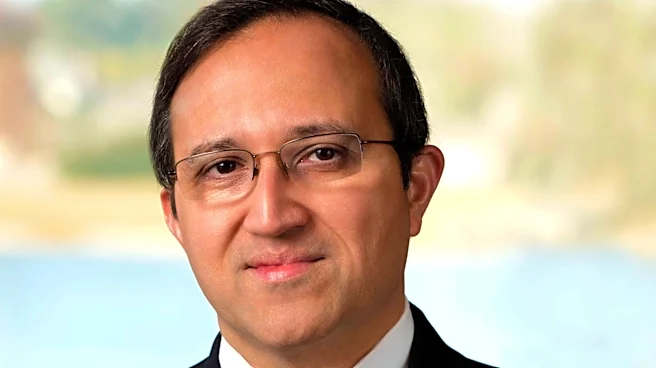
Nik Dhurandhar, LCEH, MS, PhD, FTOS, DFASN, is a Paul W. Horn Distinguished Professor and Helen DeVitt Jones Endowed Chair in Texas Tech's Department of Nutritional Sciences and Associate Dean for Innovation in the College of Health & Human Sciences. He can be emailed at nikhil.dhurandhar@ttu.edu.
This article originally appeared on Lubbock Avalanche-Journal: TTU's Dhurandhar on why fat loss is not easy, but how to succeed