







Lubbock Public Health on Friday confirmed the first human case of West Nile virus in 2026 in Lubbock County.
Surveillance activities continue to identify positive mosquito pools for WNV and Saint Louis Encephalitis, and Vector Control is actively treating affected areas with larvicide and adulticide.
Lubbock Public Health advises area residents to take precautions against mosquito bites, including:
Wearing an EPA-registered insect repellent
• Covering up with long-sleeved shirts and long pants
• Keeping mosquitoes out of living areas with air conditioning or intact window screens
• Limiting outdoor activities at dawn and dusk, when mosquitoes are most active
• Dumping standing water around homes and properties
Lubbock residents can report mosquito activity
or suspected breeding sites to the Vector Control Department at www.mylubbock.us/vectorcontrol.
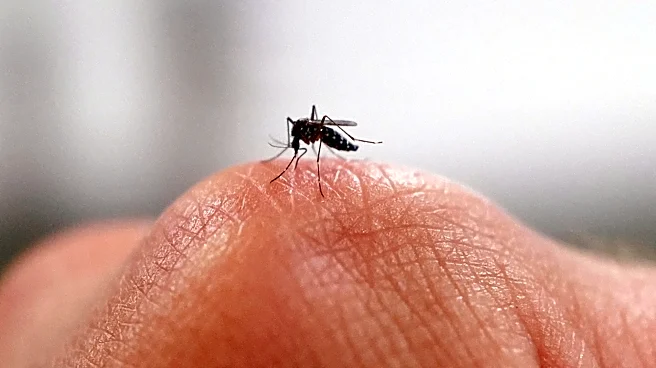
West Nile and Saint Louis Encephalitis viruses are typically transmitted through the bite of a Culex pipiens mosquito, commonly known as a house mosquito, after it feeds on an infected bird. Common symptoms include fever, nausea, headache, and muscle aches, and can last from a few days to a few weeks.
Most people infected will not show any symptoms. In rare cases, severe illness, including meningitis or encephalitis, or even death can occur. Older adults and immunocompromised individuals are at higher risk for severe illness.
For more information on Mosquito Borne Disease, visit the Texas Department of State Health Services website at: Mosquito-Borne Diseases | Texas DSHS (https://www.dshs.texas.gov/disease-surveillance-epidemiology-section/zoonosis-control/mosquito-borne-diseases)
This article originally appeared on Lubbock Avalanche-Journal: Lubbock Public Health confirms first human West Nile virus case in 2026