





Anyone who has visited a grocery store lately has likely seen displays and products with the word “protein” stamped across them.
What initially began as a social media-fueled trend called “protein-maxxing,” with influencers boasting about the benefits of eating more protein, has now become a widespread craze. Is there any truth to these health claims?
Protein has always been a staple in our diets. Along with fats and carbohydrates, it is one of three macronutrients that help the body build and repair tissues. Protein is made up of amino acids that can be found in every cell of our bodies and are essential to keeping them functioning properly.
A normal diet typically consists of 0.8 to 1 gram of protein per day (per kilogram of body weight), whereas
a high-protein diet ranges from 1.5 to 2 grams per day. Additional protein can aid in building muscle and losing weight. More protein on your plate keeps you full longer between meals and leaves less room for other foods, such as white bread or rice.
Meat is probably the first thing that comes to mind when thinking about protein, but there are several different sources.
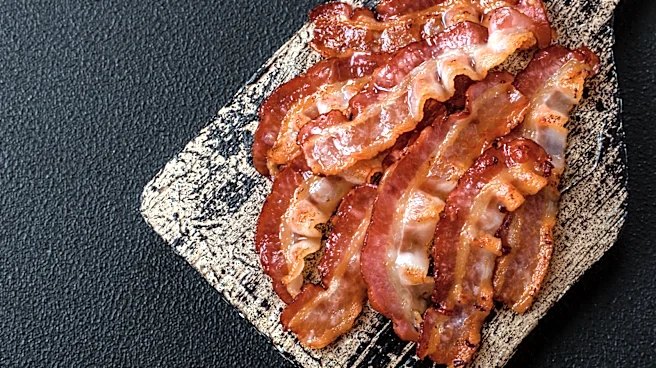
Animal proteins come from an animal in some shape, form or fashion. The big three we think about are meat, eggs and dairy products. They are a solid option because they have complete amino acids, which means every amino acid you need can be found in that piece of meat or egg.
Although animal proteins are a great option, they might not be for everyone. Meat prices are steadily increasing, and the saturated fat content in animal products could negatively impact those with heart disease or diabetes. These can be limiting factors, so it is important to know where to look for alternatives.
Plant-based options are often overlooked. Beans, peas and lentils are the best choices when looking for a budget-friendly protein. While plant sources do not contain every amino acid, they can be paired to provide all of them in one meal. Think about rice and beans. Separately, they do not contain all the necessary amino acids, but together they might have the same amount as chicken.
Protein supplements are another option when used in moderation. Do not just consume protein powder and expect to stay healthy. If you want to add a little extra protein to your meals, there are several products to try as brands look for creative ways to make protein snacks more convenient and appealing, like candy or pancake mixes.
A big mistake people make when they decide to try high-protein diets is that they take out entire food groups. They are not eating nearly enough fruits and vegetables, which provide vitamins and minerals our bodies absolutely need.

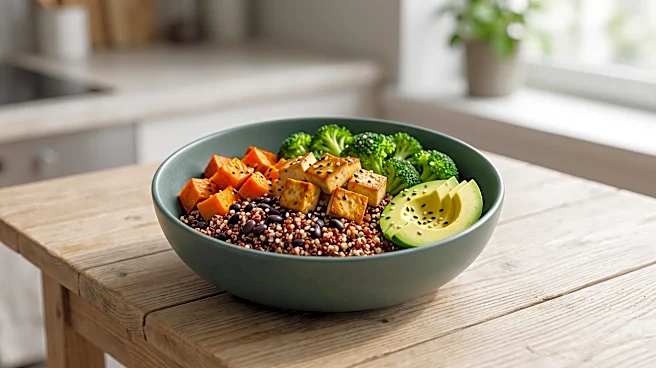
Carbohydrates are another group that tends to get neglected. They are the sugar source that fuels our bodies. Protein can make sugar, but it is not nearly as efficient at doing so. Proteins should be paired with a complex carbohydrate such as brown rice, quinoa or whole wheat to provide carbs without a lot of sugar.
Practicing balanced eating habits does not have to be difficult. MyPlate and apps such as MyFitnessPal and Appediet can help you track what you eat and visualize how much should be on your plate.
The most important thing to remember is to have a balanced diet. High-protein diets are possible without giving up other food groups. Listen to your body and be smart about how you do it because you still need all those other food groups to make sure that you stay healthy in everything you do. That piece of meat is not going to give you what a mango can give you. Not only taste-wise, but health-wise.
Christie Hust is a registered dietitian and managing director of performance improvement at the Texas Tech University Health Sciences Center’s Larry Combest Community Health and Wellness Center.
This article originally appeared on Lubbock Avalanche-Journal: Texas Tech HSC dietitian explores eating smarter with protein