


NEW CITY - As large-scale development projects line up for Clarkstown land-use approvals and amid a hot election cycle in which all town leadership seats are on the ballot, Clarkstown's town board unanimously passed a six-month building moratorium.
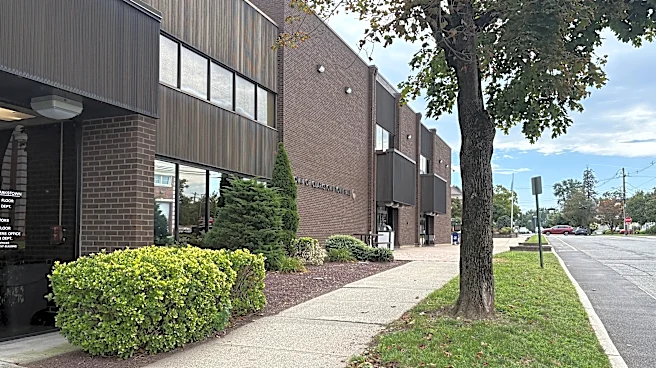
More than 200 people came to a Sept. 15 public hearing at town hall, with more than 20 speaking, all in favor of a moratorium.
Supervisor George Hoehmann, a Republican seeking his sixth two-year term as supervisor in November, said the moratorium was "not political posturing."
But Eugene Bondar, the Democrat running against Hoehmann, questioned if the town board's intention was to accomplish changes or just ride out election season, with Hoehmann and the four other Republican town board members facing
challengers Nov. 3.
"The proposed moratorium does not commit this board to anything. It says the town shall 'endeavor' to adopt new zoning," Bondar said during the hearing. "Endeavor. No deadline. No deliverable. No promise. A pause is not a fix."
Hoehmann said the moratorium was done because it was needed. "We're going to do our job and do our due diligence," he said.
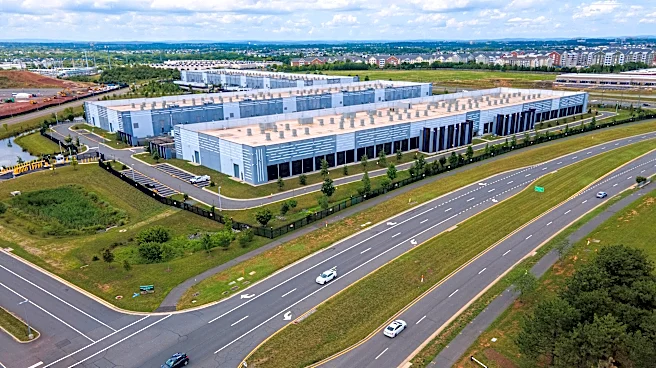
In response to questions about what the moratorium impacts, Hoehmann and Town Planner Joe Simoes mentioned the following: It would freeze applications for developments like Cedar Corners, a mega warehouse proposal in Congers, as well as a proposed project that would bring a six-story residential building to the Clarkstown Plaza, where DeCicco's supermarket and a defunct movie theater are located. Any development at the former Restaurant X site in Congers would also fall under the moratorium.
Developments that have already completed key environmental permissions would not be subject to the moratorium, town officials said.
Town Attorney Kevin Conway said that no particular development proposal was "targeted" by the moratorium.

Where moratorium would, and wouldn't, impact in Clarkstown
Bondar said that the moratorium was too short, should have been instituted long ago and was fixing a problem of the town board's creation. He pointed out a spate of development projects proposed in places like New City after zoning changes in 2023.
Bondar has pushed for a moratorium that lasts 12 months, saying more time is needed to assess the town's myriad needs and challenges.
Hoehmann called a longer moratorium "courting danger" that would engender legal challenges from developers.

Bondar said New York municipalities have repeatedly won such challenges in court.
But, Hoehmann said it was better to avoid court action by starting with six months and then extending if needed.
Specific impacts of the moratorium were also points of contention.
For example, Hoehmann specified that downtown Nanuet, which is under a special Transit Oriented Development, or TOD zones, wouldn't be part of the moratorium. Projects within the so-called Nanuet Hamlet Center, near the town's sole Metro-North commuter rail station, had already been studied, Hoehmann said. The zone includes the former Grace Church that Clarkstown purchased years ago and is slated for senior housing.
Also exempt: small-scale subdivisions, individual residential projects and commercial development projects less than 5,000 square feet also can move forward during the moratorium. Officials said those kind of projects were unlikely to create significant traffic impacts.
Hoehmann said the moratorium period will include a survey sent to town residents to gauge their concerns.
Simoes also gave some possible topics of study.
"How much senior housing do we need," Simoes posed, pointing to a townwide senior housing "floating zone" instituted years ago that now may be ready to shelve.
Simoes also said buffers for industrial zones could be considered. "More greenspace takes away development," he said.
What the Clarkstown moratorium would, and wouldn't, do
Hoehmann said the impetus was multi-fold:
- A 2021 update to the town's Comprehensive Plan.
- The town's proposed Clarkstown Community Preservation Act, which would establish a special land-acquisition fund that would be filled by a real-estate transfer tax if voters approve it in 2027.
- The state's recent alteration of the State Environmental Quality Review Act, known as SEQRA, which cuts back permitting hurdles for certain housing projects with 300 or fewer units that would be built on previously disturbed land that's connected to water and sewer infrastructure and comply within local zoning regulations.
Basically, Simoes said, the town would be constructing its own SEQRA rules.

Hoehmann, in a statement, said the moratorium provides "a cushion needed to thoughtfully review and enact potential zoning changes and ensure that future development is consistent with the town's long-term goals."
Bondar, in a statement, also supported a moratorium. "Once a project is approved and built, there is no undo button."
David Hendrickson spoke in favor of the moratorium during the Sept. 15 public hearing. The Congers resident pointed to the cost of rapid growth one town over, in Ramapo.
"Look at Route 306 and Route 59 traffic," he said, where weekday traffic jams occur on 59 from the New York State Thruway Exit 14A in Clarkstown near the Spring Valley Marketplace to Route 306 in the heart of Monsey, and too-frequent vehicle and pedestrian crashes. "Protect your constituents." he said, "not big business."
Nancy Cutler writes about People & Policy for lohud.com and the USA Today Network New York. Reach her at ncutler@lohud.com; follow her on Twitter, Threads and Instagram at @nancyrockland.
This article originally appeared on Rockland/Westchester Journal News: Clarkstown passes building moratorium. Why now and what's next