





The city of Albany wants to be able to tax people who work in the city but don't live there, and it's causing an uproar among state lawmakers.
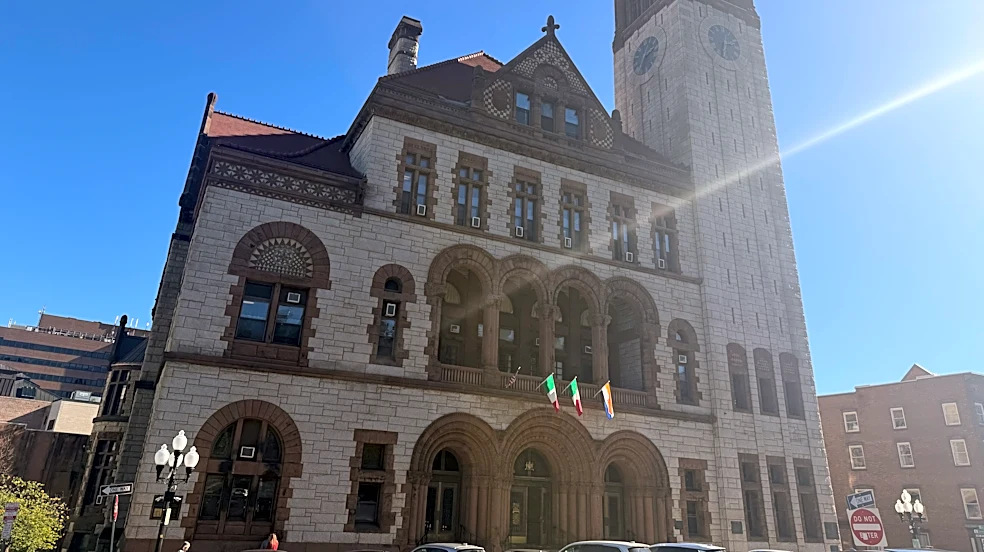
Nine members of Albany's Common Council have introduced a resolution that asks the state Legislature to allow the city to tax the earnings of nonresidents who work within Albany's city limits. According to the legislative measure, the city sees a "massive influx of nonresident workers every workday" that benefit from city services without contributing to the funding of them through annual property taxes.
But the proposal, which is up for debate during the council's Oct. 19 meeting, has been met with a swift and mostly negative response from both sides of the aisle.
Here's what to know about the possible
commuter tax.

Why does Albany want to tax nonresidents?
According to a memo sent to Common Councilmembers by city auditor Sam Fein on Oct. 13, 86.5% of people who work in Albany, or 107,281 individuals, live outside the city.
The proposal introduced by the Common Council asserts the tax would open a new revenue stream for the city by increasing city revenues "at a time of grave financial uncertainty, helping Mayor Dorcey Applyrs administration in its efforts to close the existing fiscal gap." Fein says a 0.25% tax rate could bring in $15.7 million annually and a 0.45% tax rate option could bring in $28.2 million per year.
Additionally, the sponsors of the measure say the proposed tax would shift a portion of the tax burden away from city residents and more evenly distribute the tax burden to nonresident workers in the city.
"Albany needs new ideas to generate recurring revenue without increasing the burden on Albany residents to ensure long-term fiscal stability and help rebuild our fund balance," Fein's memo reads. The city currently has a negative $10.7 million unassigned fund balance, according to Fein, who also says the state comptroller has projected Albany to face a $26 million deficit in 2026.
Several state lawmakers strongly oppose proposed Albany commuter tax
Even if the proposed commuter tax is approved by the Common Council, it still needs a vote from the state Legislature, which might be tricky.
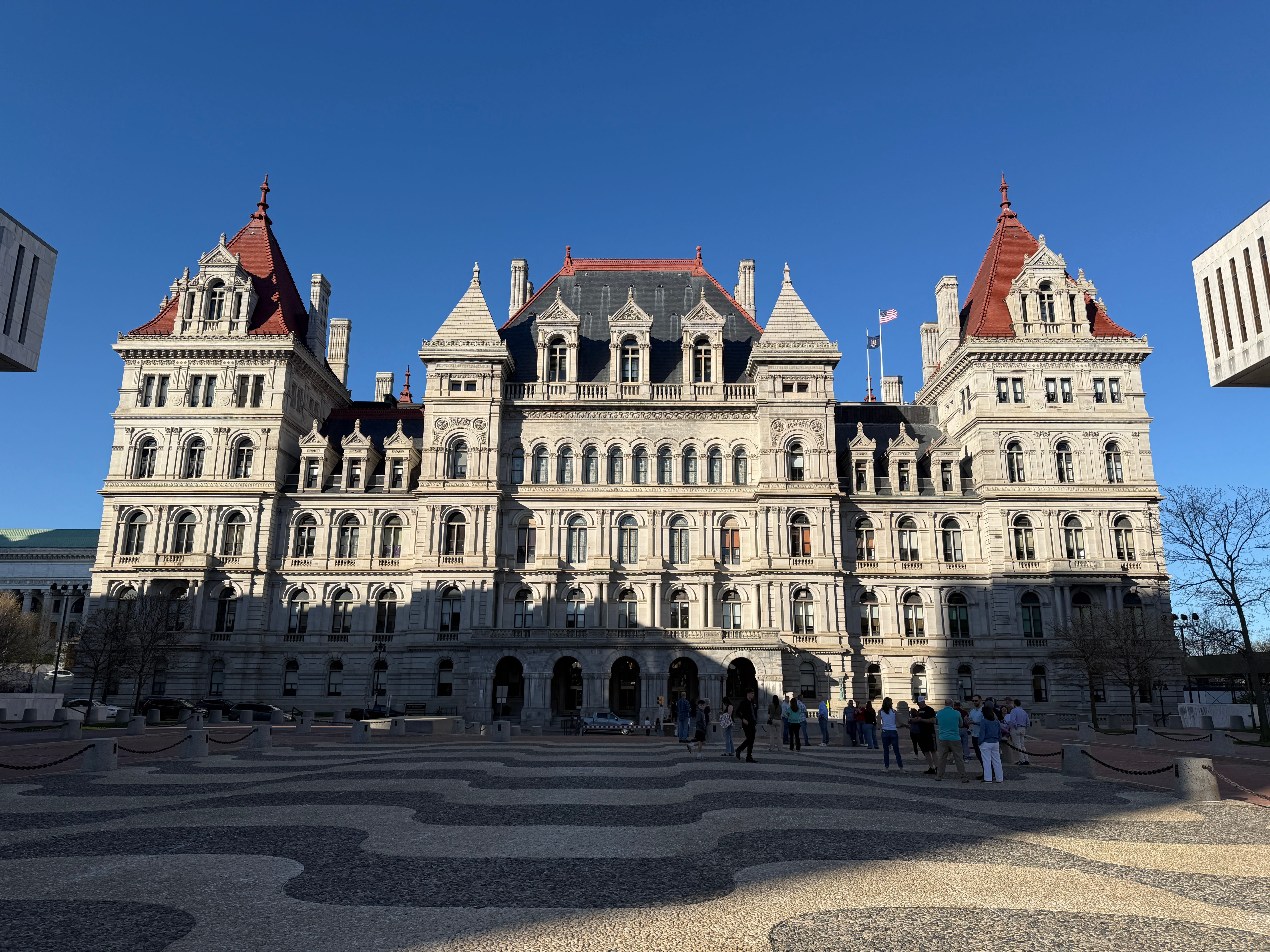
Sen. Pat Fahy, a Democrat who represents the city of Albany as well as surrounding Montgomery County and parts of Schenectady County, is calling it "the wrong approach." And another Albany-area lawmaker, Assemblymember John McDonald, says he won't support the proposed tax, adding that it will lead to a loss of business, tax base and residents.
"I understand the challenges that the City of Albany is facing financially and respect the fact that the Council wants to reduce the tax burden on residents of the city; however, I do not believe this approach is the solution," McDonald said.
The Democratic representative also made note of the state's decade-long contribution to the city through its Capital City Aid allocation in the state budget, which helps balance out the fact that more than half of all property value within the city is tax-exempt.
Assemblymember Angelo Santabarbara, a Schenectady and Montgomery County Democrat, called the tax "outrageous," "shortsighted" and "out of touch."
"These are people in our communities trying to earn a living and support their families," Santabarbara says. "They should not be punished just because they work in Albany."
Santabarbara added that it targets healthcare and restaurant workers as well as employees of other local businesses, saying "our upstate communities are not an open wallet for the City of Albany."
Two Republican state legislators have also publicly opposed the tax. Sen. Jake Ashby, who represents Rensselaer County and parts of Washington and Albany counties, says he'll "fight it every step of the way," adding that it's "unfair," "wrong" and "will intensify the city's self-imposed financial problems.
And Republican Assemblymember Scott Bendett is calling the proposed tax "a bad idea" and says it would "unfairly tax working families and residents" across his district, which includes parts of Columbia, Rensselaer, and Washington counties and the town of Bethlehem in Albany County.
What this means for the rest of New York state
The only other city in New York that currently has something similar to a commuter tax is Yonkers, which is what Fein says the city of Albany is drawing from for their proposed measure.
New York City had a similar measure called a non-resident earnings tax, but it ended in 1999. The city of Yonkers, however, has collected a non-resident earnings tax of 0.5% since 1984, Fein says. It was enabled by the state and and applies to people who live outside Yonkers but who earn wages in or do business in the city.
Through its tax, Yonkers uses a sliding scale that exempts up to $3,000 for earnings under $10,000, $2,000 for earnings up to $20,000, and $1,000 for earnings up to $30,000, after which the tax applies fully, according to Fein.
If Albany's proposal is passed by the state Legislature, the fact two cities decided to impose commuter taxes to address financial struggles could prove enticing to other cities across New York that are looking for similar methods for creating new revenue streams.
Emily Barnes covers state government for the USA TODAY Network-New York with a focus on how policy and laws impact New Yorkers' taxes, communities and jobs. Follow her on Instagram or X @byemilybarnes. Get in touch at ebarnes@usatodayco.com.
This article originally appeared on Rockland/Westchester Journal News: What this upstate city's commuter tax push means for rest of New York