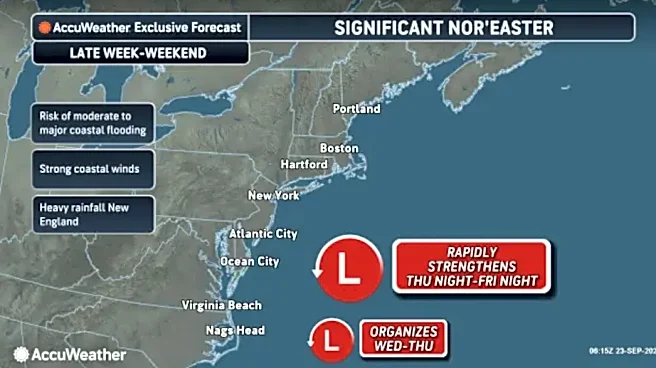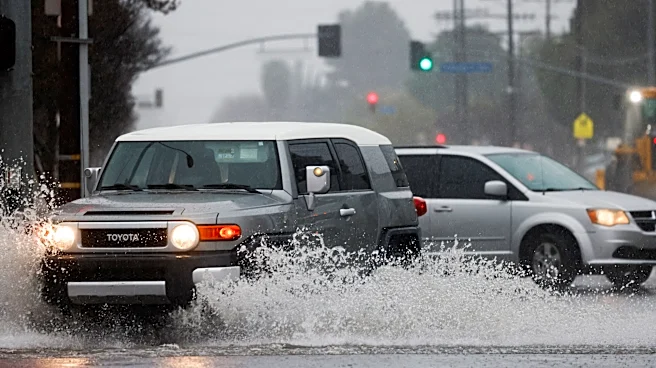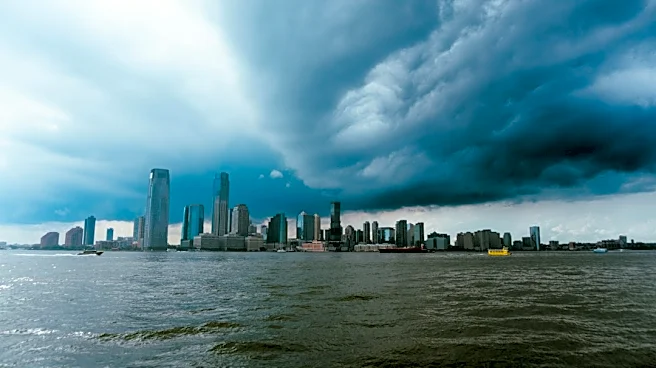

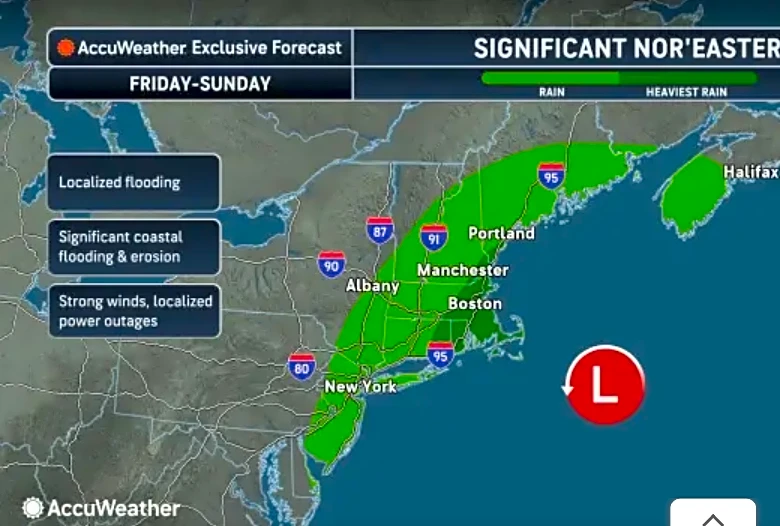


A storm system moving up the East Coast could strengthen into a nor'easter later this week, bringing periods of heavy rain, gusty winds and rough coastal conditions to parts of New York from Friday into the weekend.
While forecasts continue to evolve, meteorologists say the storm could affect parts of the state with rain, strong winds and potentially hazardous marine conditions. The exact impacts will depend on the storm's track and intensity.
What is a nor'easter?
According to the National Weather Service, a nor'easter is a storm that develops along the East Coast and is typically associated with strong winds blowing from the northeast.
Nor'easters usually develop near the Atlantic Coast between Georgia and New Jersey and often strengthen as they move northward. The
storms can affect communities throughout the Northeast, particularly along the heavily populated East Coast corridor.
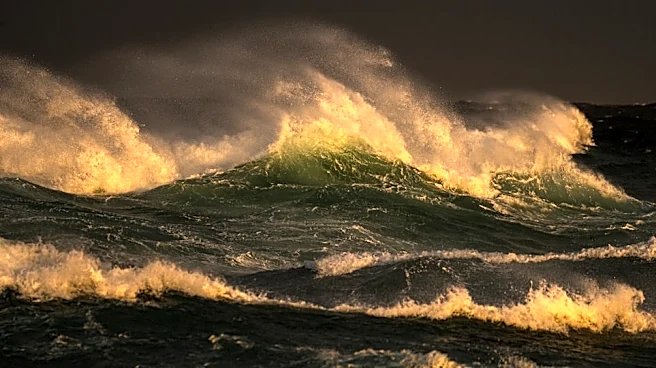
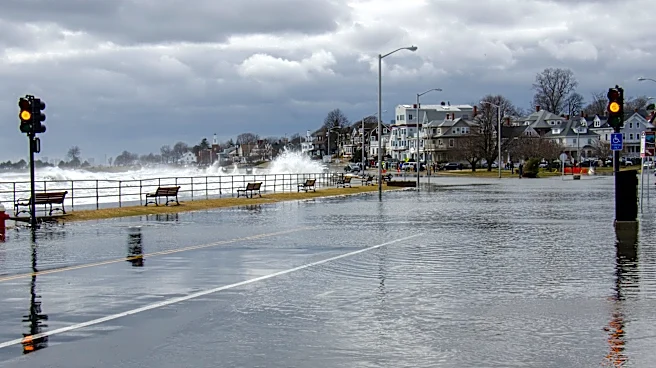
Though many people associate nor'easters with snow, they can occur in any season. Depending on the time of year, they may bring heavy rain or snow, strong winds, rough surf, coastal flooding and beach erosion.
When do nor'easters occur?
Nor'easters can develop at any time of year, but they are most frequent between September and April, according to the National Weather Service.
Fall nor'easters are more likely to produce heavy rain, strong winds and coastal flooding, while winter storms can bring significant snowfall and blizzard conditions to parts of the Northeast.
When could this storm affect New York?
Forecasters expect the storm system to move northward along the East Coast later this week, with impacts possible across parts of New York from Friday through Sunday.
The timing and intensity of the heaviest rain and strongest winds remain uncertain and will depend on the storm's eventual track.
Which parts of New York could see the greatest impacts?
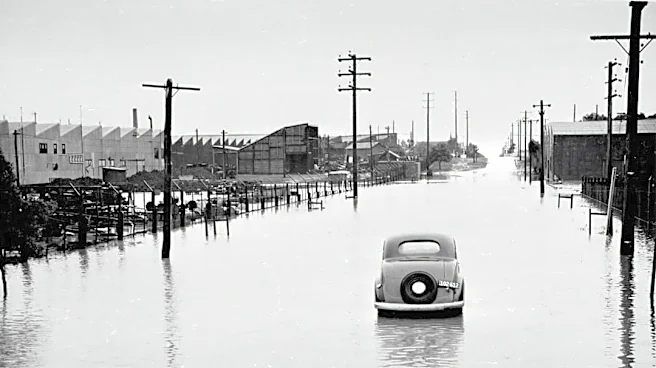
If the storm strengthens and tracks close to the coast, the greatest impacts are expected in New York's coastal communities.
Areas most vulnerable to strong winds, rough surf and coastal flooding include:
- Long Island
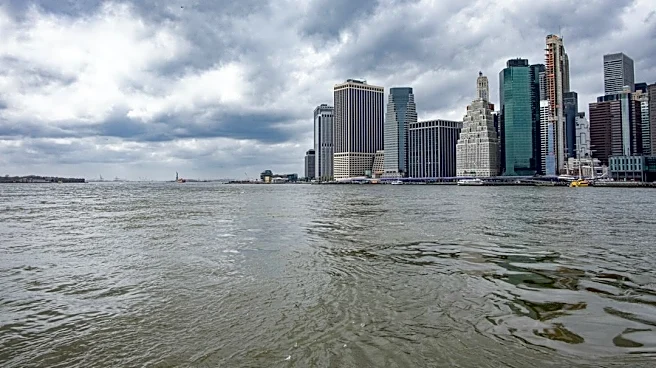
- New York City waterfront communities
- Other Atlantic-facing shorelines
Forecast confidence decreases farther inland, and it remains too early to determine whether upstate New York will experience significant impacts.
Why is it called a nor'easter?
The term "nor'easter" comes from the strong northeast winds that typically develop along the coast as the storm intensifies.
Those winds can push water toward the coastline, increasing the risk of rough surf, beach erosion and coastal flooding during stronger storms.
As forecasts are updated in the coming days, New Yorkers should continue monitoring local forecasts and weather alerts for the latest information on the storm's track and potential impacts.
This article originally appeared on Rockland/Westchester Journal News: What is a nor'easter? Here's what New Yorkers should know as storm approaches