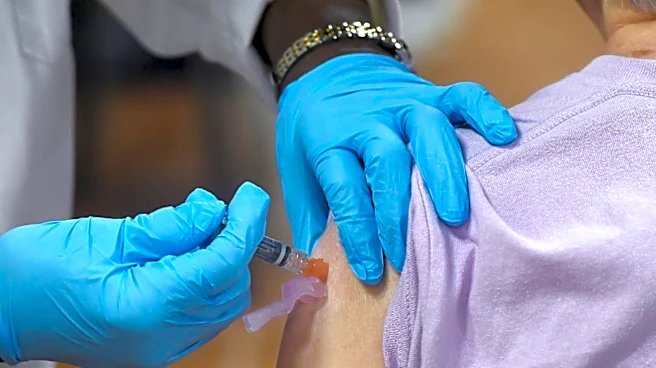








The best time to find a primary care provider isn't during flu season. It's before flu season begins.
Most people don't spend much time thinking about the flu in September. But last year's flu season offered a powerful reminder of how quickly respiratory illnesses can spread and how important it is to have a plan when they do.
During the week of Christmas, New York State reported more than 71,000 flu cases, the highest weekly total recorded since the state began tracking influenza in 2004. Just days later, the state recorded more than 4,500 flu-related hospitalizations in a single week, another record. By the end of the season, New York had reported more than 445,000 lab-confirmed flu cases and more than 26,000 New Yorkers needed hospital care.
And New York wasn't alone. Across the country, the last year’s flu season sickened millions of Americans and sent hundreds of thousands of people to the hospital.
Get the flu shot, connect with a primary doctor
When illness strikes, many people end up turning to urgent care or the emergency department because they aren't sure where else to go. Often, it's because they don't have an established primary care provider they can call for guidance, reassurance or an appointment.
For many families, getting sick is stressful enough. The last thing they need is uncertainty about where to go, how quickly they can be seen or what that care might cost.
Having an established relationship with a primary care provider removes some of that uncertainty. When you're sick, you already know where to turn. Instead of searching for care, you're calling someone who knows your health history and can help you decide what comes next.

That relationship matters. A provider who knows your baseline health is often better positioned to recognize when something has changed, spot concerns earlier and help ensure you get the care you need. That's not something you can easily replicate through a one-time visit.
Anyone who has cared for a child with a high fever, worried about a parent with worsening symptoms or tried to find care while feeling sick understands how stressful those moments can be. That's why knowing where to turn before you get sick matters.
It can also help families avoid some of the financial stress that can come with getting sick unexpectedly.
Research has found that treating common illnesses such as flu and upper respiratory infections costs an average of about $167 in a physician's office, compared with more than $2,000 in a hospital emergency department.
Every situation is different, and true emergencies should always be treated in an emergency department. But when care can safely be managed in a primary care setting, patients may avoid unnecessary costs and get care from someone who already knows them.
The benefits extend beyond individual patients. Better access to primary care helps ensure patients can get the right level of care while preserving emergency departments for heart attacks, strokes, traumatic injuries and other serious medical emergencies. It also helps ensure those resources remain available for the people who need them most.
Preparation counts this flu season
Flu season will come, as it does every year. None of us can predict when we'll get sick. We can be better prepared when it happens.
Before flu season arrives, don't just prepare for the flu. Get connected to care.
Find a primary care provider. Schedule a wellness visit. Establish that relationship before you need it.
Taking that step today can make it easier to get care when you're sick, manage costs more effectively and stay healthier throughout the year.
Scott Freiberg, MD, is Family Medicine Physician at Optum Medical Care in Mount Kisco, New York.
This article originally appeared on Rockland/Westchester Journal News: Flu is arriving in NY. Talk to a primary care provider | Opinion