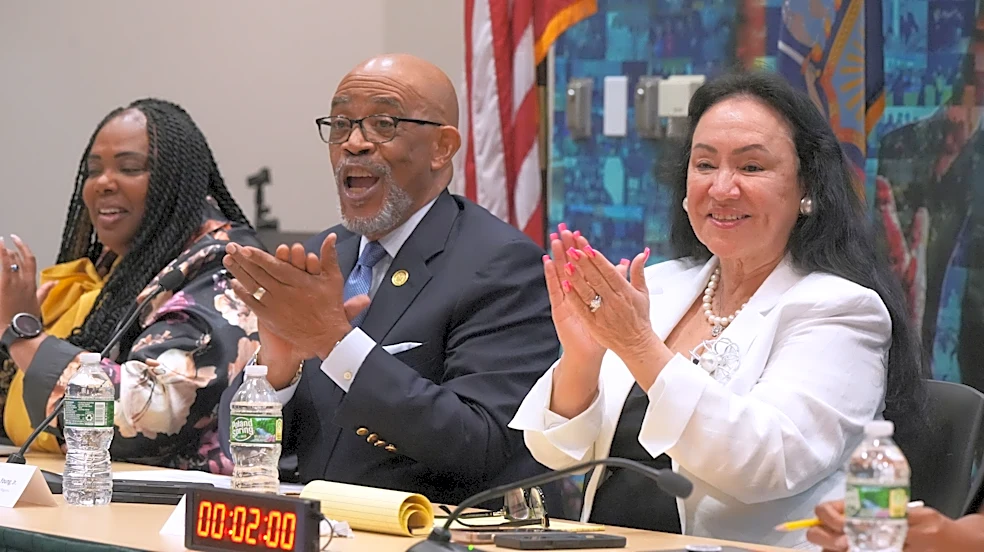


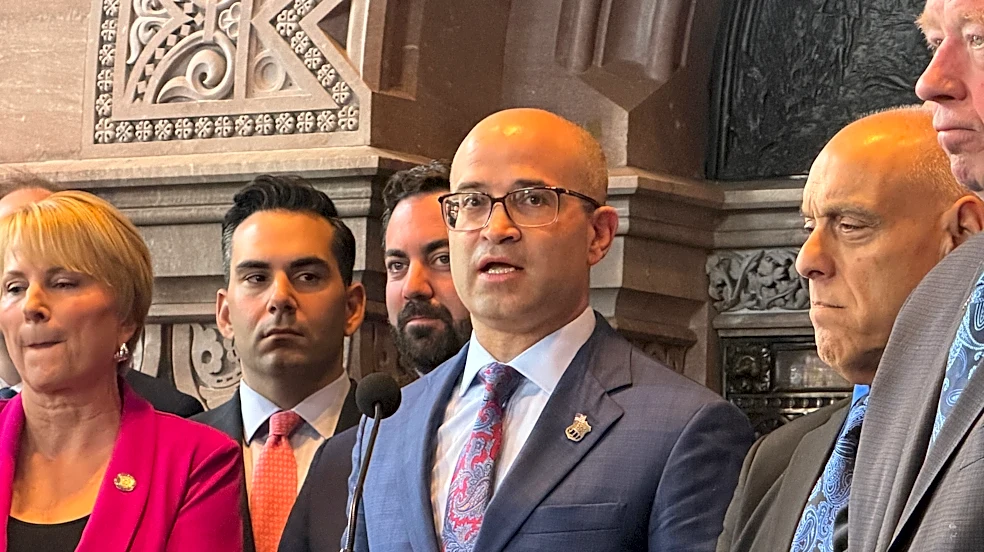

In 2024, East Ramapo schools announced budget cuts only for the district to later discover it had been sitting on $30 million in unrestricted fundingthat could have gone directly to students. In response, the NAACP New York State Conference, families, teachers, and students urged the State legislature and Governor Hochul to pass and enact Assembly Bill A10407A, which would establish common-sense checks and balances on East Ramapo schools to ensure families and their children receive the money and resources they need to succeed.Earlier this year, the legislature and Governor Hochul once again enacted the fiscal year budget without this common-sense oversight. In the face of their inaction, Superintendent Leslie Torres-Rodriguez revealed last
week that 52 percent of Ramapo and Spring Valley high school seniors are not on track to graduate.
The evidence is clear: East Ramapo students and their families cannot wait any longer. They desperately need Governor Hochul and the State legislature to step in, strengthen the State’s oversight of the school district, and establish financial checks and balances. It’s the only way they can prove their unwavering support to the school district and East Ramapo families.

Just 40 miles outside of New York City, East Ramapo and the East Ramapo Central School District have morphed into an example of 21st-Century Jim Crow, perpetuating deep inequities between its religious private schools and the public schools that predominantly serve Black, Hispanic, and Asian students. The highly segregated school system has suffered from decades of mismanagement and a dangerous takeover of the board from groups who do not have the best interests of public school students in mind.
Organizations like the NAACP New York State Conference and New York Civil Liberties Union have pushed for increased oversight by the State Education Department, which resulted in important strides for the district. Sadly, this institutional support from the state is at risk. Another reason why we–alongside students and families—have been calling on the State Senate and Assembly to establish financial oversight and strengthen the State’s control over the school district.
Not only is East Ramapo the largest district in Rockland County, but 96 percent of studentsattending public schools in the district are Black, Hispanic, or Asian, and over 80 percent come from economically excluded households. The damage done to these students and families at the hands of the school board cannot be overstated.

For decades, East Ramapo was home to some of the state's best public schools. The trajectory of the district radically changed in 2005, when the area’s private, religious schools won control of the school board and began systematically gutting public schools—a move not dissimilarto what we’re seeing from our federal government. The board eliminated hundreds of positions while simultaneously moving millions of taxpayer funds to support the district’s private religious schools.
As the board slashed funding for public schools, the school buildings fell apart, facilities were sold off to private schools for bargain prices, and minority students were exposed to rotten food, nonfunctional bathrooms, and a lack of clean drinking water. The district was also forced to cancel all summer school programs after hazardous asbestos was uncovered in the buildings.
The outcomes of these moves were catastrophic for students. The graduation rate for East Ramapo's public schools is 12 points lower than the statewide average and the dropout rate is almost three times the state average. Additionally, as a result of the systemic budget cuts, Moody’s Ratings–the credit rating agency–gave the district a Baa3 credit rating, only one level above junk. This makes it impossible “to obtain bank loans or financing to support desperately needed capital improvements.”
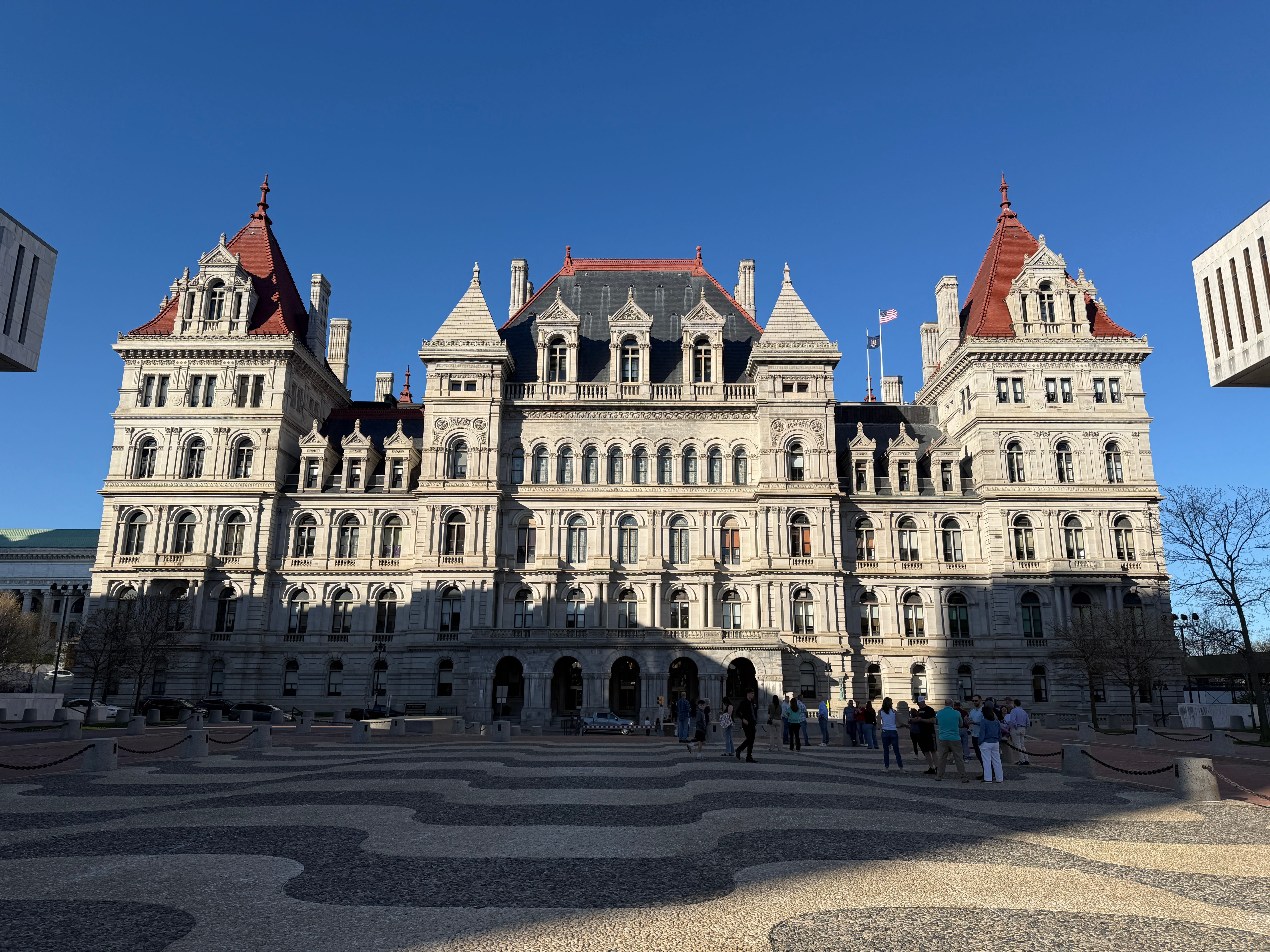
Some state interventions are working. The current superintendent is making necessary improvements—such as replacing the lead-contaminated water fountains. However, a financial audit found that there are millions of unspent funds. The bill in the State legislature would have ensured that the district has continued access to funds and that students would—at minimum—be provided with a “sound basic education.”
Each district may not look the same - a board takeover, a bad bill at the State legislature, or mismanagement at every level - but the results will be the same. Kids from lower-income families will become further disenfranchised, perpetuating cycles of systemic inequity. Our elected officials have ignored this issue for far too long. Without extreme intervention, too many kids across the state will face a similar fate as those in East Ramapo. It must stop now.
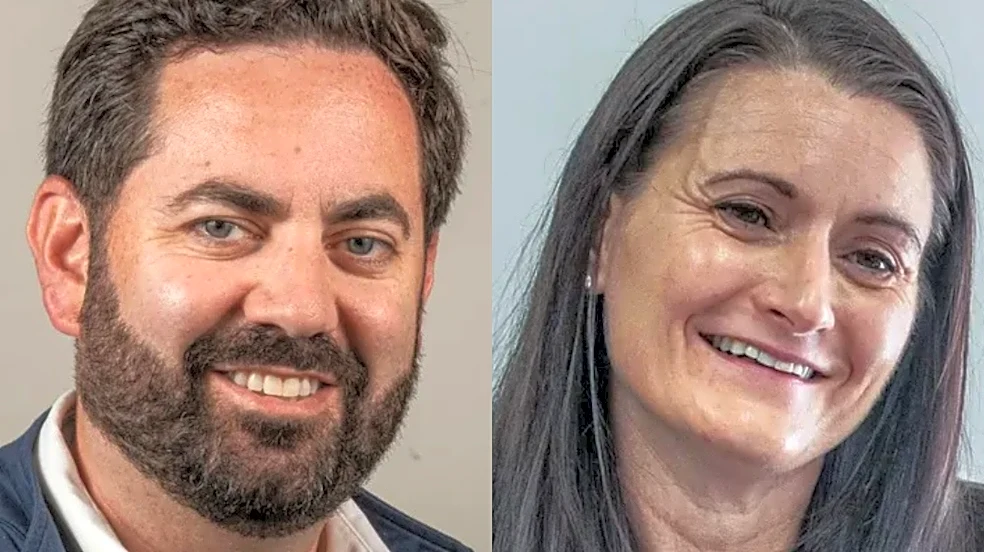
L. Joy Williams is the President of the NAACP New York State Conference and the Host of #SundayCivics on SiriusXM Urban View
Nicole Hines is the Regional Director of the Mid-Hudson & Westchester Regions of the NAACP New York State Conference
Willie J. Trotman is the Spring Valley New York NAACP Branch President.
This article originally appeared on Rockland/Westchester Journal News: Opinion| The Students of East Ramapo Deserve More: We Must Not Abandon Them