





American energy production now plays a larger role in U.S. national security than it did a generation ago. A country that can produce more of its own energy – and supply its allies when markets are disrupted – has greater freedom to act abroad and greater protection from economic shocks at home. That is the premise behind the new bipartisan Secure America Caucus, founded by Republican Rep. Julie Fedorchak of North Dakota and Democratic Rep. Josh Gottheimer of New Jersey. In this hyper-partisan era, bringing together lawmakers from different parties and different regions who share this fundamental conviction - that American energy production and American national security are inseparable -is a critical imperative.
The importance of this energy/security
connection is evident today in the Strait of Hormuz. For decades, the narrow waterway has been one of the world’s most important energy chokepoints, carrying a significant share of global oil supplies. Disruption there can quickly reverberate through energy markets and economies around the world.

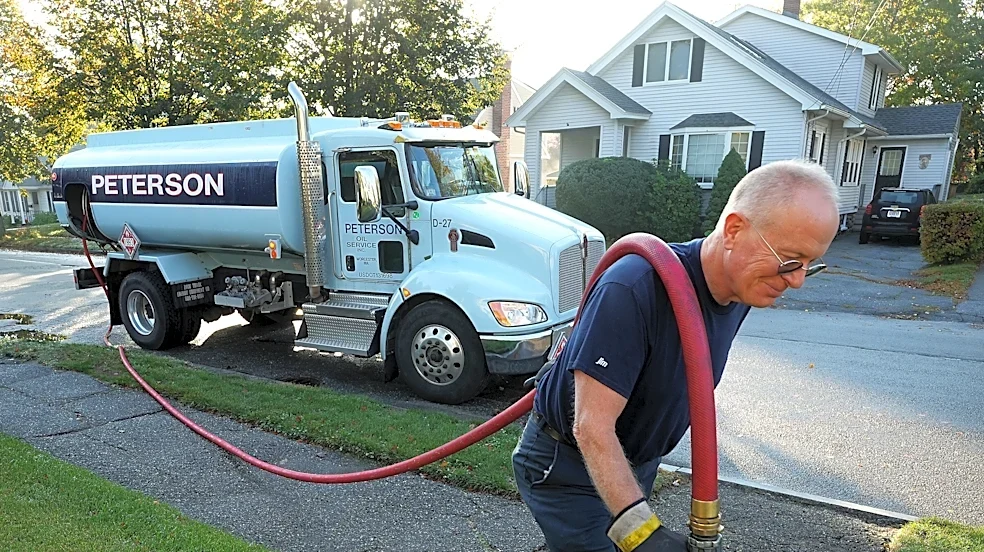
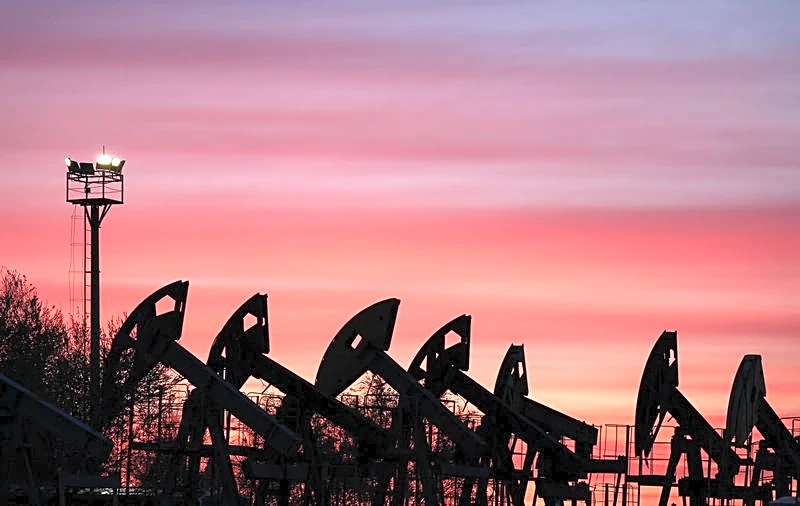
Americans old enough to remember the 1973 oil embargo know how differently such a crisis once affected the United States. America was far more dependent on foreign suppliers, leaving Washington with fewer options when hostile producers restricted supply. The consequences included fuel shortages, gas lines, rationing and severe economic disruption. Fortunately for all of us, the United States is in a different position today.After decades of investment, innovation and technological advancement, America has become the world’s largest producer of oil and natural gas and a major energy exporter. That does not insulate Americans from turmoil in global energy markets. Oil is a global commodity, and disruptions abroad can still mean higher prices at home. But abundant domestic production gives the United States considerably more resilience than it had during the energy crises of the 1970s.That resilience has consequences beyond the price at the pump. It affects the choices available to American presidents, the support the United States can provide to allies and the leverage Washington brings to negotiations with adversaries.The Middle East offers an important example. Six years ago, the United States brokered the Abraham Accords, which helped establish diplomatic relations between Israel and several Arab states, and opened new avenues for economic cooperation and security based on realistic, unsentimental analysis by capitals in the region. More and more, these countries now rightly recognize that Tehran, not Jerusalem, is their problem.

Before Hamas’s horrific October 7, 2023 attack on Israel, Saudi Arabia and Israel had been moving toward a similar normalization agreement. U.S. officials at the time believed that derailing that process was a major motivation for the attack. The broader point is irrefutable: a United States with substantial domestic energy resources has more strategic flexibility in dealing with the Middle East than one heavily dependent on the region for its energy needs. Domestic hydrocarbon production does not eliminate America’s interest in the security of global energy markets, nor does it remove the economic consequences of disruptions abroad. It does, however, give U.S. policymakers more room to maneuver.In diplomacy, options matter. So does the ability to withstand pressure from our adversaries. Oil that is produced in the Bakken Shale directly impacts American diplomacy in places like Riyadh and Tehran. That is the connection the Secure America Caucus is intended to examine: how American natural resources, its state level leadership, and energy capacity intersect with national security, foreign policy and our country’s ability to support its allies.This Caucus reflects the diversity of American bipartisanship and statesmanship. Co-Chair Congresswoman Julie Fedorchak is the at-large member from North Dakota, one of the nation’s leading energy-producing states, while Co-Chair Congressman Josh Gottheimer is a Jewish-American who represents northern New Jersey and has made the U.S.-Israel relationship and Middle East security a prominent part of his work in Congress.

Their partnership reflects a broader point: energy production and national security are not partisan issues, they are American issues. And domestic decisions concerning hydrocarbon production in the United States can impact the foreign policy options available to an American President.As of this writing, the caucus has more than a dozen bipartisan members of Congress including the Chairs of the Energy & Commerce and Homeland Security Committees, the Chair of the Western Caucus, and the Whip of the Problem Solvers Caucus. The Secure America Caucus is an effort to give this national security conversation a bipartisan home. James Tisch is the former CEO of the Loews Corporation and a former Board Member of the Federal Reserve Bank of New York; Harold Hamm is the founder of Oklahoma -based Continental Resources, one of America’s leading oil and natural gas companies. They serve as the Co-Chairs of the Council for a Secure America.
This article originally appeared on Rockland/Westchester Journal News: Opinion| New bipartisan caucus seeks security through energy independence