









Eighteen New York City-area beaches are under a swimming advisory due to water quality concerns, according to the New York City Department of Health.
The New York City Department of Health monitors water quality, weather conditions and environmental hazards at over 20 city beaches throughout the swimming season, which lasts from June to September.
Among those with the highest bacteria levels this week are two private swimming beaches in the Bronx - Schuyler Hill Civic Association and Whitestone Booster Civic Association.
Which beaches are under advisory?
According to authorities, the following 18 New York City beaches are operating under a water quality advisory:
- Cedar Grove beach in Staten Island
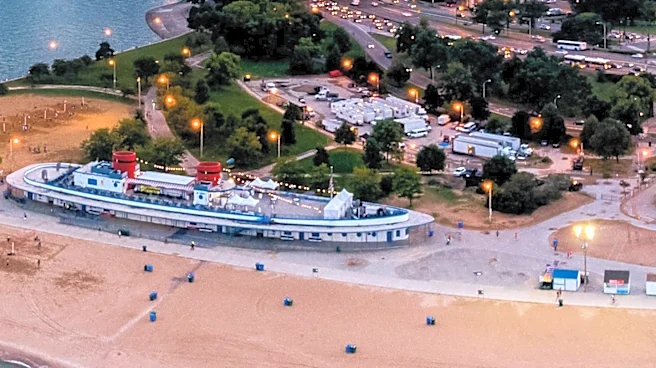
- Coney Island in Brooklyn
- Manhattan Beach in Brooklyn
- Midland Beach in Staten Island
- South Beach in Staten Island
- American Turner, a private beach club in the Bronx
- Danish American Beach Club, a private beach club in the Bronx
- Douglaston Manor in Queens
- Gerritsen/Kiddie Beach in Brooklyn
- Kingsborough Community College, a private beach in Brooklyn
- Morris Yacht Club, a private beach club in the Bronx
- The Schuyler Hill Civic Association beach, a private beach club in the Throgs Neck section of the Bronx
- Sea Gate 42nd Street, a private beach in Brooklyn
- The Strand, a private beach club in the Bronx
- Trinity Danish swimming club, a private beach club in the Bronx
- West Fordham Street Association in the Bronx
- White Cross Fishing Club in the Bronx
- TheWhitestone Booster Civic Association, a private swimming beach in Queens
How does New York City monitor beach water quality?
Health officials sample and monitor each city beach once or twice a week during the swimming season to identify possible
pollution sources and to provide information about each beach's conditions.
Water quality is measured in "most probable number" per 100 milliliters (MPN/100 mL), a potential estimate of how much bacteria is present in a water sample.
According to the New York State Department of Health, testing for enterococci and E. coli bacteria helps determine whether water may be contaminated by fecal pollution.
State standards set the maximum allowable concentration for a single sample at:
- 104 enterococci per 100 mL in marine water
- 61 enterococci per 100 mL in freshwater
- 235 E. coli per 100 mL in freshwater
What affects beach water quality?
Water samples are tested for contaminants and conditions that can affect public health, including:
- Bacteria
- Floatable debris
- Animal waste
- Medical or infectious waste
- Toxic contaminants
- Petroleum products
- Sewage or wastewater discharges, particularly after heavy rainfall
Beach advisory vs. beach closure
A beach advisory means bacteria levels are elevated and swimming or wading is not recommended, but the beach remains open.
A beach may be closed to swimming and wading when:
- Environmental conditions, such as severe weather, create a public safety risk
- Water quality fails to meet health standards
- A high number of illnesses or injury complaints are reported
- Hazardous amounts of debris, infectious waste, toxic contaminants or petroleum products are present
- Sewage or wastewater discharges affect water quality
This article originally appeared on Rockland/Westchester Journal News: 18 NYC-area beaches under swimming advisory due to elevated bacteria levels