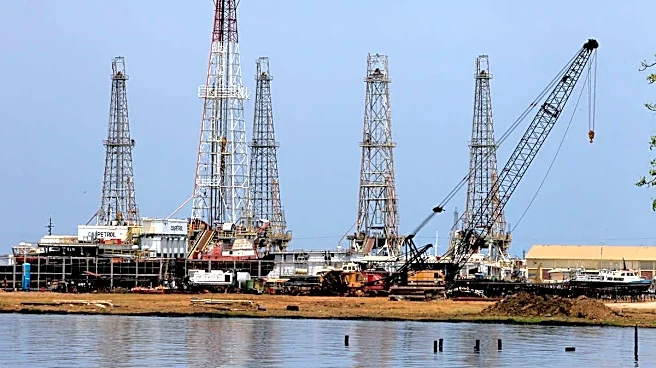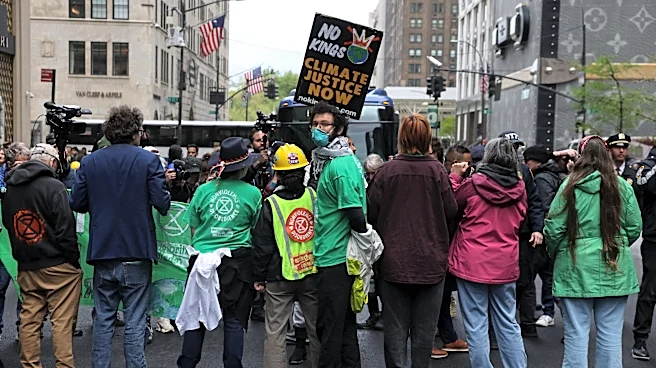




A New York state law requiring major oil and gas companies to pay the state for their environmental impacts was blocked by a federal judge.
Judge Brenda Sannes in the U.S. District Court for the Northern District of New York struck down the state's Climate Change Superfund Act on Monday, Aug. 31, ruling that New York "can't impose strict liability of energy companies for their alleged contributions to global greenhouse gas emissions," according to the U.S. Department of Justice.
The act, championed by Sen. Liz Krueger, a Manhattan Democrat, and Assemblymember Jeffrey Dinowitz, a Bronx Democrat, and signed by New York Gov. Kathy Hochul in 2024 would force companies like ExxonMobil, Saudi Aramco and Chevron to pay $3 billion annually so the state
can invest in addressing the impact of climate change.
Overall, the regulation was expected to bring in $75 billion over the course of 25 years and be used to fund projects such as building drainage systems, adding sea walls and restoring wetlands.
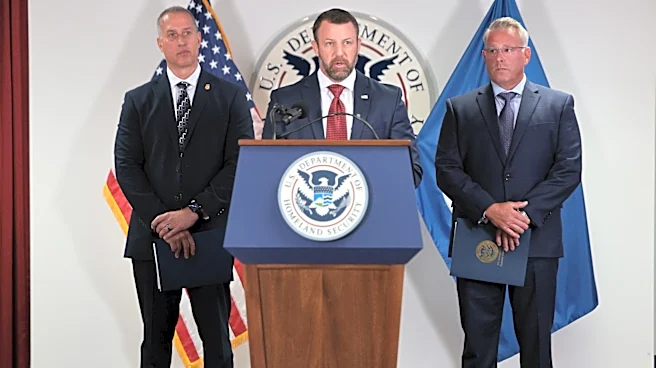
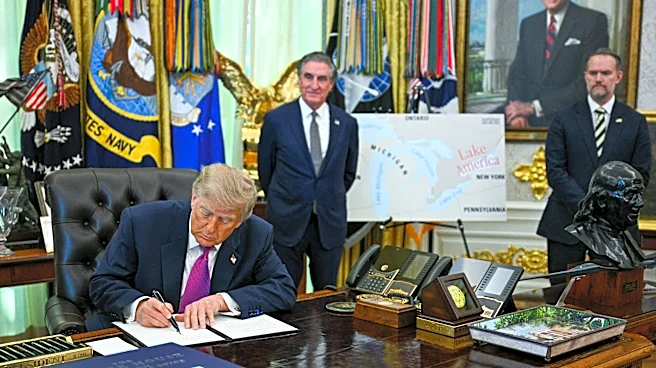
"The Department of Justice is delivering on President Trump's order to protect American energy from state overreach," said Adam Gustafson, principal deputy assistant attorney general of the DOJ's Department of Energy and Natural Resources Division.
"New York's law would have expropriated $75 billion from energy companies around the world during an energy emergency and in direct defiance of American foreign policy and federal law," Gustafson added.
Here's what to know.

New York climate advocacy groups, lawmakers disappointed by ruling
Krueger seemingly wasn't surprised that the law she advocated for is facing legal challenges on Tuesday, Sept. 1, but says it will be appealed. Neither the state Attorney General's Office nor Hochul's office have confirmed an appeal of the ruling as of Tuesday evening.
"I have always said that there would be many rounds of legal wrangling before the Climate Change Superfund could begin to provide relief for New Yorkers," Krueger said, adding that the state's residents are "on the hook for over half a trillion dollars" in climate change adaptation costs.
"New Yorkers cannot afford to be left holding the bag for someone else's mess," she continued. "The fight to implement the Climate Change Superfund and protect New Yorkers' lives and livelihoods is only just the beginning, and though this decision was disappointing, I am confident that higher courts will deliver the decision New York families desperately need."
Climate advocacy groups in New York are also expressing their disapproval of the ruling.
"What New Yorkers know for sure is that the damages caused by the worsening climate are hammering their wallets and unless this decision is reversed, they will face higher taxes or reduced public services — or both — to the tune of $75 billion," New York Public Interest Research Group senior policy advisor Blair Horner said.
And Food & Water Watch's senior staff attorney Erin Doran called the decision "a minor detour on the road to successfully holding egregious fossil fuel polluters accountable for the deepening climate chaos they have helped create."
"New Yorkers are footing a massive and growing bill for climate adaptation and mitigation to keep communities safe from deadly floods, fires and heat waves," Doran added. "Big Oil must pay its fair share, relieving the burden from everyday New Yorkers who are suffering the consequences of this industry's decades of recklessness."
Both NYPIRG and Food & Water Watch are urging New York Attorney General Letitia James to file an appeal of the ruling. The AG's Office referred the USA TODAY Network to the governor's office for comment.
"Taxpayers shouldn't have to foot the bill for damages caused by polluters," says Ken Lovett, senior communications advisor on energy and environment for Hochul's office. "We are reviewing the decision to determine possible next steps."
How the act's opponents are responding to the ruling
The Climate Change Superfund Act faced heavy pushback from oil and gas companies from the start as they asserted it would "only stall the innovative progress underway to accelerate low-carbon solutions," according to previous USA TODAY Network reporting.
Another outspoken opponent of the law's passage has been the Business Council of New York State, which applauded the judge's decision.
"This decision underscores the concerns we have continued to raise surrounding New York's Climate Change Superfund Act," the organization's President and CEO Heather Mulligan said in a statement.
"While we certainly support efforts to improve our state's climate and environment, it's equally important that these policies are both sound and recognize their impacts," Mulligan continued. "This law would likely result in billions of dollars in increased energy costs for New York businesses and residents."
Emily Barnes covers state government for the USA TODAY Network-New York with a focus on how policy and laws impact New Yorkers' taxes, communities and jobs. Follow her on Instagram or X @byemilybarnes. Get in touch at ebarnes@usatodayco.com.
This article originally appeared on Rockland/Westchester Journal News: Judge blocks New York Climate Change Superfund Act. What it means