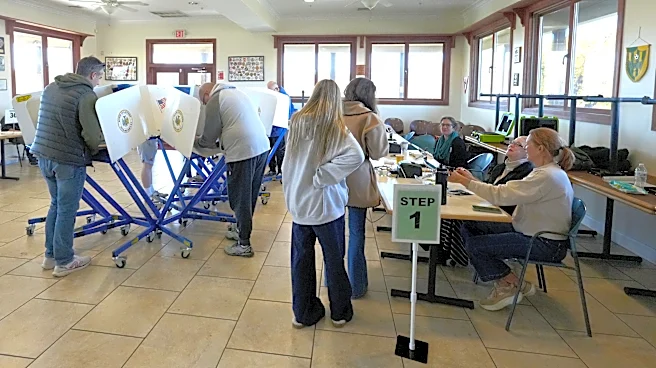




New York Republicans have renewed their quest to stop a switch to even-year elections for county and town offices that are set to appear on ballots across the state this fall.
Opponents have been battling to overturn a 2023 state law that required certain local races be moved from odd-numbered years to even years, when state and federal races are held and turnout is much higher. They lost a two-year fight in state courts last October, and in June a federal judge dismissed a second challenge brought in federal court by the state Republican Party and a slew of other plaintiffs.
But the decision allowed the case to be revived if various counties and towns were removed as plaintiffs, since they had been deemed ineligible. The state GOP brought it
back to court in Long Island last month with a smaller and slightly altered group of allies joining it in the challenge.
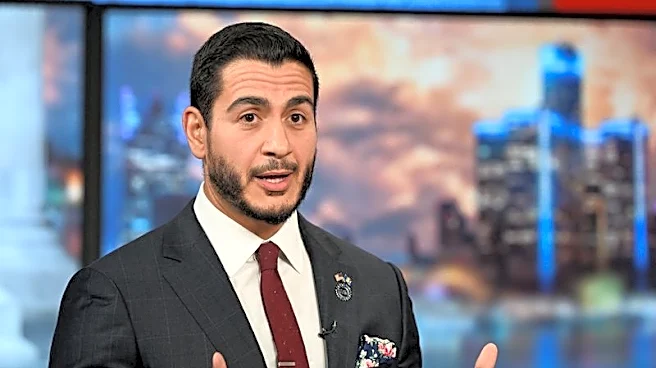
One of the case's new plaintiffs is Eastchester Supervisor Anthony Colavita, a Republican who has led his Westchester County town for 22 years. He was last re-elected in November and he must run again this year, since the usual terms for positions like his were shortened statewide to make the transition to even-year voting.
"Eastchester voters chose me to lead in 2025 — yet Albany made me run again in 2026 on a ballot engineered to submerge local candidates," he said in a statement when the court case was refiled recently. "Democrats rigged the calendar to drown us out, but I won't back down. I'll fight for our town's voice and for our Constitution."
How legal battle over NY shift to even-year elections unfolded
Democrats enacted the law over Republican opposition, arguing that turnout is dismal in off years and that getting more people to vote in local elections is good for democracy. Republicans and groups representing New York's counties and towns countered that local races would get lost in the noise of federal and state elections and should remain separate.

Republicans are raising a First Amendment objection in their pending federal case. They claim local candidates are being denied their free speech rights since their campaign messages may not be heard by voters and their names will appear at the end of ballots, after the federal and state candidates.
The law "deprives local candidates of a meaningful opportunity to convey their messages to voters by pushing their races to the bottom of what will become exceedingly long ballots," wrote the plaintiffs' lawyer, William Brewer III of the Manhattan firm of Brewer, Attorneys & Counselors.
The elected offices covered by the 2023 law include county executives and legislators, and town supervisors and council members. Wording in the state constitution prevented the law from also moving elections for cities and other county offices, such as district attorney and sheriff.
Democrats have proposed amending the constitution to move all remaining local elections except New York City's and village races to even years. Lawmakers passed an amendment bill in June and must do so again next year to put the proposal to New York voters in a 2027 referendum.
The transition to even-year voting begins this fall. In Westchester, for example, all 17 county legislator seats were up for election last year and are back on the ballot this year, with terms shortened by a year as a one-time adjustment. The same goes for 14 town supervisor races around the county, including Colavita's re-election bid in Eastchester.
Chris McKenna covers government and politics for The Journal News and USA TODAY Network. Reach him at CMcKenna@usatodayco.com.
This article originally appeared on Rockland/Westchester Journal News: GOP renews court fight to stop even-year shift for NY local elections