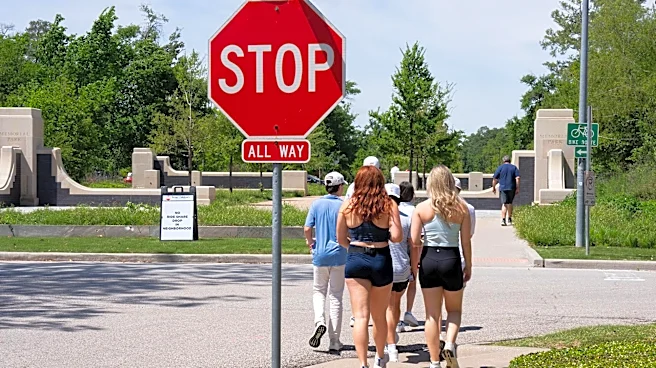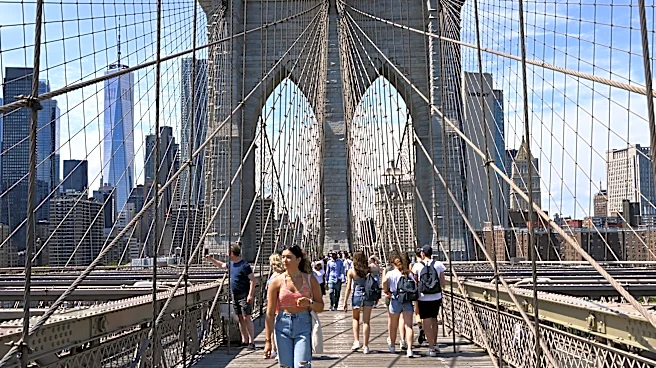




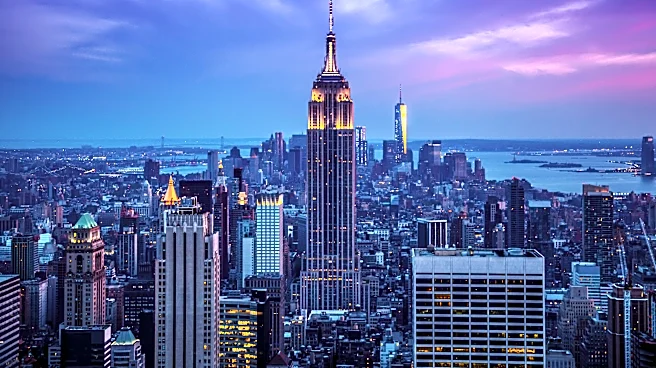
Despite New York often being associated first with its largest city, a new study suggests many residents see the state’s identity reflected in its historic neighborhoods, tree-lined streets and distinctive suburban communities.
To determine which residential areas best represent each state, the Justin Havre Real Estate Team surveyed 3,021 people nationwide, asking respondents to identify the neighborhood that best captures their state’s character.
“People don’t just connect with a neighborhood because the homes are attractive,” a spokesperson for the Justin Havre Real Estate Team said. “The places people choose are not generic versions of ‘nice.’ They are neighborhoods with memory, personality and a clear sense of where they belong.”
Here’s how
New York neighborhoods ranked.
New York neighborhoods ranked for sense of place
The study found that 78% of New York respondents said they are proud of the residential character of their state, with many valuing neighborhoods with historic architecture and strong local identity.
The top three New York neighborhoods were:
No. 1: Garden City, Long IslandGarden City was recognized for its Tudor and Colonial Revival architecture, spacious streets and connection to both metropolitan New York and nearby beaches.
No. 2: Park Slope, BrooklynPark Slope was selected for its 19th-century brownstones, iconic stoops, walkability and classic urban character.
No. 3: Hudson Historic District, HudsonThe Hudson Historic District was highlighted for its upstate river-town identity, featuring Federal and Victorian homes along the Hudson River.
What homebuyers want in a neighborhood
The nationwide survey found that local character remains an important factor for many Americans when choosing where to live.
About 66% of respondents said they would pay more to live in a neighborhood with a strong local identity, while 46% said they specifically prefer communities that feel distinctive and connected to their surroundings.
At the same time, 51% of respondents said newer developments are still doing a good job reflecting local character.
Among those who felt newer neighborhoods lacked a sense of identity, the most common complaints included:
- Homes looking too similar: 32%
- Lack of historic architecture: 17%
- Not enough mature trees: 13%
- Too many nearby chain stores: 13%
What makes a neighborhood feel unique?
According to the study, a neighborhood’s identity is shaped by more than just architecture. Respondents said the biggest factors contributing to a community’s sense of place were:
- People and community: 31%
- History: 21%
- Natural setting: 13%
- Overall atmosphere: 8%
- Architecture: 7%
How the rankings were determined
The Justin Havre Real Estate Team conducted the survey of 3,021 respondents to identify the residential areas that best capture the character, appearance and lifestyle of each state and province.
The study, published July 9, 2026, used consumer opinions to measure how residents view local identity and what makes neighborhoods feel representative of their communities.
This article originally appeared on Rockland/Westchester Journal News: New York’s most 'unmistakably New York' neighborhoods ranked