



The people who keep Westchester County’s families thriving too often cannot afford to live here.
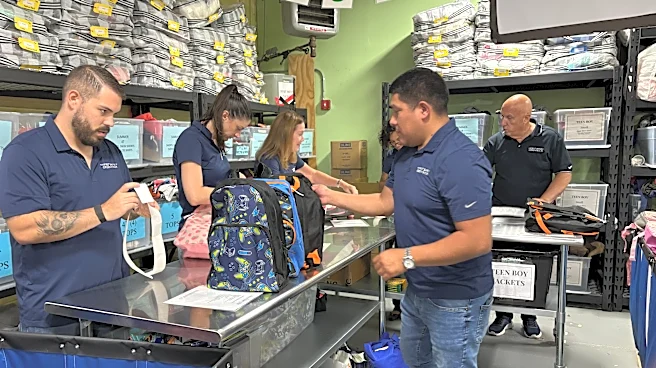
Teachers, emergency responders, nonprofit employees and retail and service workers are among those who are increasingly being pushed out of living in Westchester’s communities due to lack of available affordable housing options — and we need to do more to address it.
Westchester boasts growing population — but we have a shrinking workforce
In April, Westchester County Executive Ken Jenkins noted that the average county home price was nearly $1 million. At the same time, the U.S. Census Bureau reported that Westchester outpaced every other county in New York State in terms of population growth between 2024 and 2025 and had reached its highest population ever – an estimated 1,015,743 residents.
This might be surprising given
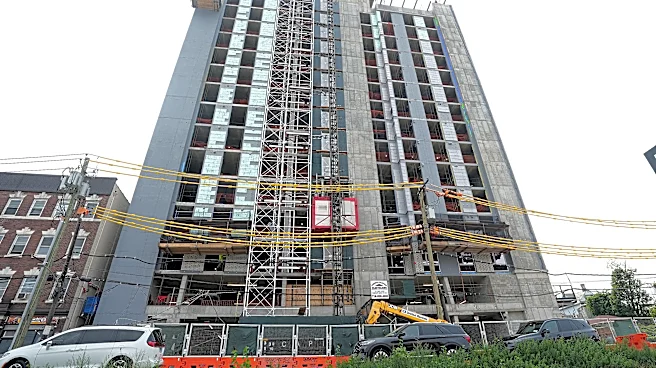
the surge in housing construction in the last seven. And it’s true. With help from the County Executive and his policies, Westchester has been building, but just not enough.
Between 2010 and 2024, approximately 27,000 housing units were added — many of which qualify as transit-oriented development — but rental vacancy rates have still fallen to an historic low of 1.9%. Those who have been able to find apartments have seen their rents increase by 46% on average over the past decade, according to “Building Growth,” a joint 2025 report by the Regional Plan Association, or RPA, and the Westchester County Association, or WCA. One major exception to this is New Rochelle, a city that has made it easier to build smartly, utilizing sites such as empty parking lots. However, as a county, we are currently still short 21,000 additional units, a shortfall that could grow to a whopping 77,000 by 2040.
The RPA/WCA study found that failing to close the housing shortage gap could mean losing 12,000 jobs in Westchester — costing the county up to $742 million in annual earnings. Fewer jobs mean less vibrant and bustling downtowns, fewer young working people building futures in Westchester and more families leaving our region for more affordable alternatives.
Myth-busting Westchester school enrollment
When new housing has been proposed anywhere, local residents often have a lot of concerns about the impact it may have on their community, including traffic, parking, stormwater and aesthetics. But within the many top-rated school districts in the county, nothing prompts more fear or engenders more skepticism than the prospect that new housing will flood the local schools with new students.
But the reality is the growing population hasn’t affected school enrollment. And that’s because the populations that are growing the most are those ages 60 and up — by large margins. In fact, between 2020 and 2024, Westchester’s population of residents under 20 and between 40-59 actually declined. In new developments, there is “a surprising lack of impact” on school occupancy, according to RM Friedland’s 2024 “A Frontline Report of New Development in Westchester County, New York” report. The data looks at case studies across 40 school districts — only four experienced increases in school enrollment between 2018-2023, and those were negligible (less than 1.45%). Moreover, none of those communities — Ardsley, Dobbs Ferry, Elmsford and Yorktown Heights — saw significant residential development during that time.

Other research done by the Welcome Home Westchester campaign on multifamily developments’ impact on school enrollment in towns and villages specifically found that in none of the 100+ unit multifamily residential projects examined did children associated with the project and enrolled in the local school district equal or exceed one percent of the school’s total enrollment. Far from sending school taxes surging, each of the developments currently netted the districts a school tax surplus, even when factoring the per pupil costs of educating the new students.
We need a welcoming Westchester
According to the Hudson Valley Pattern for Progress’ 2026 “Out of Reach” report, the average Westchester County renter is cost-burdened — meaning many households are spending more than 30% of their income on housing. Many individuals are spending above 50% of their income on housing — making them severely cost-burdened.
The current rate of development is a good start but still remains short of what is sustainable for Westchester’s future. New York State, Westchester County and most importantly — each city, town and village in Westchester needs to take action to engage in smart growth practices that ensure a Westchester that continues to be vibrant and welcoming to all who wish to live and work here.
Sarah Tavares is the engagement and communications manager of Welcome Home Westchester, a multistakeholder advocacy effort consisting of business and nonprofit leaders, companies involved in homebuilding and the development of housing, academics, think tanks, anti-homelessness advocates, climate activists, faith leaders and community advocates working together to drive a new public conversation around fixing the housing shortage in Westchester County.
This article originally appeared on Rockland/Westchester Journal News: Why our neighbors are struggling to stay in Westchester | Opinion