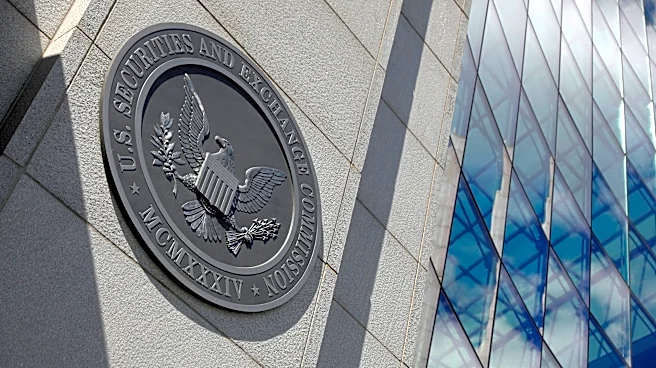




For the past 10 years, New York’s Attorney General and the state’s Division of Consumer Protection have warned residents about scammers trying to access bank and retirement accounts with a simple message: don’t click the link. Now the Securities and Exchange Commission, or SEC, is proposing a new rule that will require investors to do exactly what those warnings tell them to avoid.
The proposal is called Regulation E-Delivery, and it significantly changes how we receive sensitive financial information. The shift may sound administrative, but it would change the everyday fraud-risk calculation for millions of people — especially older Americans.
What would Regulation E-Delivery do?
If you have a retirement account or mutual fund shares, the documents that tell you what is happening
with your savings arrive on paper unless you ask for them electronically. Regulation E-Delivery reverses that arrangement so that electronic delivery becomes the default.
The option to receive electronic files has existed for years, and anyone who prefers digital delivery can easily choose it.

Under the proposal, documents containing your personal financial information will not be mailed to you directly. Instead, you will receive an email notice saying a document is available, with a link to a website where you can go retrieve it.
That’s exactly how phishing scammers take advantage. For years, public and private organizations in New York have warned people not to click links in unexpected emails about their accounts. They tell people to log in on their own or call the number on a trusted statement. The SEC proposal risks normalizing the very behavior we have been taught to avoid.
The risk is not theoretical. In New York alone, residents over the age of 60 reported losing $408.7 million to online fraudsters — the fourth highest in the country — in 2025. The FBI reports that phishing and spoofing are now the most frequently reported crime committed against Americans over 60, and the numbers are climbing fast. In 2023, older Americans filed 2,856 phishing complaints with the FBI. Last year, they filed more than 48,000.
It doesn't have to be this way. Investors who want electronic delivery can already choose it. The SEC shouldn't move everyone else onto it by default, exposing them to all the risks that come with it.
This isn’t an argument against technology. It’s about letting New Yorkers choose how they want to receive important financial information, and how much risk they’re willing to take on in the face of surging online crime.
New Yorkers should make their views on Regulation E-Delivery known
The comment period on Regulation E-Delivery closes on Sept. 21, and the SEC needs to hear from New Yorkers who would live with the consequences of this change. Anyone can submit a public comment — you don’t need a lawyer or special expertise. Explain how you, an older relative, or someone in your community will be affected it sensitive financial notices arrive via email by default. Especially when criminals are already exploiting similar delivery patterns.
Efficiency matters, but efficiency should not come at the expense of investor choice or fraud prevention.
New Yorkers over 60 lost hundreds of millions of dollars to internet crime last year. That includes scammers skilled at sending convincing emails. Before the SEC makes email the default channel for sensitive financial information, it needs to hear directly from the people who bear the risk.
Marie Clarke is president of the Envelope Manufacturers Association, based in Alexandria, Virginia.
This article originally appeared on Rockland/Westchester Journal News: New Yorkers still require paper retirement statements | Opinion