

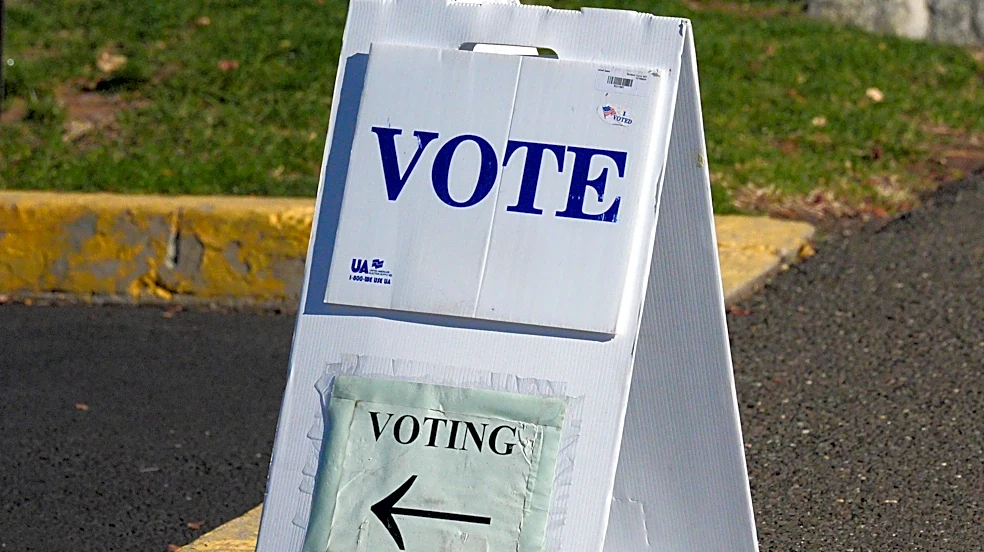

New York Democrats are betting that changing when New Yorkers vote will change who wins elections. But that bet might be a risky one.
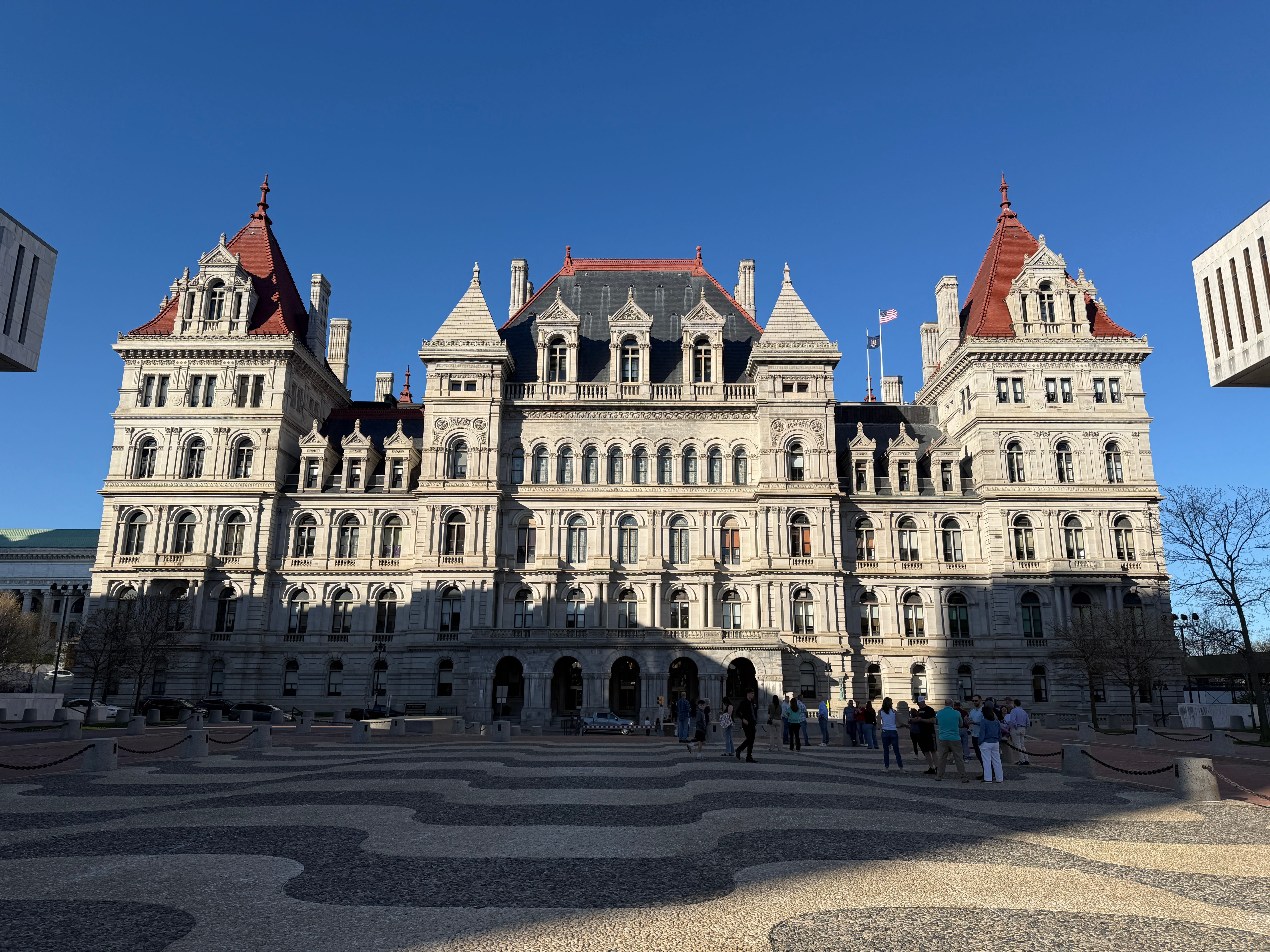
Earlier this year, the State Legislature gave first passage to a proposed amendment to the New York State Constitution that moves most of the state’s remaining local and judicial elections to even-numbered years. The amendment could go before voters as early as November 2027.
The proposal is the latest step in an effort that began in 2023, when Albany enacted what became known as the Even Year Election Law. That law moved nearly all town and county elections outside New York City from odd-numbered years to even-numbered years. The new constitutional amendment would go further, moving nearly every remaining local
office onto an even-year election cycle.

There is a reason New York and many other states historically separated local elections from federal and state elections. Local elections needed their own political space. A town supervisor or county clerk shouldn’t have to compete for the attention of voters who were also following much better funded presidential or congressional campaigns.
Like the 2023 law, this amendment received near universal support from Democrats in the state legislature. GOP legislators unanimously opposed the proposal.
The partisan divide is not hard to understand. Democrats believe that their candidates for local office will benefit from the larger electorates produced by even-year elections. But that may not be correct, and this highly partisan maneuver by Democrats might not pay off.
Consider 2022. That was an even-numbered year, and New York Republicans far outperformed expectations. Lee Zeldin came within six points of being elected governor, and the GOP made historic gains in congressional races.
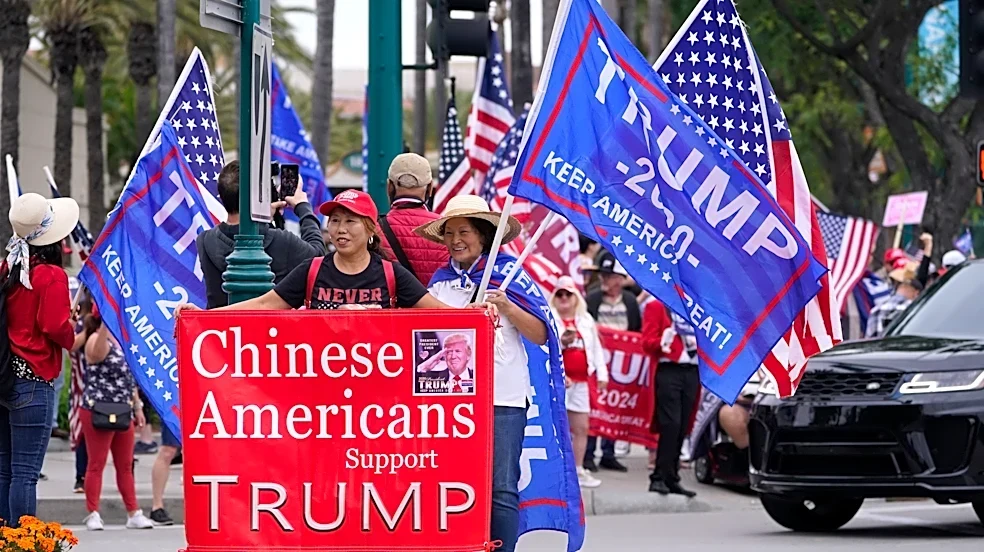
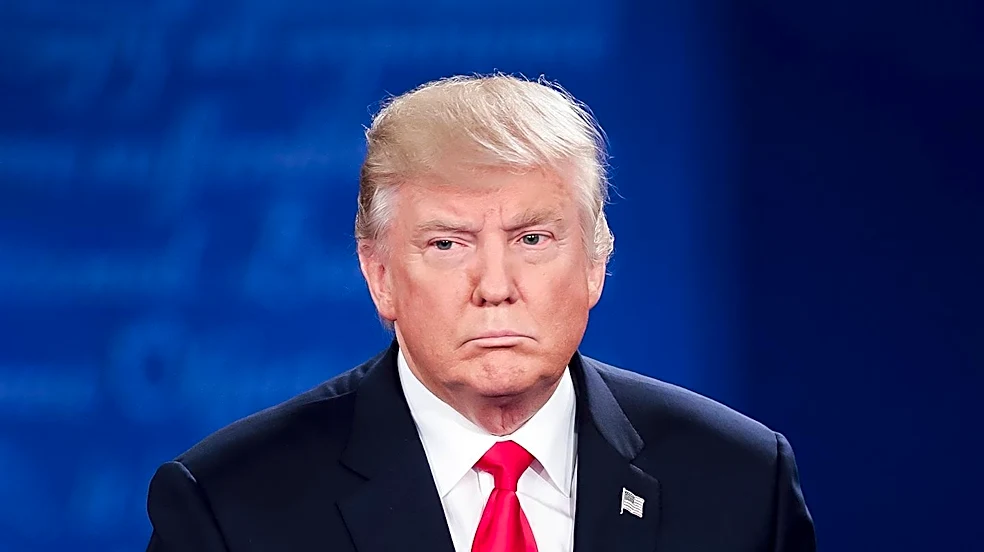
2024 wasn’t much different. President Trump may have lost the state, but New York produced the largest vote shift toward him of any state in the country. In New York City, Trump’s 2024 vote totals were the best by a GOP presidential candidate in decades.
The 2022 and 2024 results don’t mean that New York is about to become a red state. But 2022 and 2024 suggest that there is nothing inherently Democratic about a high-turnout, even-year election.
After all, political coalitions change, and national trends have an impact. Designing an election calendar around an assumption about which party will benefit from high turnout is bad policy and dumb politics.
Like all amendments to the state constitution, this proposal must be approved in a referendum. But if this amendment eventually does go before the voters of the state, it won’t be the first time New Yorkers were given a chance to express their feelings on moving local elections.
Just last year, New York City voters were given an opportunity to move their own local elections onto even-year election cycles. That proposal failed with approximately 53 percent of voters voting “no.” Of the 978,611 “no” votes, one stands out: Zohran Mamdani’s.

As a member of the state assembly from Queens, Mamdani voted in favor of the 2023 bill that moved nearly all of the state’s town and county elections to even years. That law did not affect elections in New York City.
It is hard – maybe impossible – to reconcile Mamdani’s vote as an assemblyman to move local elections outside of New York City to even years and his decision as a voter to keep his city’s local elections on odd-year election cycles.
But those, like Mamdani, who like seeing New York City’s elections occurring in odd-year cycles have little reason to worry that this will change. Under the proposed amendment, elections for city offices in all of New York State’s cities except for New York City would move to even-year cycles, leaving New York City as the only municipality in the entire state to have elections regularly occurring on odd-numbered years.
With a special carveout like that written into the state constitution, few could argue with a straight face that this entire effort has ever been about anything other than partisan politics.
Supporters, of course, may not get the political advantage they desire, and the likelihood of it backfiring could be much higher than those championing this change realize. Ultimately, however, it is the voters of New York who will have the final say and will determine if an amendment to the state constitution, motivated by partisan political calculations, should become law.
Joseph Burns is a New York-based partner in the Holtzman Vogel law firm.
This article originally appeared on Rockland/Westchester Journal News: Opinion| Democrats play political games with New York’s elections