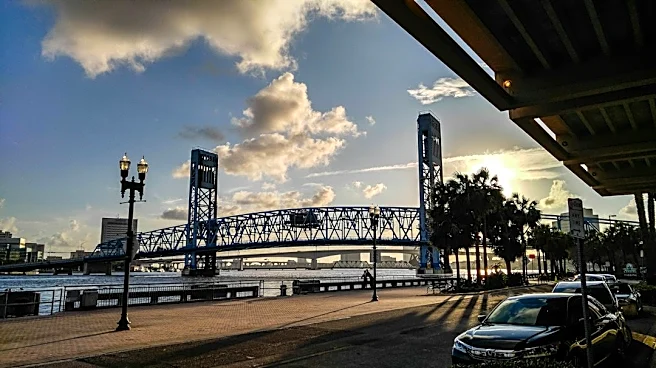





Our St Johns River is a wonderful and amazing complex ecosystem with many moving parts.
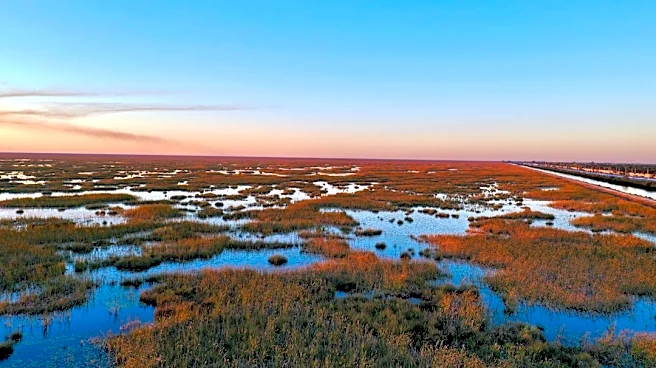
Its drainage basin covers almost 9,000 square miles, which is roughly one sixth of the entire state of Florida. Within that large area comes an incredible system of tributaries that drain the swamps, marshes and other wetlands along its 310-mile length. They range in size from the Ocklawaha River which is the largest tributary flowing into the St. Johns to the tiny drainage ditches that border roads and fields.
Also included in the drainage matrix are the lawns, roads, parking lots and the countless number of homes, shopping centers and big box stores. The water running into these ditches and streams contain vast amounts of nutrients including the dark-colored
tannins from decaying plant material that gives the St Johns River its appearance of iced tea. But the water also contains a variety of pollutants including heavy metals, oils and greases, fertilizers and other man-made chemicals.
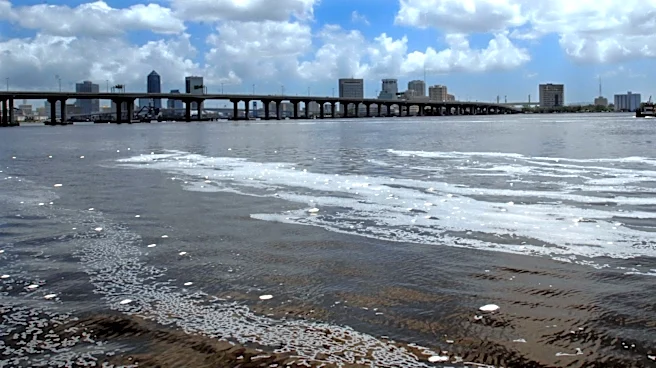
So, it is not too surprising that when people see lines of white foam in the river, there can be concern.
In most cases, foam on the surface of the river is a natural occurrence, caused by organic compounds released from those same decomposing plants and algae. These compounds reduce the surface tension of water, allowing bubbles to form more easily when the water is agitated by wind or wave action. The foam can be pushed by the wind or currents into long lines, called foam lines that are frequently observed in the St. Johns River. These foam lines often form when two different streams meet. The change in water chemistry can cause microscopic algae to die and release lipids and proteins into the water.

While it may look strange, naturally occurring foam is not usually harmful. It tends to be off-white or brownish in color and will often have an earthy or fishy smell. It may stick to the shore, collect near piers or in eddies and change in volume depending on conditions. The foam lines that occur are the result of water movement that aligns the foam parallel with the wind directions.
However, not all foam is safe. If you notice bright white foam with a perfume-like scent or rainbow sheen, it may indicate pollution from detergents or sewage overflow. Additionally, foam can sometimes be associated with Harmful Algal Blooms (HABs), especially if the water is also discolored or has a strong musty or rotten smell.

Exposure to HABs can cause rashes, eye irritation, respiratory symptoms, or more serious health issues for people and pets. Always avoid contact with water that looks suspicious and do not let dogs swim in or drink from foamy or discolored water.
Regretfully, HABs are almost an annual event in some portions of the St. Johns River. So, you are wise to look closely at any foam and be cautious.
Glad you asked River Life
Has there ever been a year without an Atlantic hurricane making landfall in Florida?
Yes, thanks to the strong El Niño this year there have been no hurricanes form in the Atlantic Ocean. It has been over a century since there were no hurricanes in the Atlantic.
According to historical records, in 1907 and 1914 there were no hurricanes in those years. In addition, there was a multi-year stretch from 2006 to 2015, then again in 2019 and 2025 where no hurricanes made landfall in Florida, with some passing offshore, while tropical storms did come ashore.
Reliable hurricane tracking did not start until the mid-'sixties'60, so earlier reports relied on ships and land observations. The first hurricane detected using imagery from space was from the TIROS III weather satellite when Hurricane Esther was detected on September 10, 1961.
River Life runs the first Tuesday of each month in The Florida Times-Union. Email Quinton White, professor emeritus and former executive director of Jacksonville University’s Marine Science Research Institute, with questions about our waterways at qwhite@ju.edu. For more on the MSRI, visit ju.edu/msri.
This article originally appeared on Florida Times-Union: Foam sometimes emerges on the St. Johns River, learn why