





Things are expensive these days and gardening is no exception. As a gardener, I will admit I am a bit greedy. Where blooms are concerned, I like plants that bloom for as long as possible. Bonus points if I can cut them and put them in a vase! Often people don’t know about the possibilities available in the world of plants. A friend came to my door recently and asked why my azaleas were blooming in September. When I told her they were reblooming azaleas, she was surprised that such a thing existed. They do and they bloom at least three times a year.
Hydrangeas also have reblooming varieties. They bloom twice a year.
But reblooming plants aren’t the only way to add more color to your yard for less money.
I have some small plants I bought years ago.
They are varieties of cast iron plants (Aspidistra), originally from China. They do best in partially shaded or shaded places. I thought they were a bit expensive when I bought them years ago. They have thrived in my yard and propagated themselves hundreds of times over. I keep separating them and spreading them in shady areas. Most of them are green speckled with creamy spots and some are green streaked with white stripes. What a great investment they turned out to be. A few years ago, at a flower arranging class, I learned how to use the leaves in arrangements. This week I noticed a larger one at a box store. It was the star of a larger pot. Beautiful!
This is a good time of the year to grow cuttings and divisions of many semi-woody plants that you would like to have as new plants in your yard. Propagating plants is a great way to get free plants from your own yard. It’s also a great way to grow plants to give as gifts to share.

You can do this with hydrangeas, azaleas, coleus, sedum, roses, and most landscapes plants. Some plants are better rooted in late spring. Look up your plant online before you try it.
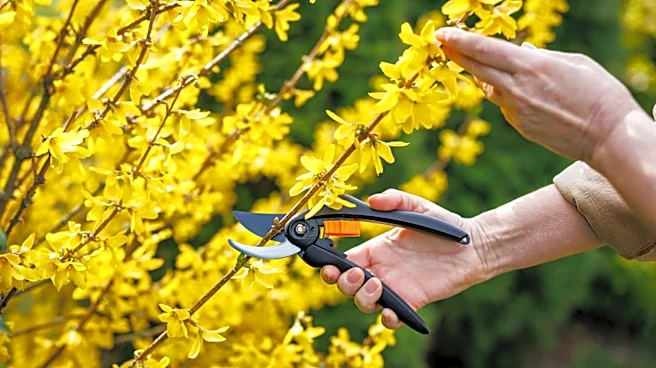
In most cases, cut a 3–4-inch cutting. Strip off all but the top two leaves of your cutting, taking care not to tear the bark. I snip off the leaves with cutters, so I don’t tear the bark. Dip the cutting in your sterilizing fluid (10% alcohol, Lysol, or bleach), then into the rooting hormone.
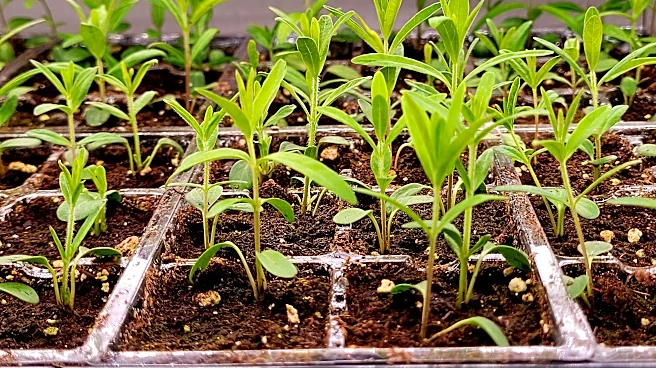
You need to have a clean container prepared filled with damp sterile soilless mix. That mix drains well and will help keep the root-less cuttings from disease. Plant the cuttings into the mix. I use an unsharpened pencil to make the hole. That way you are not brushing off the rooting hormone.
If you don’t have rooting hormone it is available at any garden center.
Cover the container with a plastic cover like a mini greenhouse to keep in the moisture while the plants grow roots.
The cuttings should be placed in a bright place, not in direct sunlight. In a few weeks they will have developed roots —sometimes in a week or so depending on the plant. A gentle tug on the stem will tell you when the roots have grown in.
Take more cuttings than you think you need. Not all cuttings will usually succeed. Remember that some of your cuttings are going to be dormant during the winter. Be patient.
You can also grow thyme, rosemary, and mint easily this way. You can root mint in water, although the plant will have to make an adjustment when you switch it from water to soil. It is not too early to begin preparing herbs for holiday gifts. Thai basil can also survive on a windowsill. You need several stems for a robust plant.
Some of my plants are producing seeds, giving me an opportunity to harvest the seeds to plant new plants. My black-eyed Susans are still blooming, but some of the blooms have seeds and, dried out on paper towels indoors, they can be captured in small plastic or cellophane bags. After a brief visit to the refrigerator in the spring, I can plant them on the surface of the soil and start a bunch of these beautiful plants.
My swamp milkweed has also produced seed pods, and I did not let them float around my yard to grow wherever they wanted. They will get planted too.
I have a ground cover that has grown to be too successful, so I will be pulling some of it up and repotting it, so that it can find new places to live. This is a form of division and works well when plants become too cozy. I use it with bulbs and other plants that can share their beauty elsewhere when they start overrunning their areas in my garden. Sharing is a time-honored practice in gardening. Happy fall gardening!
Becky Wern is a Master Gardener Volunteer with the Duval County Extension Service and the University of Florida/IFAS. For gardening questions, call the Duval County Extension Office at (904) 255-7450 from 9 a.m. to noon and 12:30 to 3:30 p.m. Monday-Friday and ask for a Master Gardener Volunteer.
This article originally appeared on Florida Times-Union: Add plants to your garden or yard for free with these simple tips