





It happened Christmas Eve four decades ago in 1985. A 17-year-old Jacksonville girl and University of North Florida student was abducted from her apartment, raped, beaten, stabbed and her nude, twisted body left in a ditch a few miles away.
There were suspicions on who could have murdered Leslie McCray
― including her boyfriend who also was a co-worker at Sliders Oyster Bar ― but the case went cold for years and years.With advances in technology and the diligence of investigators and the Jacksonville-based nonprofit Project: Cold Case, newly submitted DNA evidence led to an arrest in 2021 of a man serving two life sentences in Michigan for multiple sexual batteries in 1988.
David Nelson Austin, 65, was charged with first-degree murder, two counts
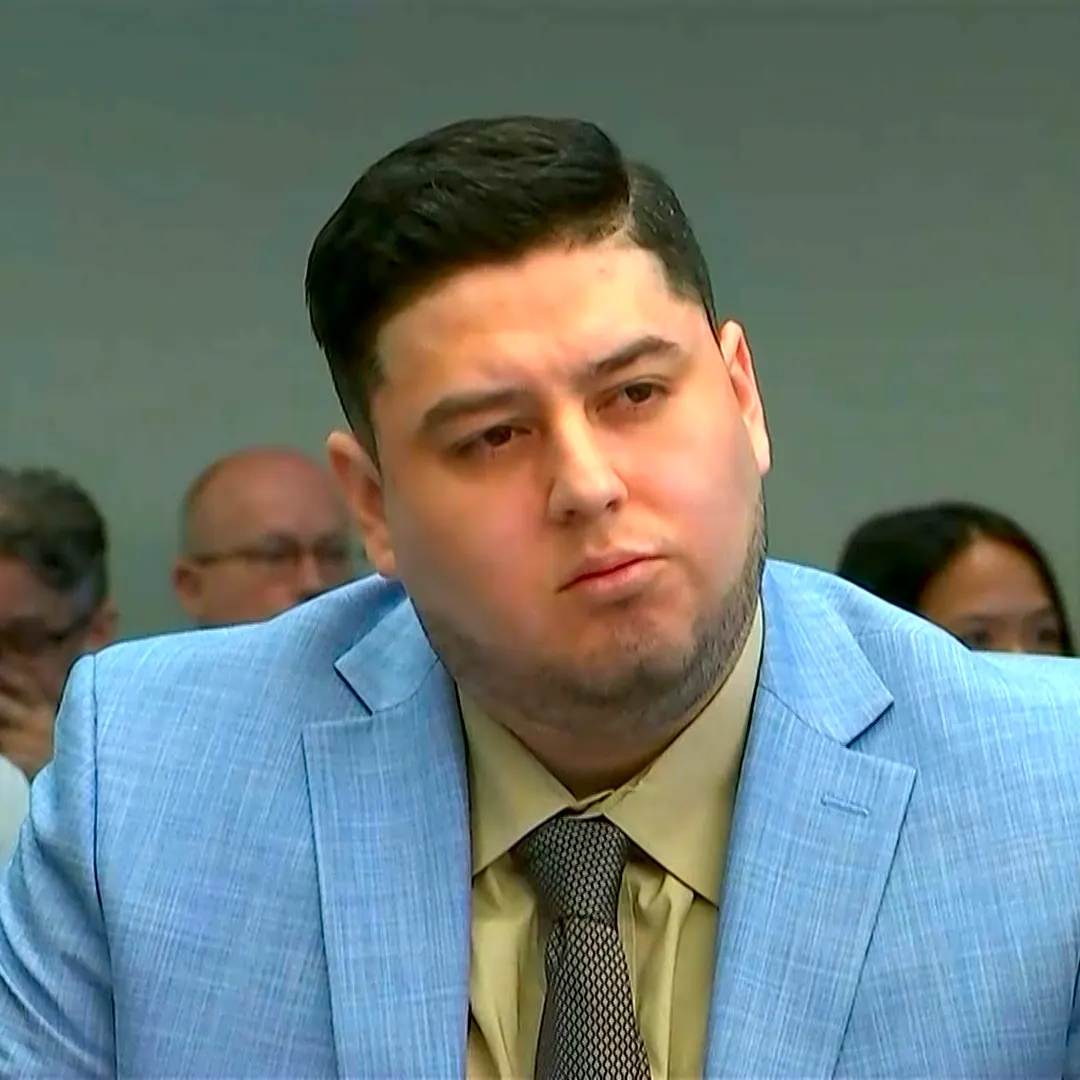
of armed kidnapping and one more of armed sexual battery. On Thursday, Oct. 22, Judge Meredith Charbula found him guilty after he had waived having a jury decide his fate and left the decision up to the judge. He will be sentenced at a later date.
Austin had previously lived in the same duplex, so his attorney explained that's how his DNA emerged and was the sole piece of evidence for the charges.
What happened to Leslie McCray
McCray had been last seen at a bar across the street about 1 a.m. that Christmas Eve before returning to her duplex apartment off St. Johns Avenue, according to testimony from a cold case detective. In the original reporting in 1985, her boyfriend said he was awakened about 3 a.m. by a man beside his bed with a knife who tied him up and took McCray.
The boyfriend was able to eventually get loose and call police about 6 a.m. McCray's body was found about three hours later off Old Middleburg Road near a JEA substation, police said. There was not signs of forced entry at the scene.
Detectives found evidence at the scene but nothing to merit an arrest, and the investigation was ultimately suspended in 1986. In April 2020 investigators re-submitted evidence with newer technology and got a lead on a possible suspect.

"A DNA profile was matched to an inmate in the Michigan corrections database," Chief T.K. Waters said during a news conference with State Attorney Melissa Nelson and McCray's family at the time. "JSO cold case detectives traveled to Michigan to interview the suspect in April of 2021. More tests were carried out to confirm this match through the evaluation of a direct sample."
McCray's family said she was fun-loving, quick to make people laugh and wanted to be a model.
While in Jacksonville, Austin had five arrests from 1984 to 1986. One was an attempted sexual battery and two were burglaries, but they were dropped according to court records.
How did Leslie McCray's boyfriend respond?
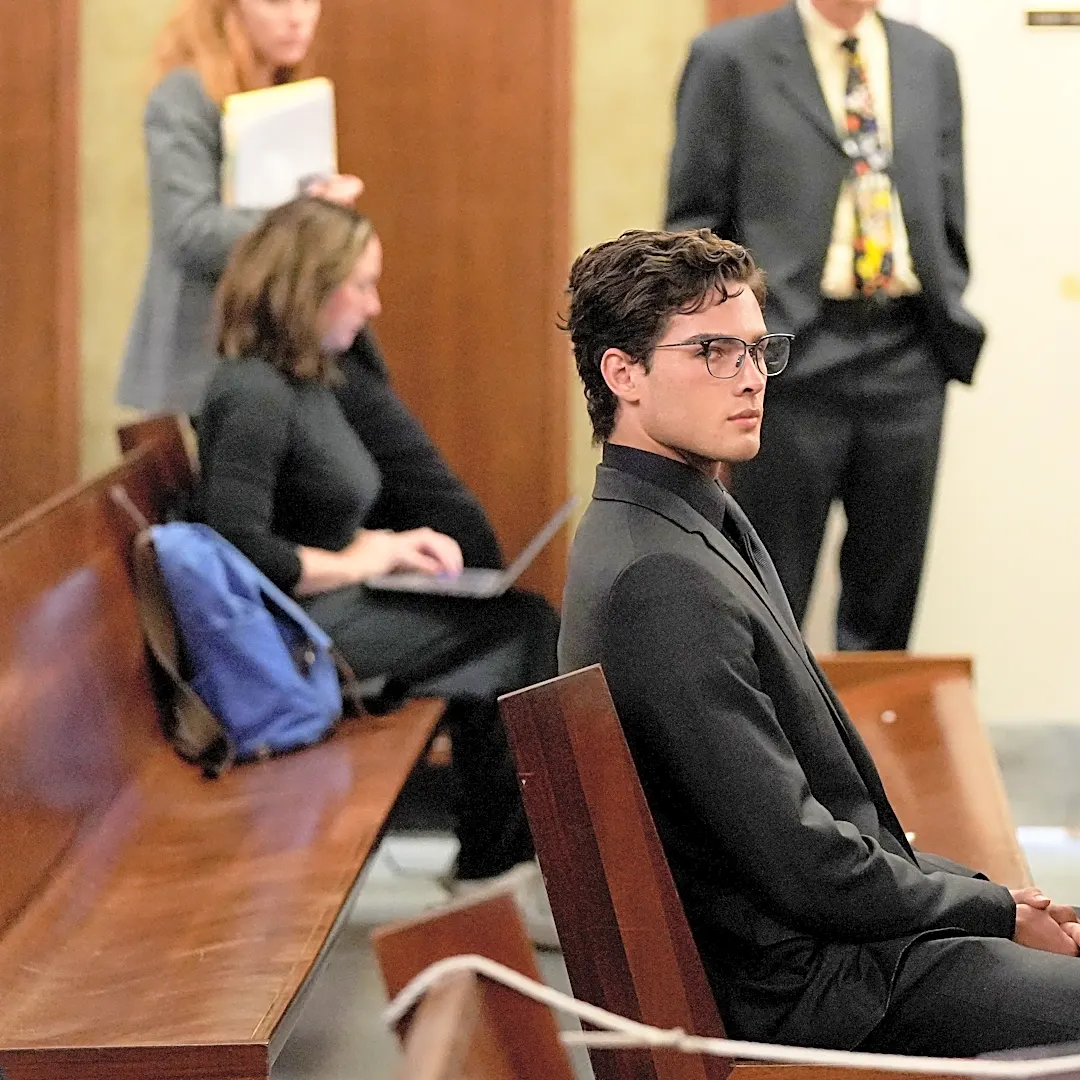
Edgar "Wood" McCurry, now 61, testified that he and McCray weren't a couple, but friends and roommates who had eventually become intimate but only a few times. He said they had an open relationship and there was no animosity between them. They had only lived there for about a month and had separate bedrooms. He said he was sick the night of the murder but was sleeping in McCray's bed. When she got home that night, he said she gave him some cold medicine.
He said they were awakened by an intruder who he believed had a knife and tied him up. He said he could hear McCray pleading for the man not to cut her.
"I felt terrorized and scared and shaky," he said.
McCurry, who knew he was considered a possible suspect, said he continued to cooperate with police, including agreeing to take a polygraph, although it was never set up. He said he thought the man could have been one of his friends, but it was too dark and he couldn't provide much of a description. He also said he didn't know or recognize Austin.

Under questioning from the defense, McCurry repeatedly responded "I don't recall" to multiple questions such as when he and McCray had sex, how many times did he sleep in her bed, whether she took a shower when she got home that night and did he go to a Christmas party the day before. He also had some contradictory statements about seeing the knife and being able to identify the intruder's race. Also at issue was whether there was any indication of markings on his wrists and arms in an evidence photo to support his account of being bound tightly with straps.
A newly assigned cold case detective confirmed in court that McCurry was a suspect for years. She became involved in 2019 and met with him and obtained a cheek swab of DNA. However, she said he was eliminated as a suspect because the autopsy didn't link his DNA. She couldn’t confirm that a break-in had previously occurred at their duplex and doesn’t know if McCurry’s vehicle was ever searched. McCurry also said he didn't know if the latter was searched.
Austin also was a suspect and when she interviewed him in prison in Michigan, he said he was a bartender at Groucho's and had been in the Navy for a few years at Kings Bay in Georgia. He said he didn't know or recognize McCray. But he said his girlfriend told him about what happened because she was kind of "freaked out" about it happening at their previous home.
Others who testified included DNA, forensics, crime scene and pathologist experts. When the judge asked Austin if he wished to testify, he said he didn't think he had anything more to offer and chose not to. The defense did not call any witnesses.
What was David Austin's defense?

On Oct. 14 through his attorney, Austin filed a six-page motion to dismiss the charges.
It states that the original case file notes him as a person of interest and that the Sheriff’s Office would follow up with him.
“There are no additional reports documenting any follow up investigation with Mr. Austin until April 27, 2021,” the motion states. “Mr. Austin was arrested in Duval County on September 26, 1986, and could have been interviewed by the JSO at that time.”
It spells out out the arrest was 36 years, eight months and 29 days after the alleged crimes.
“This case sat uninvestigated for 17 years before the initial cold case review and then an additional 15 years before Detective [H.R.] Brooks followed up on persons of interest who were contained in the original investigative report.”
It denied his right to due process under the U.S. Constitution, according to his attorney.
“Due to the length of delay in this case, multiple problems have arisen including the following: 1) the loss or destruction of physical evidence, 2) the death or unavailability of material witnesses, 3) the loss in memory of material witnesses, and 4) the inability to raise any alibi defenses,” the motions states.
At least four potential suspects had been identified, including Austin, but there is no documented contact or follow-up, according to the motion. Austin also had no opportunity to preserve items of evidence to substantiate his alibi.
Scott Butler has been an editor/reporter specializing in public safety coverage for 26 years with The Florida Times-Union. He can be reached at sbutler@jacksonville.com.
This article originally appeared on Florida Times-Union: 4 decades later, suspect found guilty in UNF student's rape and murder