







September is a month of transition. After a couple of months of searing heat, stifling humidity, and near-daily storms, we look to the start of fall for a reprieve that, in my 10 years in Florida, I've rarely seen. I now accept the fact that I’m putting out Halloween decorations on ninety-degree afternoons later this month and plant mums to get some semblance of autumn color in my garden. However, September is still a month of transition, and proper planning and work in your garden now can lead to a productive few months ahead as we finally see cooling temperatures.
Here are some tips for successful gardens in September.
Final fertilization
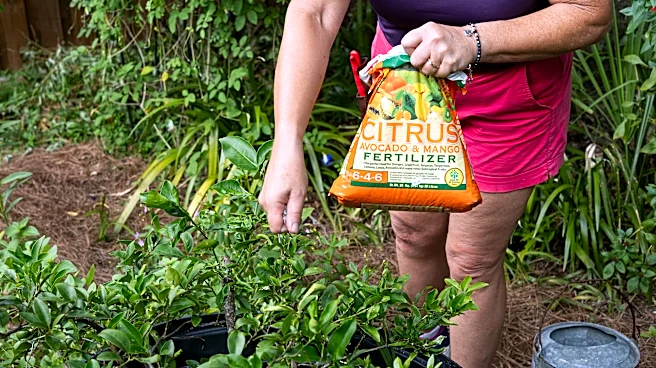
For your lawn and landscape, mid-to-late September is the timing of your final fertilizer applications of the year. First of all,
do not fertilize unless it is needed by the plants you are growing and backed up by a soil test so you know what your lawn and garden actually need. Overfertilization is wasted money, and what is not used will end up in storm drains, local waterways, and groundwater. If fertilization is needed, mid-to-late September is your cutoff because fertilization too close to the danger of frost can lead to tender new growth being damaged and stressing the plant and fertilizer should only be used when plants are actively growing. Your shrubs, trees, and lawn will be slowing down their growth as day lengths shorten and temperatures drop, eventually going dormant for the winter.
The exception to this is if you are providing needed fertilizer to plants that will be growing throughout the coming months, such as your fall and winter vegetable garden.

Time for fall and winter vegetables
Now that your vegetable garden has made it through the tough months of July and August, it is time to get going with cool season vegetables. Plant cool-season crops like broccoli, collard greens, cauliflower, brussels sprouts, and kale now, along with lettuce, beets, spinach, carrots, onions, squash, turnips, and pole and bush beans. If you still have some warm-season crops, continue to harvest and care for them until they stop producing and decline. With vegetable gardens, fertilization can continue as needed for your winter crops. For tips on fall vegetable gardening, information on what varieties to plant, and timing and instructions for fertilization, check out the Florida Vegetable Gardening Guide at https://ask.ifas.ufl.edu/publication/VH021.
And the drought continues
It seems like daily rainstorms were a mainstay throughout August, but unfortunately, we are still in a drought. Estimates put our rainfall this year at around 8-15” below normal in our area, depending on location, which puts most of us in a severe to extreme drought. This does put a strain on our aquifer, and when it comes to water use, studies show that around 50% of all residential water usage in Florida goes to lawns and landscapes. To help this situation, the St. Johns Water Management District has maintained a watering restriction of one day per week at maximum. Only run your irrigation between the hours of 8 p.m. and 6 a.m., and if your address is even, irrigate only on Saturdays, and on Sundays for odd addresses. Even better, if your lawn and landscape are getting enough water from nature, cut it off until we get more dry weather and you see some wilt, and make sure your rainfall shut-off device is operational.
By following guidelines, cutting back on irrigation, and using Florida-Friendly Landscaping practices such as mulching and right plant/right place, you can save a precious resource and possibly save money on your utility bill.
If you have any gardening questions, be sure to reach out to your local UF/IFAS Extension office. The UF/IFAS Extension Office in Clay County is available at clay@ifas.ufl.edu or by phone at (904)284-6355.
Things to plant in September
Vegetables: Arugula, Beans, Beets, Broccoli, Cabbage, Cardoon, Carrots, Cauliflower, Collards, Cucumbers, Endive / Escarole, Garlic, Kale, Kohlrabi, Leeks, Lettuce, Mustard, Nasturtiums, Onion, Radish, Summer Squash and Swiss Chard.
Herbs: Anise, Basil, Bay Laurel, Borage, Chervil, Dill, Ginger, Horehound, Marjoram, Mexican Tarragon, Mint, Parsley, Sage, Rosemary, and Thyme.
Annuals: Angelonia, Coleus, Crossandra, Foxglove, Marigold, Melampodium, Moss Rose (Portulaca), New Guinea Impatiens, Pentas, ornamental Peppers, Petunia, Torenia, Vinca, Wax Begonia, and Zinnia. Start seeds of Alyssum, Calendula, Dianthus, Hollyhocks, Ornamental Cabbage, Pansy, Snapdragon, and Viola.
Perennials: African Iris, Blue Daze, Chrysanthemums, Firebush, Firespike, Peacock Ginger, Pentas, Plectranthus, Russelia, perennial Salvias, and Walking Iris.
Bulbs, tubers, rhizomes, or corms: Amaryllis, Aztec lily, Calla lily, Elephant Ears, Grape Hyacinth, Iris, Leopard lily, Narcissus, Snowflake, Watsonia, and Zephyr Lily.
Wayne Hobbs is an extension agent in environmental horticulture for Clay County.
This article originally appeared on Florida Times-Union: What to plant, fertilize and water in your garden this September