





There’s something different about southern heat that makes it like no other. Tourists say, “It’s not the heat. It’s the humidity.”
Southerners know that if you stick your head into a 113-degree oven, it’s just plain hot with or without the humidity.
Visitors ask, “How do you possibly tend a garden in this heat?”
Answer? We’ve adapted.
For generations, gardeners have watched the weather and have come up with ways to cope. Tended sandy soil and learned how to protect it and make it fertile. Planted what grows here and kicked to the curb what doesn't. It doesn’t mean we haven’t tried new techniques or been open to new ideas.
It does mean that we are watching changes in our climate and are preparing to tackle them.
Consider what we’ve seen here in Duval
County.
We’re aware that the drought conditions first noted in August 2025 continue.
That year, we had 113 days reaching 90° or higher, while back in the good ol’ days of 2002, that number was 80 days.
In line with the rest of the planet, the average summer maximum temperature was 92.9 last year, a full 2 degrees above the old normal.
Our neighbors have lived through hurricanes of record-breaking ferocity.
Our flagship, the University of Florida, leads the way with publications tailored to new and future needs. One such article is “Climate-Smart Gardening” (https://gardeningsolutions.ifas.ufl.edu/care/florida-friendly/climate-smart-gardening/). Personally, I think this publication should be required reading before we’re allowed in a garden center.
Simply put, to continue our favorite pastime, we’re going to have to change some old habits and adopt new techniques. It’s been said that each summer is becoming the coolest summer we will experience in the future. It’s time to rethink how we garden.
We’ll start by being more selective about what we grow. And planting a native species tree is a great step one. They do much more than just look pretty.
Trees capture and filter stormwater, improve air quality and sequester carbon that becomes food. They keep our homes cooler in summer and warmer in winter.
In fact, recent studies in Atlanta, Georgia, on the effect of trees in neighborhoods show that those areas with sparse greenery can be 10-15 degrees hotter than heavily treed areas. Trees provide shade but also absorb water that is released as vapor.
Step two is the adage, “Right Plant, Right Place.” That’s never been more important. Going forward, we’ll want our gardens to thrive despite less or even no additional irrigation.
Global rain patterns are shifting, making rainfall unpredictable. To compensate, we’ll adopt more responsible irrigation practices. Start by installing an efficient automated irrigation system and watering only when plants need it. For instance, established trees and shrubs don’t need additional irrigation, especially native plants. Having evolved in our climate with both droughts and torrential rains, natives are naturally drought-tolerant.
Next step: mulching retains both surface moisture and the moisture deep around plants’ roots. Organic mulches cool the soil while adding nutrients as they break down. Yes, organics need to be replaced from time to time, but the benefits make it worth doing.
Going back to “Right Plants …”: plants that need the least fertilizer and pesticides should be the backbone of your garden.
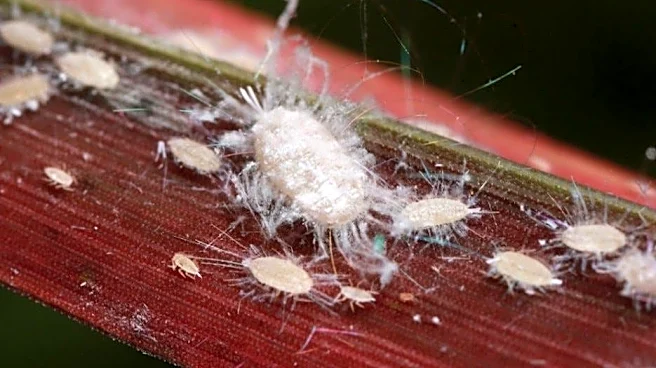
Instead of pesticides, scout the garden regularly and pick off offending insects by hand.
In place of synthetic fertilizer, start composting garden and kitchen waste. Using the finished compost improves soil health by adding organic matter. Compost works like mulch by retaining soil moisture, cooling plant roots, and making the garden more self-sustaining.
Since our temperatures already feel like a summer day at Disney World, why not experiment with successful plants in central and even south Florida.
While you’re experimenting with new plants that beat the heat, do not immediately reject new hybrids. This is a very exciting area of research. And with 8.3 billion mouths to feed on this planet, a critical one.
Using modern plant breeding techniques like gene editing and old-fashioned (Gregor) Mendel-sonian cross breeding, crops are being developed specifically to survive high heat and low water.

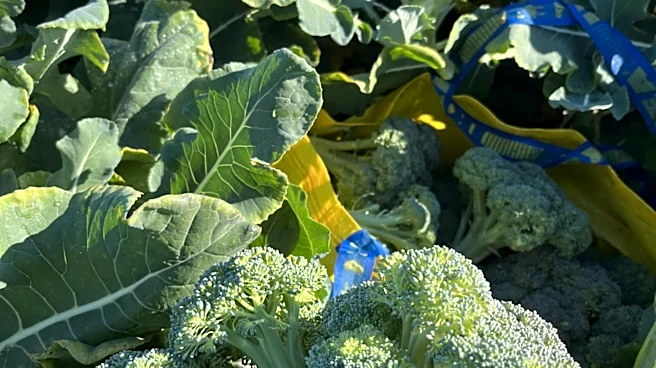
For example, Cornell University has developed a new varietal of broccoli called Northstar. Unlike the standard conditions of cool nights and temperate days historically needed, this varietal was developed to thrive in colder places like New York, New England, and even Quebec.
The Salk Institute in San Diego is working to increase plants’ ability to sequester carbon by growing long roots that allow them to pull more carbon from the soil. The longer roots are also more drought tolerant and keep the soil healthier.
Fellow gardeners around the world are devoting less of their yards to turf and more space to trees. They’re experimenting with different garden techniques that disturb the soil less and produce better yields.
Keep in mind that you and I aren’t the only gardeners looking to find ways to keep our gardens growing. We’re part of an army of 186 MILLION home gardeners in the US, plus scientists worldwide looking and experimenting with ways to mitigate future challenges.
We’ll adapt. And future gardeners will see that we took this quote to heart: “To plant a garden is to believe in tomorrow.” — Audrey Hepburn
Paula Weatherby is a Master Gardener Volunteer with the Duval County Extension Service and the University of Florida/IFAS. For gardening questions, call the Duval County Extension Office at (904) 255-7450 from 9 a.m. to noon and 12:30 to 3:30 p.m. Monday-Friday and ask for a Master Gardener Volunteer.
This article originally appeared on Florida Times-Union: How to keep your garden alive in extreme heat