
This summer has been a tough year for landscapes in Northeast Florida. With the drought this spring, the late start to afternoon thunderstorms, and the hotter temperatures, many homeowners have had problems
keeping their landscapes in good shape. We at the UF/IFAS Extension Office often hear from homeowners that they shouldn’t be having problems because they have hired a professional landscape company. There is often an erroneous expectation that when you hire a turf maintenance company that they will turn your lawn into a yard of the month finalist all year. In reality when hiring a landscape maintenance company, you both become a team, sharing the responsibility.
When you hire a landscape maintenance company, they typically provide fertilization, weed control, insect and disease monitoring and treatment, and routine lawn assessments. With this professional service, you should expect that the proper treatments are applied at the proper time. The treatments are following the proper laws and regulations. That the proper identification of pests, diseases, and nutrient issues are being made. And finally, that the recommendations are the right ones for your location, and your plant material.
Unless you are hiring a full-time gardener, this relationship has its limitations. Lawn technicians may only visit your property for a short time every couple of weeks. Conditions in Florida can change quickly and the problems in your landscape can start to deteriorate fast. There may be environmental conditions such as heat, drought, or excessive rainfall. Additionally, there may be soil compaction from vehicles, and pet/foot traffic, or shade from trees and structures.
Often when we hire a landscape maintenance company, we expect them to bear the burden of keeping our landscape looking good. However, there are still practices that are the responsibility of the homeowner that directly influence how the landscape looks. Those practices include irrigation and mowing.

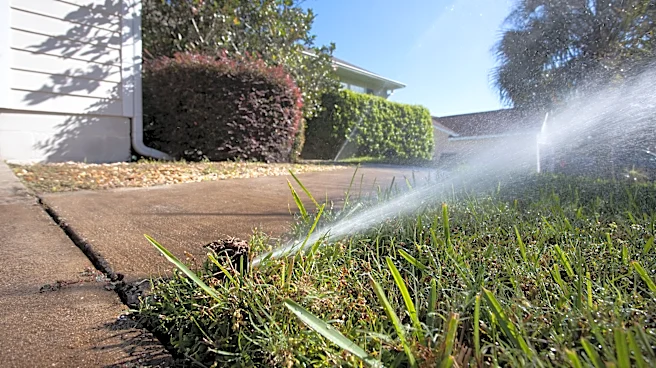
Watering properly is perhaps the most important job for homeowners in the landscape. Not only because fresh water in Florida is a precious commodity, but proper irrigation is vital for good plant growth. Common irrigation mistakes include providing too much or too little water to the landscape, watering at the wrong time of day or night, and dealing with clogged or malfunctioning sprinkler heads. Often the biggest barrier is simply being unfamiliar with how to operate an irrigation timer.
The University of Florida recommends the following best practices for landscape irrigation.
- Inspect and calibrate your irrigation system annually.
- Provide 1/2 to 3/4 of an inch twice a week for turf. This includes rainfall so when it rains, you might even shut it off for a week.
- Seasonally adjust your irrigation to follow St. Johns Water Management District regulations.
- Most established trees and shrubs need little to no irrigation.
In addition to watering, mowing is also the responsibility of the homeowner. Proper mowing is important because it encourages healthy root development, reduces weed growth, and improves turf density and appearance. The steps to mowing your turf properly include mowing turf at the proper height. For most St. Augustine varieties, this is between 3.5 and 4 inches. It is also important to keep your mower blades sharp. This cuts the grass blade instead of tearing it. Don’t let your turf get so long that you are removing more than 1/3 of the blade at a time. Finally, leave the clippings on the ground when appropriate. As they decompose, they will release organic matter and nutrients back into the soil.
Just like any partnership or team, communication is essential. It is up to you to communicate certain things to your landscape maintenance company such as any concerns you have about the condition of your landscape. In turn, it is the landscape maintenance professional’s responsibility to communicate with you as well.
So, to wrap things up: Professional turf maintenance is a worthwhile investment, but it is not a guarantee of a perfect landscape. Watering and mowing remain important factors affecting landscape health that are the responsibility of the homeowner. Successful landscapes result from a partnership where professionals provide proper nutrition, and pest control, while homeowners provide appropriate cultural practices. For more information on healthy landscapes go to https://ask.ifas.ufl.edu/.
Larry Figart is an urban forestry extension agent with the University of Florida/IFAS.
This article originally appeared on Florida Times-Union: Why hiring a lawn service is not a total fix for your yard