








Florida has reported two new cases of leprosy in recent weeks, bringing the state’s total to 25 so far this year, according to the latest Florida Department of Health data released Oct. 15.
The rare disease, also known as Hansen’s disease, has drawn renewed attention in Florida, which remains among the states reporting the most cases nationwide.
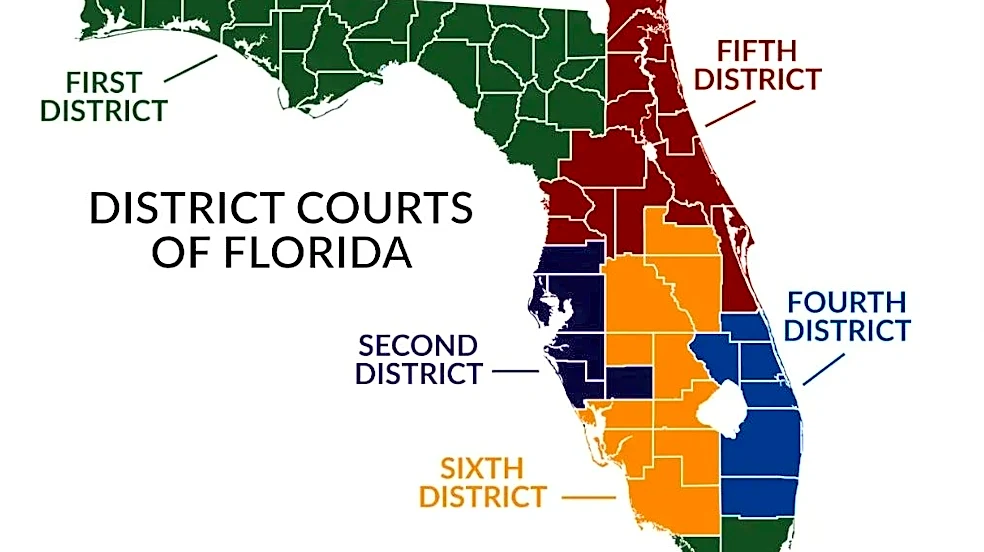
The latest cases reported in October include a person between 75 and 79 years old in Orange County and another between 80 and 84 in Polk County.
So far, no new cases have been reported in October in the Jacksonville area.
Here’s what to know about leprosy and how many cases have been reported in Duval and St. Johns counties this year.
What is leprosy, and is it curable?
Leprosy, also known as Hansen’s disease, is a chronic bacterial infection
that primarily affects the skin and peripheral nerves. If left untreated, it can cause permanent nerve damage and disability.
The good news is that leprosy is curable. Treatment typically involves a combination of antibiotics known as multidrug therapy, which can eliminate the bacteria and prevent further complications.
How is Leprosy transmitted? Can it spread through casual contact?
Leprosy is believed to spread through droplets from the nose and mouth of an untreated person after prolonged, close contact. However, the disease is not easily transmitted through everyday interactions.
According to the World Health Organization, leprosy does not spread through casual contact, such as shaking hands, hugging, sharing meals or sitting next to someone. Once treatment begins, the person with leprosy stops transmitting the disease.
What are the symptoms for Leprosy or Hansen's disease?
Hansen’s disease can cause numbness, lighter or darker skin patches, tingling, muscle weakness, and thickened nerves. Because symptoms may take up to 20 years to appear after exposure, the condition can be easy to overlook.
People with persistent numbness, unexplained loss of sensation, or progressive weakness should contact a health care provider, particularly after prolonged close contact with someone diagnosed with the disease or after travel to areas where the disease is more common, such as certain regions of Asia, Africa and Latin America.
Have any cases of Leprosy been reported in Duval County? How many?
According to the Department of Health, only one case of leprosy has been reported in Duval County since January, with the case reported in June of this year.
How many cases of Leprosy have been reported in St. Johns County?
Two cases of leprosy have been reported in St. Johns County; the first case was reported in March and the second in September of this year, according to the Florida Department of Health.
Where has Hansen's disease (leprosy) been reported in Florida? See list by county:
According to the Florida Department of Health, as of the week ending on Oct. 3:
- Brevard County: 2
- Charlotte County: 2
- Duval County: 1
- Hillsborough County: 1
- Lake County: 1
- Lee County: 1
- Manatee County: 1
- Miami-Dade County: 1
- Okeechobee County: 1
- Orange County: 3
- Pasco County: 1
- Pinellas: 1
- Polk County: 3
- Seminole County: 1
- St. Johns County: 2
- Sumter County: 1
- Volusia County: 2
Who is at risk for Hansen's disease?
Hansen's disease is extremely rare in the United States, with only a few hundred cases reported every year.
Public health officials say Hansen's disease, once widely feared as being highly contagious, is actually hard to catch and can be cured with antibiotics taken for one to two years.
About 95% of people are naturally immune to the bacteria that causes Hansen's disease, according to the Centers for Disease Control and Prevention.
Is there a vaccine for Hansen's disease (leprosy)?
No, but it is hard to catch and completely curable, the CDC said.
Do armadillos spread leprosy?
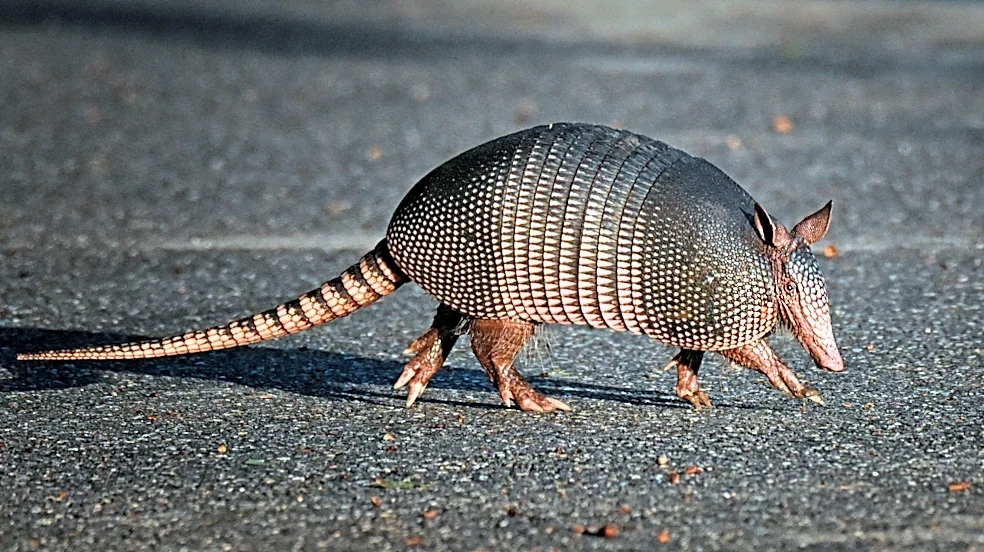
Possibly. Researchers have not definitively identified the source of the U.S. infections. However, multiple studies have pointed to the nine-banded armadillo, a species commonly found throughout the state.
Armadillos are the only animals besides humans known to host the bacteria that causes Hansen's disease, and the spread correlates with the animal's natural range, according to the Emerging Pathogens Institute at the University of Florida. In 2011, the New England Journal of Medicine publishedan article formally linking the creature to human leprosy cases.

It's been suggested that humans could even be affected by coming in contact with soil that an armadillo has contaminated.
However, leprosy is not spread through casual contact, and a victim would require prolonged exposure to the bacteria through armadillos, soil, other environmental factors, or to another person with untreated leprosy.
Doris Alvarez is a Breaking and Trending Reporter for The Florida Times-Union. You can get all of Jacksonville’s best content directly in your inbox each weekday by signing up for the free Daily Briefing and News Alerts newsletters at jacksonville.com/newsletters.
This article originally appeared on Florida Times-Union: Florida reports 25 leprosy cases in 2026, including 3 near Jacksonville