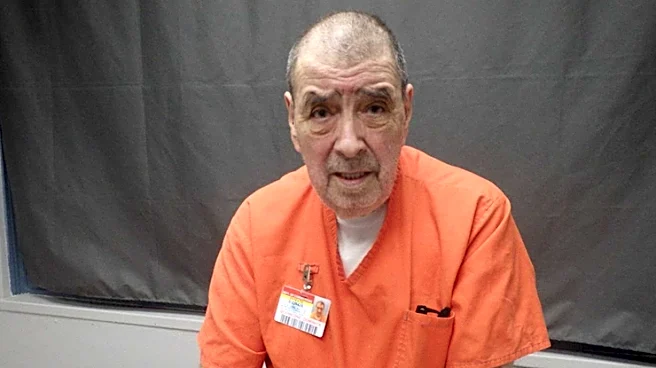








On July 28, Florida carried out the executions of two men on the same day ― the first time our state has done so in more than 60 years. The crimes committed were grave, and no words can erase the pain suffered by the victims, their families and the communities forever changed by violence.
Now that the executions have taken place, we should not simply move on. Instead, they invite us to ask a broader question: What kind of justice do we seek?
The Catholic Church has long upheld the right and responsibility of government to protect its citizens and to hold those who commit serious crimes accountable. Justice matters, and so does public safety. Our understanding of justice, however, has developed as society has gained the ability to protect itself
without taking another human life.
Today, those convicted of the most serious crimes can be sentenced to life imprisonment without the possibility of parole. Society can be protected, and dangerous offenders can be prevented from harming anyone again. That reality challenges us to ask whether the deliberate taking of a human life by the state remains morally necessary.
Some families of victims support the death penalty, while others oppose it. The church does not presume to tell grieving families how they should respond to unimaginable loss. Their suffering deserves our compassion and our prayers.
Instead, the church asks a different question: When society has another way to protect its citizens, should it choose execution?
Our answer is rooted in the gospel.
Every human person is created in the image and likeness of God. That dignity is not earned by good behavior, nor is it lost because of terrible wrongdoing. A person may forfeit freedom through criminal actions, but never his or her God-given worth.
This conviction does not excuse evil or diminish accountability. Rather, it reminds us that justice and respect for human dignity can exist together.
Pope Leo XIV recently reaffirmed the church's teaching that "the dignity of the person is not lost even after very serious crimes are committed." He reminded us that effective systems of detention can protect society while preserving the possibility of redemption and that the common good and the demands of justice can be met without resorting to capital punishment.
History reminds us that our understanding of justice is not static. We have rejected punishments once considered acceptable because we came to recognize that they fell short of the dignity owed to every human being. The same invitation to moral reflection remains before us today.
There is also another reason for humility. Our criminal justice system, while striving to serve justice, is administered by human beings and is therefore not immune from error. Innocent people have been exonerated after spending years on death row. An execution cannot be reversed.
As Christians, we are called to measure our actions through the lens of the gospel. Jesus consistently proclaimed both justice and mercy. He defended the dignity of every person, including those whom society had rejected. He never asked us to ignore evil. He asked us to overcome it with good.
The question before us is larger than the fate of two individuals. It is about the values we wish to uphold as a people.
Can we protect society, honor victims and hold offenders accountable without taking another human life? Can justice be measured not only by the punishment we impose but also by the values we refuse to abandon?
In the days following these executions, I invite all people of goodwill to continue reflecting on those questions, to pray for the victims and their families, to pray for those who were executed, and to pray that our pursuit of justice will always be guided by the dignity of every human life and the hope offered by the gospel.
Florida can end capital punishment while still upholding justice and protecting human dignity.

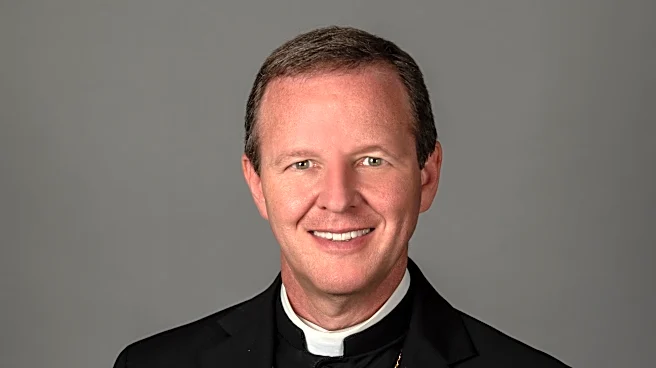
Most Rev. Erik T. Pohlmeier, Bishop of St. Augustine
This guest column is the opinion of the author and does not necessarily represent the views of the Times-Union. We welcome a diversity of opinions.
This article originally appeared on Florida Times-Union: Florida must consider what kind of justice it seeks | Opinion