





Hurricane preparation usually brings the same things to mind: stocking up on supplies, protecting your home and making sure your family is safe. Those things should always come first. Preparing for what comes afterward is just as important.
The field professionals I work alongside have decades of experience serving homeowners across Florida, and one thing they consistently tell me is this: After a major storm, pest and wildlife activity almost always increases. We often see an increase in service calls because standing water, excess moisture, storm debris and damaged structures create ideal conditions for pests and wildlife.
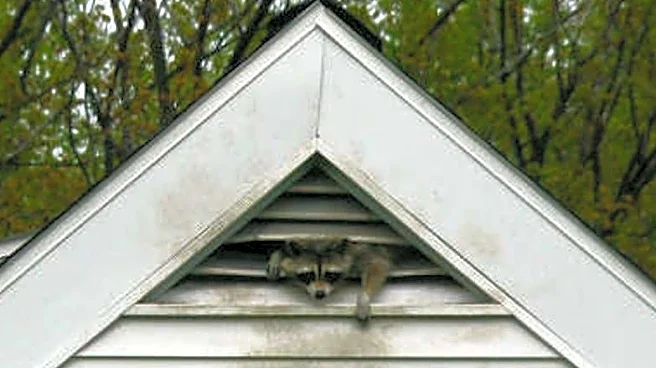
When heavy rain floods burrows and colonies or high winds damage trees, animals and insects don't simply disappear. They
begin searching for somewhere dry and safe. Unfortunately, that often means attics, garages and crawl spaces.
The storm itself isn't really the problem. It's the conditions left behind that allow existing pest and wildlife problems to grow. Standing water gives mosquitoes a place to breed, and excess moisture attracts termites. Damaged structures also create new opportunities for rodents and wildlife to move in.

The good news is that many of these problems are preventable. Every home is a little different, but spending a few minutes looking around before a storm can help you spot small issues before they become bigger ones.
A complete hurricane preparedness plan includes stocking emergency supplies, having an evacuation plan, protecting your family and reducing potential safety hazards around your home. It should also include taking a few simple steps to prepare for the conditions a storm can leave behind.
Take a little time to inspect your property, look for gaps around doors, windows, utility lines and attic vents, trim vegetation, seal entry points and clear debris. Those simple steps can help make your home less inviting to pests after severe weather.
Small cracks can often be sealed with exterior-grade caulk, while larger openings should be covered with materials rodents can't chew through. It's also a good idea to secure trash cans and outdoor furniture before the storm arrives.
Business owners can benefit from the same mindset, and including pest prevention as part of your hurricane preparation can help reduce disruptions after the storm. Clearing roof drains, emptying dumpsters, inspecting buildings for gaps and protecting vents can help businesses recover more quickly and avoid unnecessary disruptions.
It's also important to remember that storms don't just affect people. Wildlife is often displaced, frightened and simply looking for shelter. If you come across an injured animal, resist the urge to approach it. Keep a safe distance and contact your local wildlife agency for guidance if it appears to need assistance.
Once it's safe, take a walk around your property to look for damage, clear debris and address any new openings before they become opportunities for pests or wildlife.
Living in Florida means hurricanes are part of life, but pest problems don't have to be. You can't control the weather, but you can control how prepared you are. Preparing for what comes after the storm may not be the first thing that comes to mind. A little prevention beforehand, however, can save you a lot of time, money and frustration once the skies clear.

Wade Wilson, vice president of technical services, Turner Pest Control, Jacksonville
This guest column is the opinion of the author and does not necessarily represent the views of the Times-Union. We welcome a diversity of opinions.
This article originally appeared on Florida Times-Union: How Jacksonville residents can prepare for after the storm | Opinion