


Evidence-tampering charges against a campaign consultant who worked with several St. Johns County politicians have been dismissed, at least temporarily ending prosecutions over complaints about bogus 2024 election voter guides.
Campaign pro Brianna Jordan was the only person charged with a felony in July, when prosecutors filed charges against five people connected to a primary-election guide that carried the county Republican Party’s logo but wasn’t authorized by the party.
St. Johns County Commission members Sarah Arnold and Christian Whitehurst, St. Augustine Beach Commissioner Dylan Rumrell and a campaign worker, Jamie Johnson, were charged alongside Jordan with misdemeanor counts of conspiracy and creating unauthorized voter guides.
The bogus
guides were distributed to Republicans but listed local candidates the county's GOP leadership hadn't endorsed, a state investigator's affidavit.
But Circuit Judge William E. Davis rejected the felony charge in an October 16 order dismissing Jordan’s charges. He had dismissed the misdemeanor charges against the other defendants earlier that month.
The judge’s orders allowed prosecutors to re-file everyone’s misdemeanor counts if they wished but said facts of Jordan's case showed there was no basis for charging her with destroying evidence.
“[B]ecause the evidence was not destroyed and is in possession of law enforcement and the state, the evidence of the allegedly fraudulent voter guides would be available at trial,” wrote Davis, who is based in Gainesville but was assigned to handle the St. Johns case to assure impartiality.
Although Jordan was accused of having some voter guides burned after learning the government was investigating, the judge noted that prosecutors already had copies of the guides in their possession.
“Thus, Defendant did not destroy the evidence of the allegedly fraudulent voter guides by destroying ‘some’ of the hundreds of voter guides that were recoverable,” Davis concluded.
The judge dismissed the conspiracy and voter guide charges because those were misdemeanor charges filed in a courtroom meant to handle felonies.
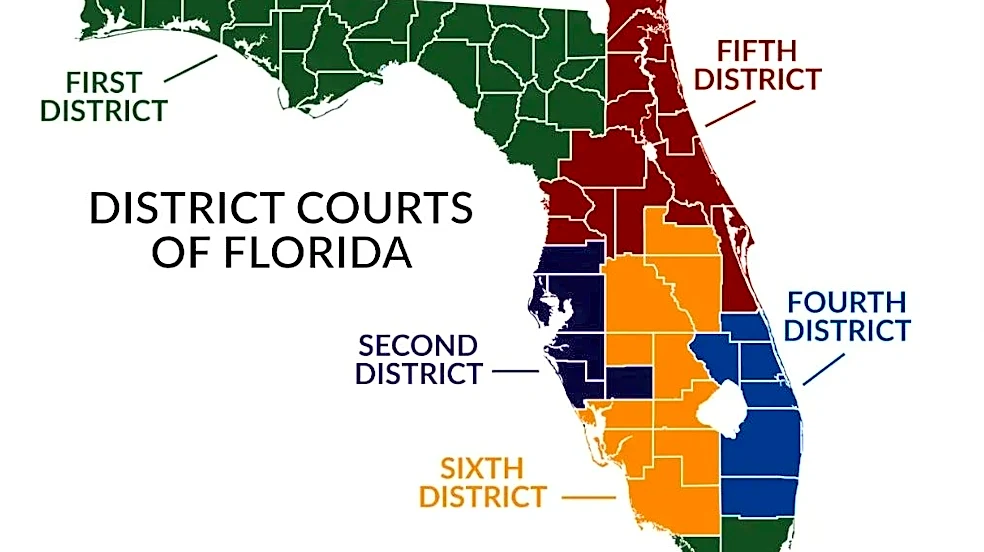
He dismissed the misdemeanor counts against the rest of the defendants by quoting a district court of appeal ruling that said a circuit judge “has jurisdiction over a misdemeanor only when the misdemeanor and the felony arising out of the same circumstances are committed by the same person.”
This article originally appeared on Florida Times-Union: Order ends, for now, brouhaha over bogus St. Johns GOP election guide