





Cyclosporiasis cases are rising nationwide, and Northeast Florida has not been spared.
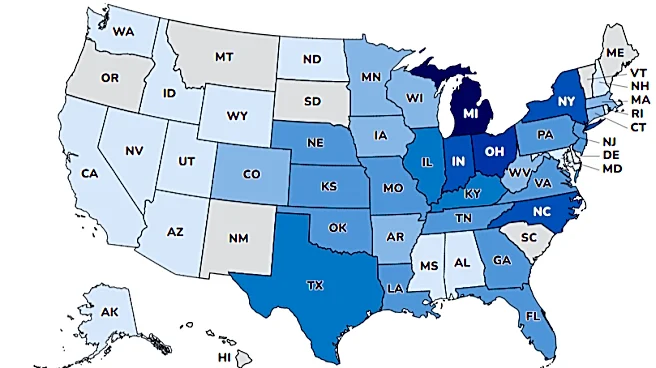
The Centers for Disease Control and Prevention reported nearly 4,200 confirmed cases across 41 states since May 1 in its latest update on July 20,
In Florida, the Department of Health has reported 96 cases, including seven in the Jacksonville area as of July 11 — four in Duval County and three in St. Johns County.
Officials have not confirmed whether those local cases are linked to the current multistate outbreak.
Here's what we know about the CDC's Cyclosporiasis case counts and where the outbreak may be coming from.
Why is the CDC's Cyclosporiasis case count lower than the actual total?
The CDC’s update places Florida’s outbreak-related cases in the "31 to 80" range, though the agency notes its totals can lag behind state reports
due to verification and reporting delays
There have been 308 hospitalizations and no deaths reported during the time period, the CDC said.
The agency expects case counts to continue to rise because there's typically a six-week reporting lag between an illness and the case being reported to the CDC.
"Cyclosporiasis cases may not be limited to these states with known cases," according to the CDC update. "The true number of people sick with cyclosporiasis was likely higher than the number reported. This is because some people recover without medical care and are not tested for Cyclospora."
Who is getting cyclospora infections?
The 4,173 confirmed victims of cyclospora infections ranged in age from 2 to 95 years, with a median age of 44, the CDC said.
More than half (56%) were female, data showed. The median illness onset date was June 26, 2026 (range from May 1 to July 16).
The CDC also reported 767 travel-linked cases since May 1, with 33 hospitalizations and no deaths tied to contaminated food or water consumed outside the United States.
CDC's surveillance updates do not include probable cases that may be included in state data.
Where is the cyclospora outbreak coming from?
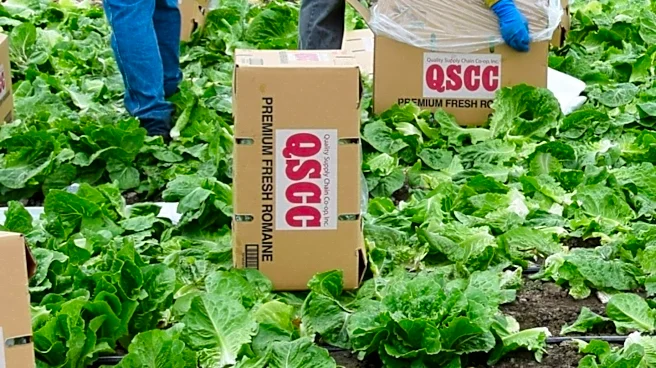
California produce supplier Taylor Farms on July 17 issued a voluntary recall of iceberg lettuce products as a result of the outbreak and investigation by the CDC, the Food and Drug Administration, and state health officials. That investigation initially connected the illnesses to lettuce from Taylor Farms de Mexico sold, in part, to Taco Bell locations in five states: Indiana, Kentucky, Michigan, Ohio and West Virginia.
On July 18, the FDA said a Taylor Farms iceberg lettuce sample that was not part of the lettuce recalled by the company had tested positive for cyclospora. The next day, the FDA said that after being reviewed again, the test was found to be a false positive match.
On July 20, the FDA posted to X: "To clarify, this false-positive lab sample DOES NOT change the basis for FDA’s ongoing outbreak investigation or the overwhelming epidemiological data supporting the current voluntary recall by Taylor Farms."
The lettuce recalled was sold in retail stores, served in restaurants and distributed to food service customers. Taco Bell removed all Taylor Farms lettuce at select restaurants and Walmart pulled some bags of Marketside Bagged Iceberg Salad and Shredded Iceberg Salads, distributed by Taylor Farms. The lettuce had been sold in stores in 27 states.
Is there a cyclosporiasis outbreak in Florida? Number of case reports by county
As of July 11, the Florida Department of Health has reported 96 cases of cyclosporiasis since May 1, but they have not yet been linked to the current outbreak.
Cyclosporiasis infection is not uncommon in Florida. The state has reported an average of 246 cases of cyclosporiasis every year from 2015 through 2025, with a notable rise in cases in the last few years. There were 210 cases reported last year, and 222 cases in 2024, data shows. Cases surged over 500 in both 2019 and 2022.
The cases reported since May 1 were in:
- Alachua County: 2
- Brevard County: 1
- Broward County: 7
- Collier County: 2
- Columbia County: 1
- Duval County: 4
- Escambia County: 1
- Flagler County: 2
- Gadsden County: 1
- Highlands County: 2
- Hillsborough County: 3
- Lake County: 3
- Lee County: 14
- Manatee County: 1
- Martin County: 1
- Miami-Dade County: 17
- Monroe County: 1
- Okaloosa County: 2
- Orange County: 3
- Osceola County: 4
- Palm Beach County: 2
- Pasco County: 1
- Pinellas County: 3
- Polk County: 4
- Seminole County: 5
- St. Johns County: 3
- St. Lucie County: 2
- Sumter County: 2
- Volusia County: 2
Two of the cases were acquired outside Florida, but in the U.S., while 19 cases were acquired outside the U.S., the FDOH said. The source of 18 of the cases was unknown.
What are the symptoms of cyclosporiasis?
Symptoms of cyclosporiasis may vary, according to the CDC, but watery diarrhea is the most common. Others include:
- Loss of appetite
- Weight loss
- Cramping
- Bloating
- Increased gas
- Nausea
- Fatigue
Some people may also experience vomiting, body aches, headaches, low-grade fever, and other flu-like symptoms. Others may show no symptoms at all.
Symptoms can begin to show from two days to two weeks or more after infection, the CDC said. Without treatment, symptoms can last anywhere from a few days to a month or longer.
How to avoid cyclospora
The single best way to avoid the illness is to not eat food connected with it, the CDC said. That means avoiding foods linked to outbreaks, and thoroughly washing fruits and vegetables under running water before eating, cutting, or cooking, even if it is labeled pre-washed.
Firm fruits and vegetables, such as melons and cucumbers, should be scrubbed with a clean produce brush. Cut away any damaged or bruised areas on fruits and vegetables before preparing and eating.
However, since washing alone may not be enough to remove the parasite, the CDC recommends cooking produce to a temperature of at least 158 degrees.
Doris Alvarez is a Breaking and Trending Reporter for The Florida Times-Union. You can get all of Jacksonville’s best content directly in your inbox each weekday by signing up for the free Daily Briefing and News Alerts newsletters at jacksonville.com/newsletter
This article originally appeared on Florida Times-Union: 4,200+ Cyclosporiasis cases in 41 states. How many in Jacksonville?