



The last defendant in a high-profile Jacksonville internet café crackdown has reached a plea deal that lets him, like others, avoid prison, although separate settlements collectively cost co-defendants well more than $1million.
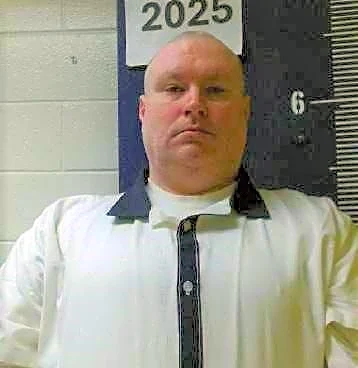
Circuit Judge L.E. Hutton sentenced Majd Dabbas, 36, to five years of probation on September 14 for a plea that replaced counts of racketeering and conspiracy with charges involving unlawful use of a two-way communications device, which a prosecutor said was a part of the larger charge.
Dabbas also pleaded to a felony count of conducting a lottery and misdemeanor counts of keeping a gambling house and possessing slot machines, although Hutton withheld a formal finding of guilt on any charges as part of the deal.
gaming machines seized in Jacksonville and Orange Park raids
The agreement essentially ended a racketeering case the Florida Attorney General’s Office pursued with the Jacksonville Sheriff’s Office in 2024, culminating in 11 arrests of people accused of roles in operating a series of gaming businesses.
The arrests began two months after a security guard, Ronald Matthews, was shot dead at one of those businesses, the now-closed Dragon Arcade at 734 Edgewood Avenue North, during a failed armed robbery.
Four people accused of roles in that holdup are still facing murder charges.
One by one since November 2025, each of the other 10 racketeering defendants had taken pleas, usually on the grounds that it was in their best interest to do so. (One, Candace Jackson, pleaded only to operating a lottery.)
Racketeering is a first-degree felony in Florida with a potential prison sentence as long as 30 years. But the pleas led to time-served sentences that generally represented days or weeks they’d spent in jail right after their arrests, waiting for initially high bonds to be reduced. Dabbas spent 34 days in jail.
In addition to jail time, all but two of the defendants were put on probation for periods ranging from two years to ten years. Like Dabbas, however, a number had the possibility of ending their probation early if they met a series of requirements. Hutton had approved early terminations for two of the nine probations by September 14, court records showed.
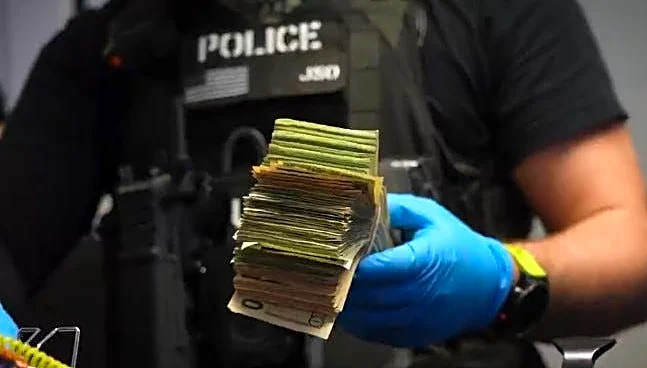
The crackdown, which Sheriff T.K. Waters said in 2024 led to seizure of about $2.5 million in "illegally sourced" cash, cost gaming centers financially even if their owners didn't lose much time.
A lawsuit the state filed separate from the criminal charges has led to settlements where some of the defendants also agreed to give up some money, usually bank account contents.
Dollar amounts in those accounts are generally not disclosed but two court orders signed in August by Circuit Judge Michael Sharrit gave some public measure of the price of being taken to court by the state.
One order spelled out plans for disbursing $884,696 that had been seized from defendants George Azzam, Robin Rukab Azzam and their family ― in addition to contents of several bank accounts ― and was being held by the Jacksonville Sheriff's Office. The state's lawsuit labeled the couple “high level” members of a criminal enterprise behind the gaming centers.
The other order, involving defendant Ryan Strickland, his family and companies he operated, spelled out steps for the state's use of assets in Strickland's banks accounts and three business accounts, a $150,000 cashier's check, about 50 guns and nine cars, trucks, trailer or personal watercraft, plus a gold Rolex with diamonds on its face and sunglasses by Cartier and Louis Vuitton.
This article originally appeared on Florida Times-Union: Internet cafe racketeering case cost Jacksonville crew cash, little time