


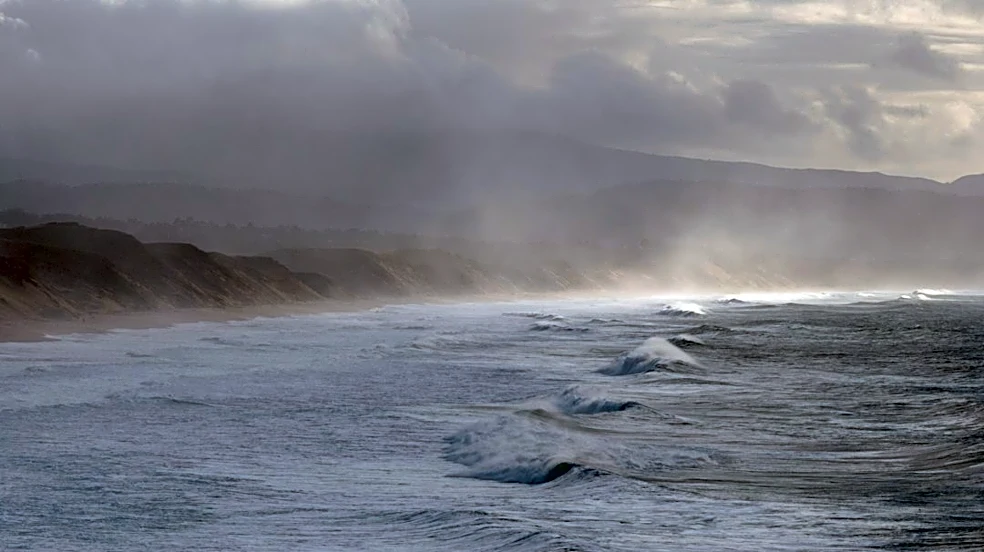

Jacksonville is a city built around water. Increasingly, however, water is becoming a threat to our neighborhoods, roads and household budgets. High tides and storm surge are putting more pressure on low-lying communities, while heavier rainfall can overwhelm aging drainage systems.
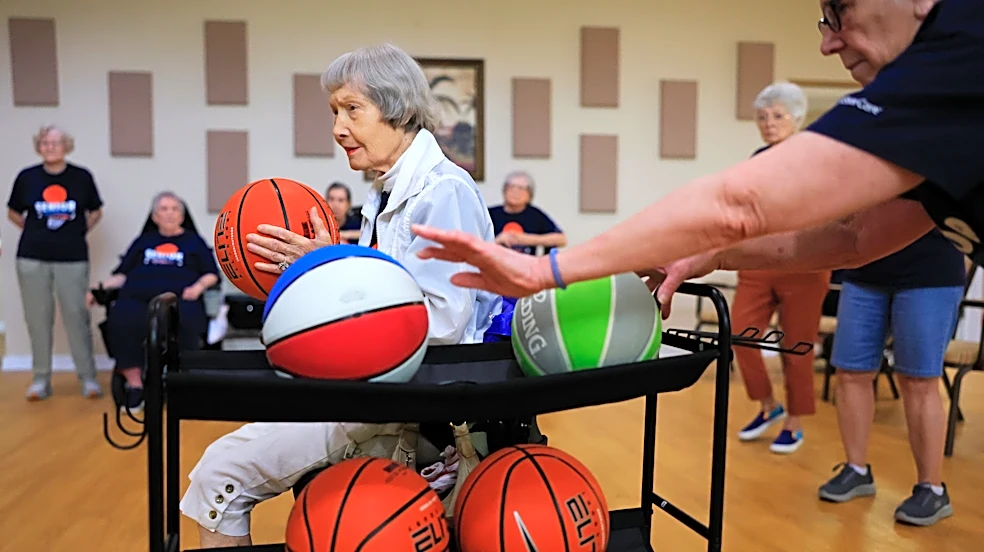
Summer heat is also growing more intense, lasting longer and dangerous humid heat is becoming more common. For families, these changes aren’t abstract; they mean flooded streets, damaged property, higher insurance costs and larger summer electricity bills, as well as health and safety risks.
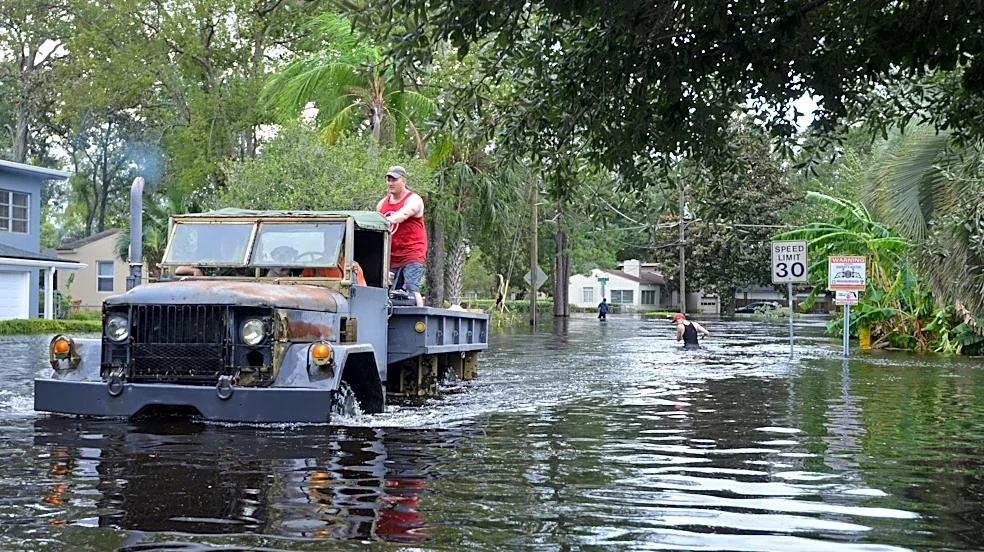
The experience of Hurricane Irma in 2017 showed just how vulnerable Jacksonville can be. Storm surge and torrential rain pushed the St. Johns River to record-breaking levels of over
5 feet above average — what the city described as the worst flooding in the city’s 250-year history.
The streets of downtown Jacksonville turned into rivers and residents were rescued from their homes.
According to Climate Central, dangerous humid-heat days across our region have roughly doubled since the 1970s, and in 2023 Jacksonville was placed under its first excessive heat warning — conditions that put seniors, children and outdoor workers most at risk.

The worsening extreme heat has caused a negative impact on the daily lives of locals in the Jacksonville area. This extreme heat, due to climate change, has brought drought as well as dry vegetation, making it much easier for wildfires to spread and worsen once they are started.
This year has been one of the worst for Jacksonville (and Florida in general) regarding wildfires. In April and May, locals were advised to stay indoors (especially sensitive groups) due to the dangerous air quality caused by the smoke from these wildfires.
Here’s the encouraging part: Most of us already agree on both the problem and the need to act. According to the Yale Program on Climate Change Communication’s 2025 Climate Opinion Maps, approximately six in 10 adults (59%) across the Jacksonville metro area are worried about global warming, and 56% believe Congress should be doing more to address it.
Protecting our neighborhoods from flooding and our household budgets from rising costs isn’t a partisan cause — it’s common sense.
Jacksonville has already begun building the tools it needs to meet these challenges. The city hired its first chief resilience officer in 2023 and adopted a long-term resilience plan to defend vulnerable neighborhoods from flooding. Our municipal utility, JEA, has set a goal of 35% clean energy by 2030 and is bringing new solar farms online right here in Duval County.
These investments can diversify JEA’s energy supply, reduce carbon pollution and provide another source of electricity as our energy needs grow. Jacksonville is also home to JinkoSolar, one of the world’s largest solar-panel manufacturers, giving our region a real stake in the clean-energy jobs this transition creates.
Real gaps remain, however. Too many neighborhoods still flood, stormwater infrastructure needs upgrading, flood insurance keeps getting more expensive and our grid still strains under storms and this intense summer heat. Closing those gaps will take sustained leadership. That's where voters come in.
As we weigh candidates in the upcoming local, state and federal elections, flood resilience, reliable clean energy and protection from extreme heat must be front and center. Regardless of whether a candidate is a Republican, Democrat or Independent, we should ask them direct questions:
- What is your concrete plan to strengthen neighborhood flood defenses, upgrade stormwater infrastructure and keep flood insurance affordable and available to local families?
- What will you do to expand affordable solar energy and strengthen the electric grid so Jacksonville can meet growing demand and keep the lights on during severe storms?
- How will you protect residents — especially seniors, outdoor workers and other sensitive groups — from worsening summer heat?
This election season, voters should look beyond campaign slogans and press candidates for concrete plans. These aren’t partisan issues, but questions about whether our homes, infrastructure and pocketbooks will be protected. Jacksonville voters deserve clear answers — and leaders who are prepared to deliver them.


Charity Yedlicka is a lifelong resident of Jacksonville and a volunteer with the Jacksonville chapter of Citizens’ Climate Lobby. Rob Kahn has over 20 years of experience in communications research and volunteers as co-lead of the meteorologist outreach team at Citizens’ Climate Education.
This guest column is the opinion of the author and does not necessarily represent the views of the Times-Union. We welcome a diversity of opinions.
This article originally appeared on Florida Times-Union: Why Jacksonville's rising tides, temps need strong leaders | Opinion