


Sipping pumpkin spice lattesat coffee shops across Florida might’ve felt like fall came a little too early, with summer-like temperatures still climbing into the 80s and 90s. That may help explain the popularity of iced pumpkin spice drinks, offering a cooler way to embrace the season.
Still, fall is officially here.Sept. 22 marks the autumnal equinox, the first day of astronomical fall, while meteorological fall began Sept. 1.
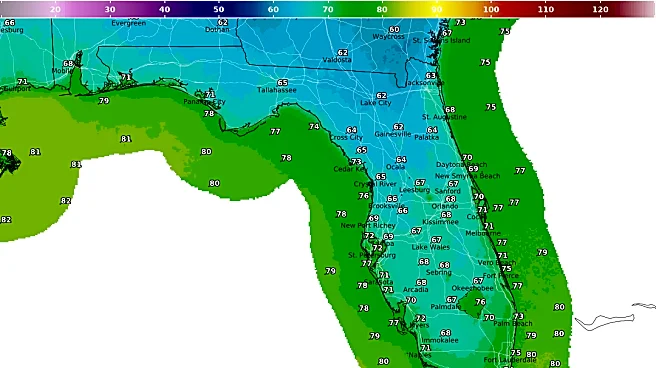
In Jacksonville, temperatures are expected to stay in the low to mid-80s through the weekend, with a taste of fall arriving overnight as temperatures dip into the 60s.
Here’s a look at the forecast and what to expect during thefirst week of fall in Northeast Florida.
➤ Weather alerts via text: Sign up to get updates about
current storms and weather events by location
What’s the weather like in Jacksonville this week?
Jacksonville will see a gradual shift toward cooler, more fall-like weather this week, with temperatures dropping from the mid-80s Wednesday into the upper 70s Thursday and Friday. Rain chances also decrease as the week progresses.
- Wednesday: High 86, low 72 — Partly sunny with a 50% chance of showers and thunderstorms, mainly after 10 a.m. Breezy with northeast winds. Tonight will be mostly cloudy with a slight 20% chance of rain.
- Thursday: High 80, low 65 — Mostly cloudy with a slight chance of showers during the afternoon and evening. A 20% chance of showers continues into Thursday night.
- Friday: High 79, low 60 — Mostly sunny during the day, followed by a mostly clear and cooler night.
- Saturday: High 82, low 62— Sunny and comfortable during the day with mostly clear skies overnight.
- Sunday: High 85, Low 64— Mostly sunny with temperatures warming slightly. Sunday night will be partly cloudy.
Will temperatures continue to drop across Jacksonville? What to expect in coming weeks
No,above-average temperaturesare expected through November for Florida and much of the United States, according to the Climate Prediction Center.
That's unwelcome news for Florida residents, who saw an August that was the second warmest in recordsdating back 132 years.
Twelve counties broke their previous heat records for August.
Shop Amazon for hot weather essentials
When is the first day of fall?
That depends on which "fall" you're referring to.
There are two definitions when it comes to seasons: meteorological and astronomical.
If you're referring to meteorological fall, that started on Sept. 1.
If you're referring to astronomical fall, that starts today, on the fall equinox, Sept. 22.
Shop fall finds on Amazon
When is the 2026 fall equinox?
The 2026 fall equinox, or the first day of astronomical fall, happens at 8:05 p.m. ET Sept. 22.
Is a cold front coming to Florida?

Yes, but it'll have to shove "unseasonably warm" temperatures out of the way first.
Cooler temperatures are expected to arrive in North Florida Sept. 24-25, with lows in the low to mid 60s and highs dropping into the mid 80s to bring a "taste of fall," , according to the National Weather Service Tallahassee.
Above-normal temps are expected to return to the area by late in the weekend and into early next week.
For Northeast Florida, a "rather pleasant early autumn weekend" is expected before temps begin a warming trend early next week. Inland lows could fall into the 50s, with upper 60s forecast at coastal locations, according to the National Weather Service Jacksonville.
The cool front is forecast to reach Central Florida and the east coast Sept. 24, with gusty winds focused on Volusia and Brevard counties. Lows could dip into the upper 60s Friday night, Sept. 25, with temps in the mid to upper 60s becoming more widespread Saturday through Monday, Sept. 28, and according to the National Weather Service Melbourne.
Ahead of the front, waves of downpours could hit coastal Northeast Florida and possibly North Central Florida Sept. 24.
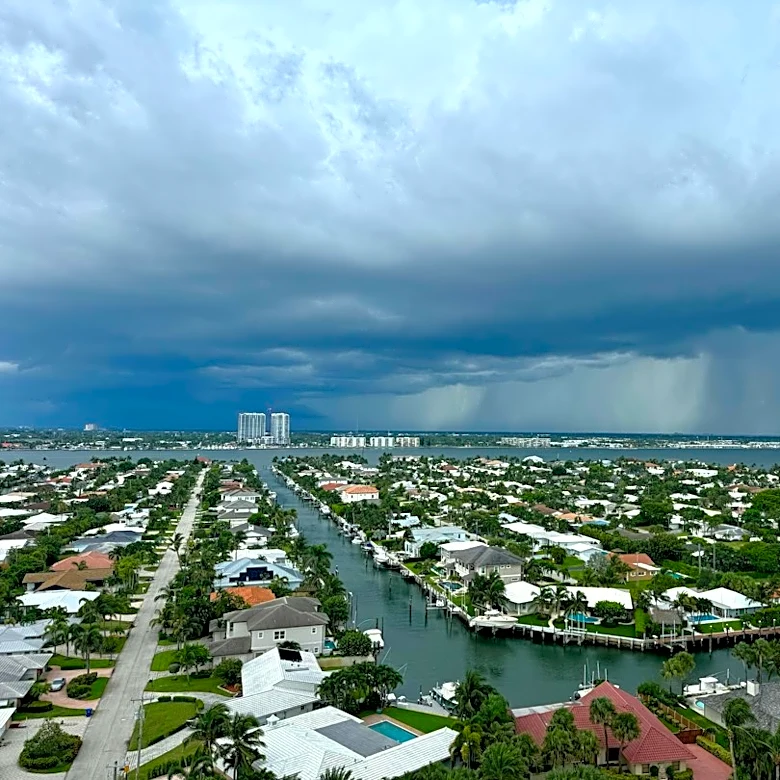
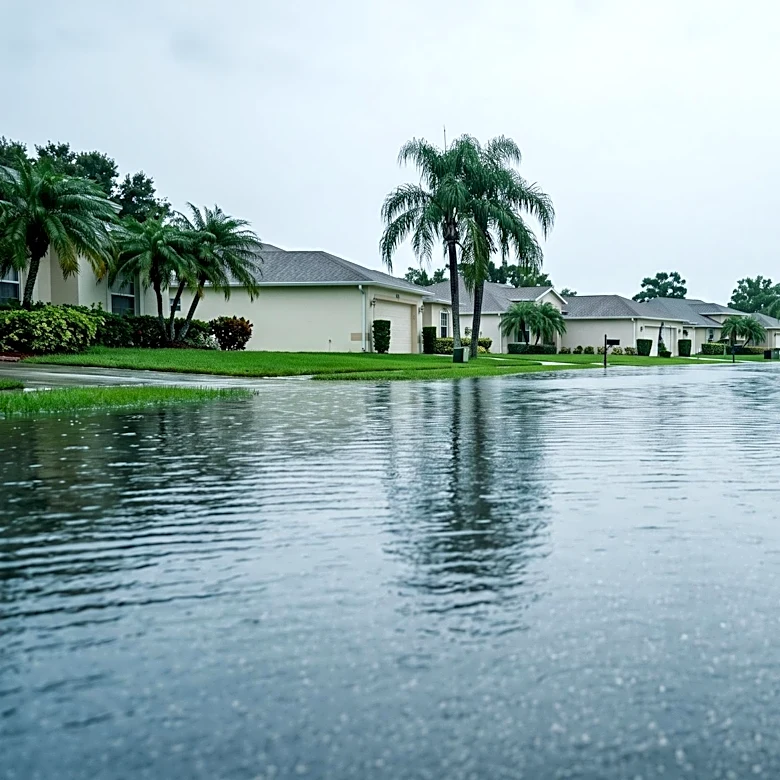
South Florida could get hammered by even more rain this week, on top of 11 inches recorded since Sept. 16. Most of South Florida can expect 1-2 inches of rain today, and some localized amounts could reachup to 6 inches through Sept. 28, according to the National Weather Service Miami on X.
In a worst-case scenario, some area along the east coast of South Florida could get 8 to 12 inches of rain along the east coast through Sept. 28.
Lows are expected to be in the low to mid 70s, although areas near Lake Okeechobee could see temps drop into the upper 60sthrough Sept. 28.
The cooler temps are expected to arrive in Southwest Florida Friday, Sept. 25.
"While afternoon high temperatures will only drop a couple of degrees, morning lows will be noticeably cooler, dropping into themid 60s to low 70s by the weekend," according to the National Weather Service Tampa Bay.
August was a hot, record-breaking month in Florida

Florida's average August temperature was 83.7 degrees, 2.6 degrees warmer than normal. That made the month the second-warmest in records dating back 132 years, according to theNational Centers for Environment Information.
➤ 12 Florida counties recorded hottest August of all time
The hottest August for Florida was in 2023, when the average temperature spiked to84.9 degrees.
Are days getting shorter?
Yes. Days started getting shorter after the summer solstice on June 21.
Days will start getting longer after the winter solstice Dec. 21.
How long are days right now in Florida?
There's a slight variation depending on where you are in the state, according totimeanddate. com.
On the fall equinox Sept. 22, the day will be 12 hours and 7 minutes long in Miami.
Compare to Tallahassee daylight hours, with 12 hours and 8 minutes on the equinox on Sept. 22.
➤ See length of daylight where you live
How many daylight hours will there be in Florida when winter begins?
On the winter solstice, Dec. 21, daylight hours will be:
- Miami: 10 hours, 31 minutes
- Tallahassee: 10 hours, 10 minutes
When do we change clocks back?
Unless the Senate approves the Sunshine Protection Act, and President Trump signs it into law, daylight saving time will end at 2 a.m. local time on Nov. 1 and we'll move our clocks back an hour to return to standard time.
Would permanent daylight saving time mean more or less sunshine in Florida?
Florida would see the same amount of daylight no matter whether daylight saving or standard time were made permanent.
The difference is when that daylight occurs.
➤ Florida sunrise, sunsets times under permanent daylight saving time
Permanent daylight saving time in Florida means darker mornings in fall and winter — with some winter sunrises not happening until after 8 a.m. — and more light in the evenings.
Summers would be as they are now, with bright mornings and long evenings, since daylight saving time starts the second Sunday in March.
➤ Standard time vs DST. See Florida sunrise, sunsets times for each
Permanent standard time in Florida would mean the sun would rise and set an hour earlier on the clock than it does now in the summer, so mornings would be brighter and evenings would get dark sooner.
In winter, mornings and evenings would stay as they are now since standard time starts the first Sunday in November.
What are the meteorological seasons?
For meteorologists, seasons are defined by the months with temperatures and weather often associated with each.
- Spring: March, April, May.
- Summer: June, July, August.
- Fall: September, October, November.
- Winter: December, January, February.
What are the 2026 astronomical seasons?
The Earth is tilted 23.5 degrees. That tilt and the sun’s alignment over the equator determine both the solstices and equinoxes. The dates vary slightly from year to year.
Solstices occur when Earth's tilt is at its maximum either toward or away from the sun, marking the winter and summer solstices.
Equinoxes occur halfway between the solstices, when the sun’s path is aligned with the equator.
So 2026 astronomical seasons are:
- Spring (vernal equinox): March 20
- Summer solstice: June 21
- Fall (autumnal equinox): Sept. 22
- Winter solstice: Dec. 21
Stay informed. Get weather alerts via text
Doris Alvarez is a Breaking and Trending Reporter for The Florida Times-Union. You can get all of Jacksonville’s best content directly in your inbox each weekday by signing up for the free Daily Briefing and News Alerts newsletters at jacksonville.com/newsletters
This article originally appeared on Florida Times-Union: Fall is here. But when will temperatures drop in Jacksonville?
Our editors independently choose our recommendations. Some content is produced with paid support from a third party, however our editorial decisions remain independent. If you buy through our links, the USA TODAY Network may earn a commission. Prices and availability may change.