
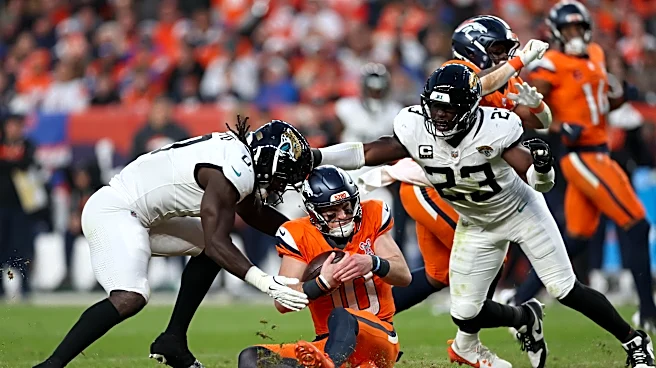
The Jacksonville Jaguars' 20-13 loss to the Denver Broncos on Sept. 20 at Empower Field at Mile High was, in a way, a death by a thousand cuts.
Well, hardly a thousand. But there were no highlight-reel plays, devastating in-game injuries, or one opposing player dominating the game that led to the Jags' first loss in their last 10 regular-season games.
Denver didn't rally from 19 points down in the final period, as Houston did last year. The Broncos didn't stage a 92-yard scoring drive late in the game to come from behind, as Cincinnati did last year. And they didn't blow the Jags out, as the Los Angeles Rams did last year.
What happened to the Jaguars in Denver was a series of events that individually weren't game-changing, but stacked on each
other, turned a 13-3 lead and a crowd that seemed to go pouty en masse into every NFL team's fear: Momentum, with the volume turned up to the max.
A lot of it came because the Jaguars didn't practice what coach Liam Coen preaches: Situational and complementary football.
Whether it was the special teams allowing good field position on two Denver scores, Trevor Lawrence's first interception in eight games when the offense was driving at midfield, or the Broncos running the ball effectively in the fourth quarter with their third-team back, a rookie drafted in the fourth round, Denver kept building on each sequence until it had the lead and was in the victory formation.

The good news is that it's only week two and the issues are fixable before the New England Patriots come to town on Sept. 27 at EverBank Stadium (CBS, 1 p.m.).
"I'm proud of the team in terms of the effort," Coen said during his post-game radio show. "I don't think we let our foot off the gas in terms of the way we were calling it, the way we were operating. We just got to find a way to make a play."
Brian Thomas Jr. drops
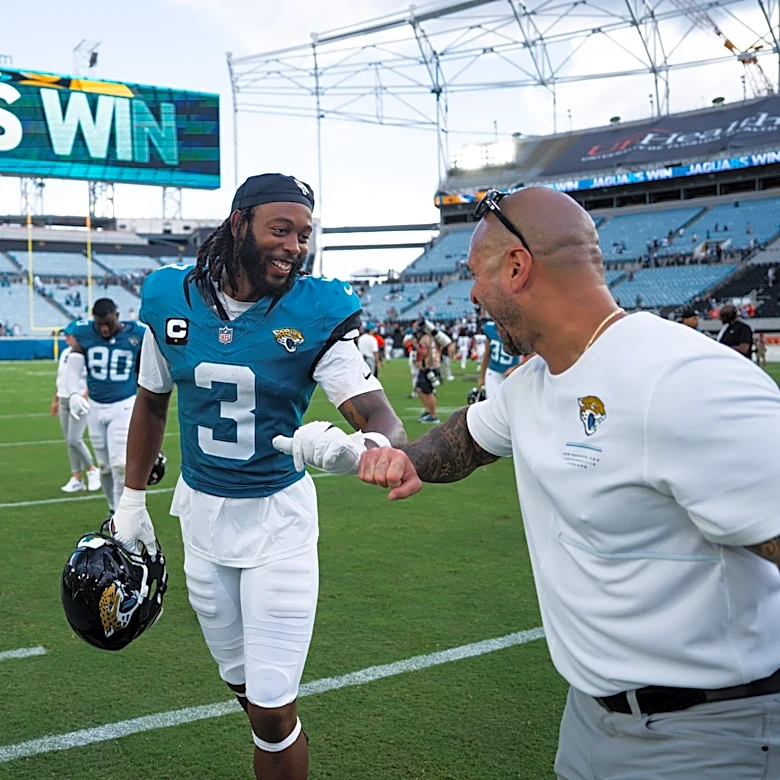
One of the things that stalled the offense was the return of the slippery substance on wide receiver Brian Thomas Jr.'shands. Thomas didn't drop sure touchdown passes in the end zone. There was plenty of time left in the game after the second drop.
But it wasn't a good sign for a player who battled ball security issues last season.
Thomas' first drop came on a first-down play from the Jaguars' 38, after Parker Washington returned a punt 12 yards. Had Thomas caught the ball, it would have been a gain of at least 6 yards and perhaps more.

The second drop came in the fourth quarter, one play after Lawrence and Jakobi Meyers connected on a 28-yard pass to the Broncos 38 after Denver had tied the game 13-13. If Thomas catches the ball, the Jaguars have a first down at the Denver 25.
Trevor Lawrence's interception
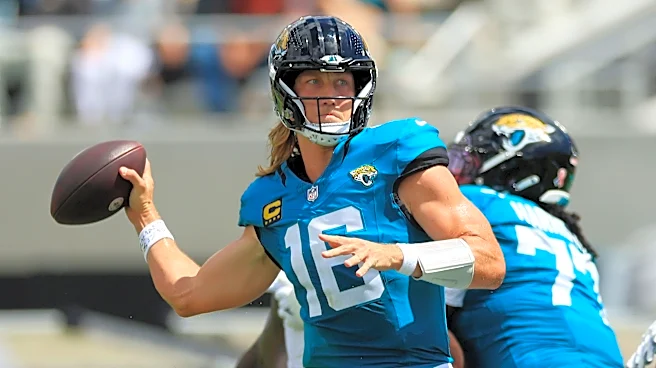
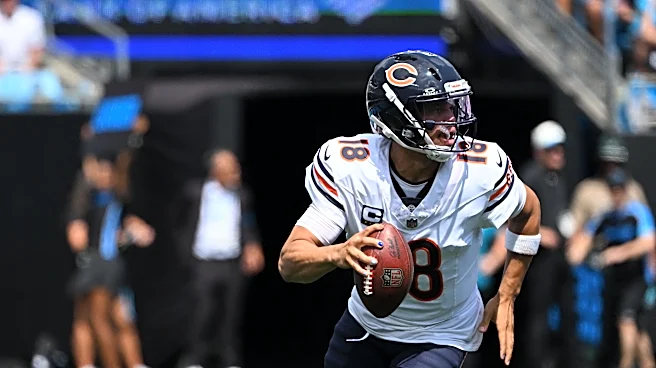
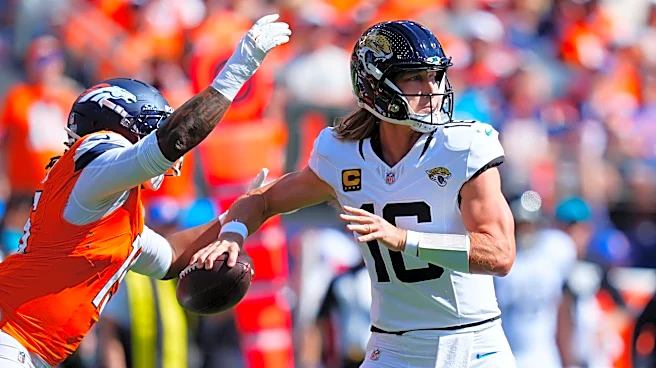
It was only one turnover, and it was Lawrence's second in eight games. But even having to punt in that situation woudl have been better.
With a 13-6 lead, the Jaguars had a third-and-six at midfield with the end of the third quarter winding down. Lawrence underthrew a pass to Washington (seven receptions, 98 yards), who was well-covered by Riley Moss, and failed to see Jakobi Meyers open over the middle on a crossing pattern.
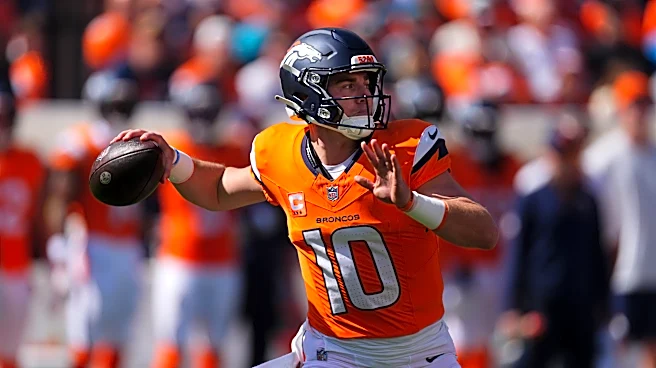
After taking possession, Bo Nix busted two chunk plays to tight end Nate Adkins and Jaylen Waddle and then tied the game on a 7-yard TD pass to Adkins.
Denver wins field position battle
Two Denver scores were the result of getting short fields.
The Jaguars took a 7-0 lead early in the second quarter on an efficient 72-yard drive in which Lawrence completed all four of his passes for 65 yards and Bhayshul Tutenscored on a 1-yard run on a direct snap.
But Tyler Badie returned the kickoff 38 yards to the Denver 40. The Broncos drove to the 1-yard line, failed to get in the end zone on three plays and settled for a Will Lutz field goal.
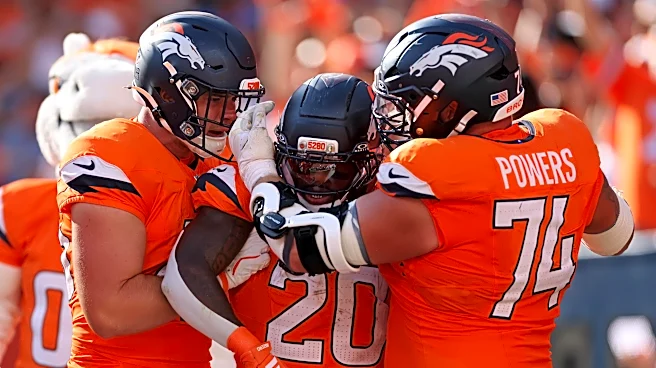
Denver then scored the winning touchdown with 7:21 left on Jonah Coleman's 3-yard run, a drive that began at the Broncos' 44 after Cam Little missed a 54-yard field-goal attempt. Cornerback Travis Hunter had a tough time on the possession, getting beat on a 17-yard completion to former Jaguar Evan Engram and then getting flagged for pass interference.
The latter play led to a flag on Coen for arguing too vehemently, or perhaps too colorfully in terms of his vocabulary. Coleman scored on the next play.
Jags don't get in the end zone
The Jaguars took the crowd completely out of the game while moving downfield to start the third quarter, and had first-and-goal at the 3.
Some of the Jags' old goal-line issues then resurfaced.
Chris Rodriguez was thrown for a 2-yard loss when the left side of the Jaguars' line caved in, Lawrence threw a pass to Tuten that resulted in no gain, and he then failed to see Brenton Strange open on the left and threw the ball over the middle to LeQuint Allen Jr., short of the goal line, with two Denver defenders there to keep him out of the end zone. The ball was jarred loose, and the Jags had to take the 23-yard Little field goal.
At the time, 13-3 seemed like a nice consolation prize. But 17-3, in retrospect, sounds better.
Rookie running back closes the game
Denver's starting running back, R.J. Harvey, was declared out before the game with a hamstring injury. His replacement, J.K. Dobbins, was little of a factor with 36 yards (15 on one play) before he was injured near the end of the third quarter on a 4-yard gain.

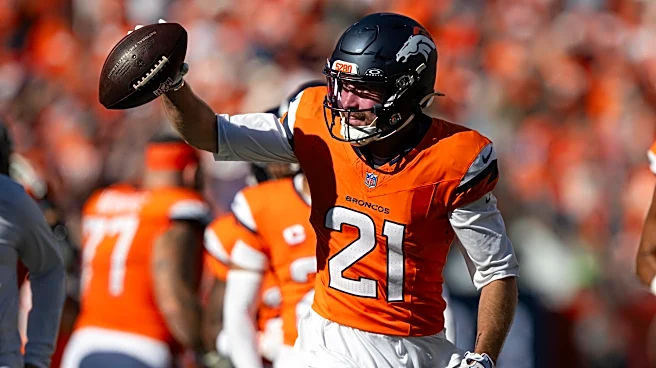
Left for the Broncos was Coleman, a rookie drafted in the fourth round who didn't get a carry in the opening game. But he scored the tie-breaking touchdown from 3 yards out, then gained 33 yards on Denver's final possession that ate up the final 4:41 of the game. Coleman broke off two 12-yard gains on the possession to pick up first downs, the last on second-and-11.
This article originally appeared on Florida Times-Union: Jaguars lose track of 'complementary football' in loss to Broncos